Crypto Regulations
When navigating Crypto Regulations, the worldwide set of rules that govern digital assets, exchanges, and related services. Also known as digital asset regulation, it decides who can launch a token, how an exchange must monitor trades, and what tax treatment applies. Crypto Regulations don’t exist in a vacuum – they intersect with Privacy Coins, tokens that hide transaction details to protect user anonymity, the compliance demands placed on Crypto Exchanges, platforms that match buyers and sellers of digital assets, and the jurisdictional strategies of places like Malta, an EU member that markets itself as a blockchain island with favorable tax and licensing rules. In short, Crypto Regulations encompass privacy‑coin delistings, require exchange compliance, and are influenced by Malta’s regulatory framework.
Key Areas to Watch
First, privacy‑coin delistings are a direct outcome of stricter anti‑money‑laundering (AML) standards, especially the FATF’s guidance on anonymous tokens. When an exchange removes a coin like Monero, it’s not just a business decision—it signals how regulators are tightening the definition of “acceptable risk.” Second, enforcement actions against exchanges illustrate how agencies such as the DOJ, SEC, and FINRA are using fines and lawsuits to enforce AML, KYC, and investor‑protection rules. These cases set precedents that shape future compliance roadmaps for every platform handling crypto. Third, Malta’s Blockchain Island approach shows how a clear, supportive regulatory regime can attract crypto businesses, offering tax perks, residency options, and a fast‑track licensing process that other jurisdictions are trying to emulate.
Below you’ll find a curated set of articles that dig into each of these topics. Whether you want to understand why privacy coins are disappearing from major platforms, learn the latest details of exchange fines, or explore how Malta’s strategy could be a model for the next crypto hub, the posts provide practical insights and actionable steps.
Ready to see the specifics? Scroll down to explore the full collection of analyses, case studies, and guides that break down the ever‑evolving world of Crypto Regulations.
Algeria has fully banned cryptocurrency under Law No. 25-10. Learn about the legal risks, penalties, and underground methods Algerians use to access crypto markets.
Learn how OFAC cryptocurrency sanctions work in 2026. We cover strict liability rules, mandatory wallet screening tools, real-world penalties, and practical steps to build a compliant program.
Discover how the UAE offers 0% personal income tax on crypto gains for residents. Learn about residency rules, CARF reporting changes, and how to optimize your tax strategy in 2026.
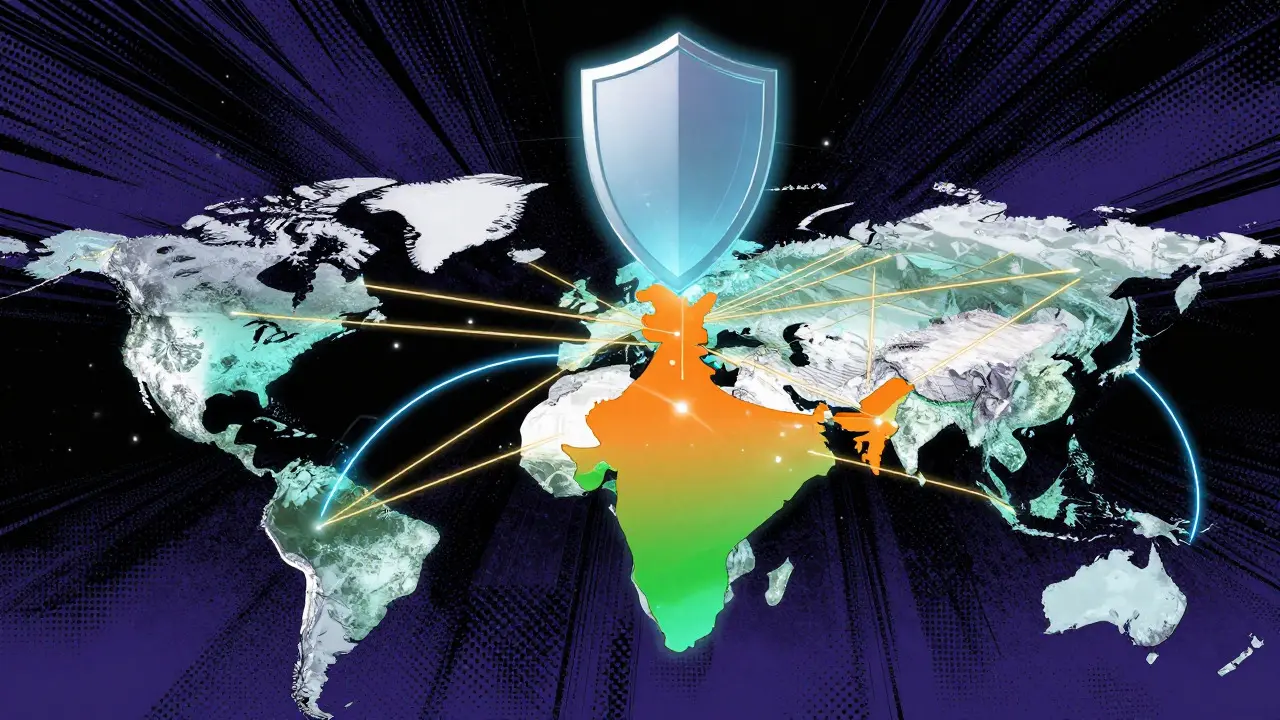
India adopts the OECD Crypto-Asset Reporting Framework (CARF) starting April 2027. Learn how offshore crypto holdings will be tracked, what data is reported, and steps to prepare for full tax compliance.
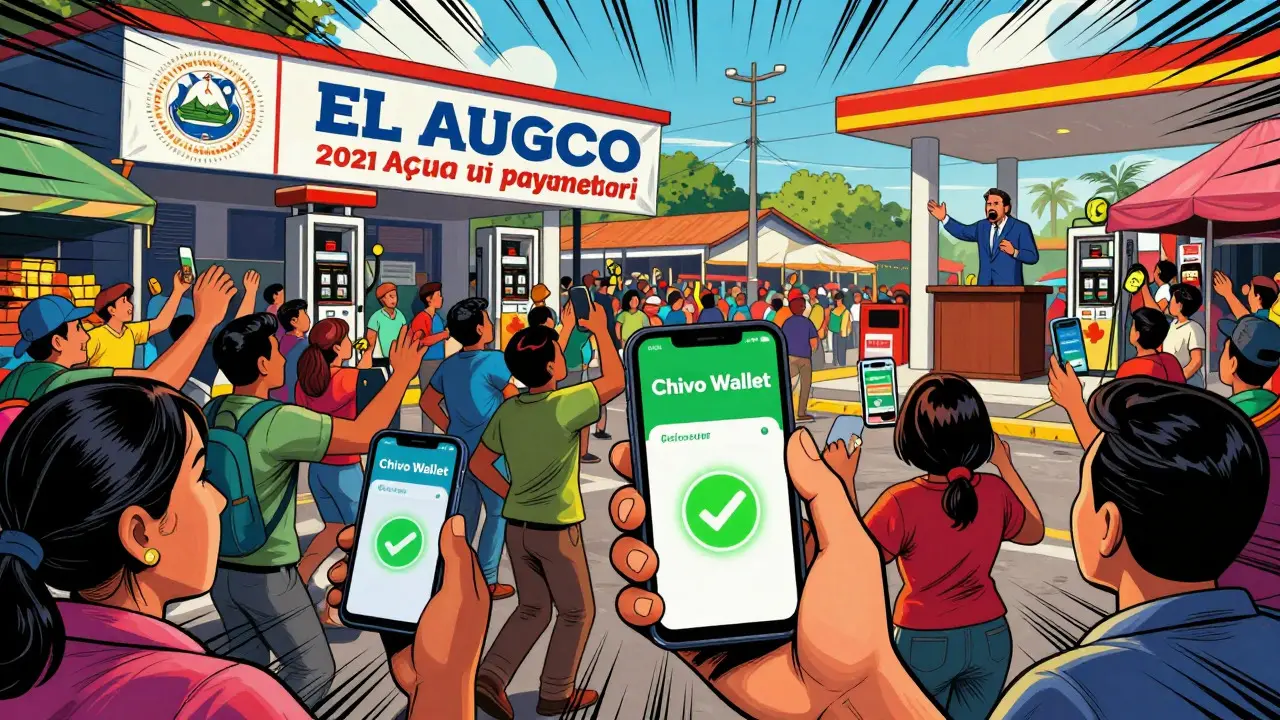
El Salvador's Bitcoin legal tender experiment ended in 2025 due to IMF pressure. Learn how the law changed, why adoption failed, and the current status of crypto in the country.
Explore the complex reality of crypto payments in Iran in 2026. Learn about CBI regulations, the legality of mining, the Digital Rial, and how sanctions shape the market.
Discover why banks freeze crypto accounts in 2026. Learn about the GENIUS Act, KYT monitoring, and how to protect your funds from unexpected restrictions.
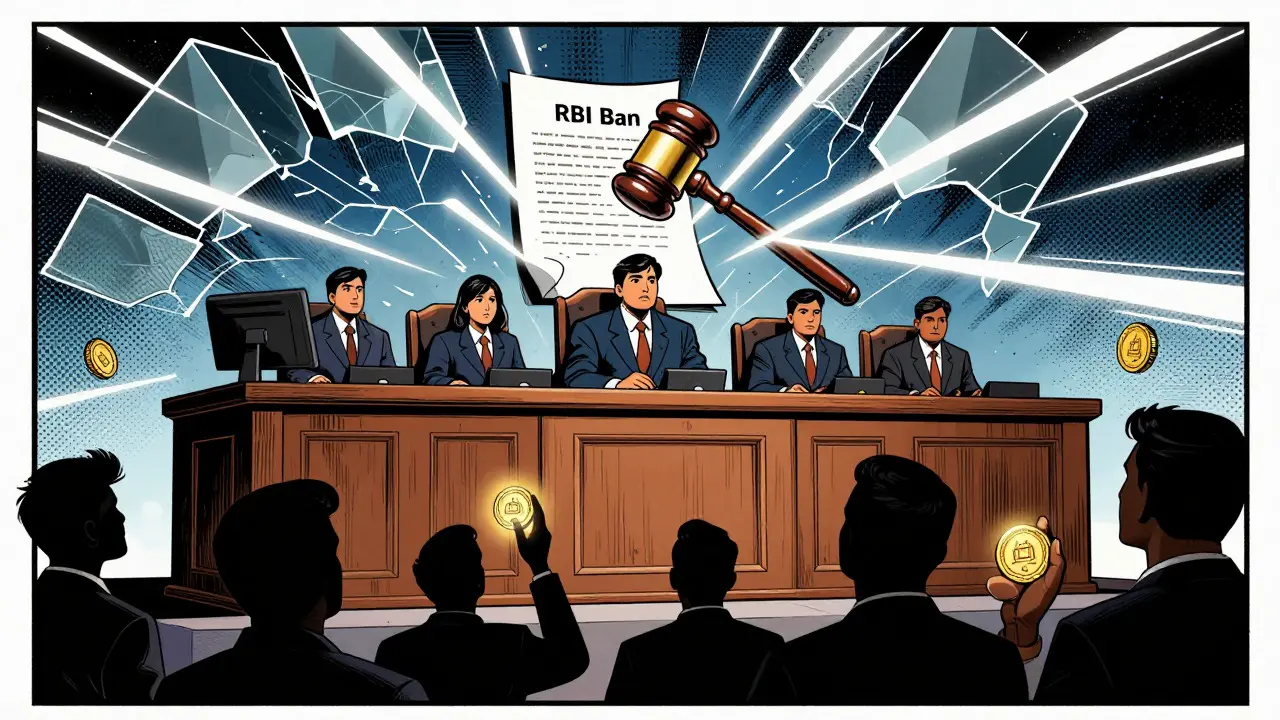
Explore the Supreme Court of India's landmark crypto rulings, from the 2020 overturning of the RBI ban to the 2025 push for regulation. Understand the legal status, 30% tax impact, and what this means for investors.
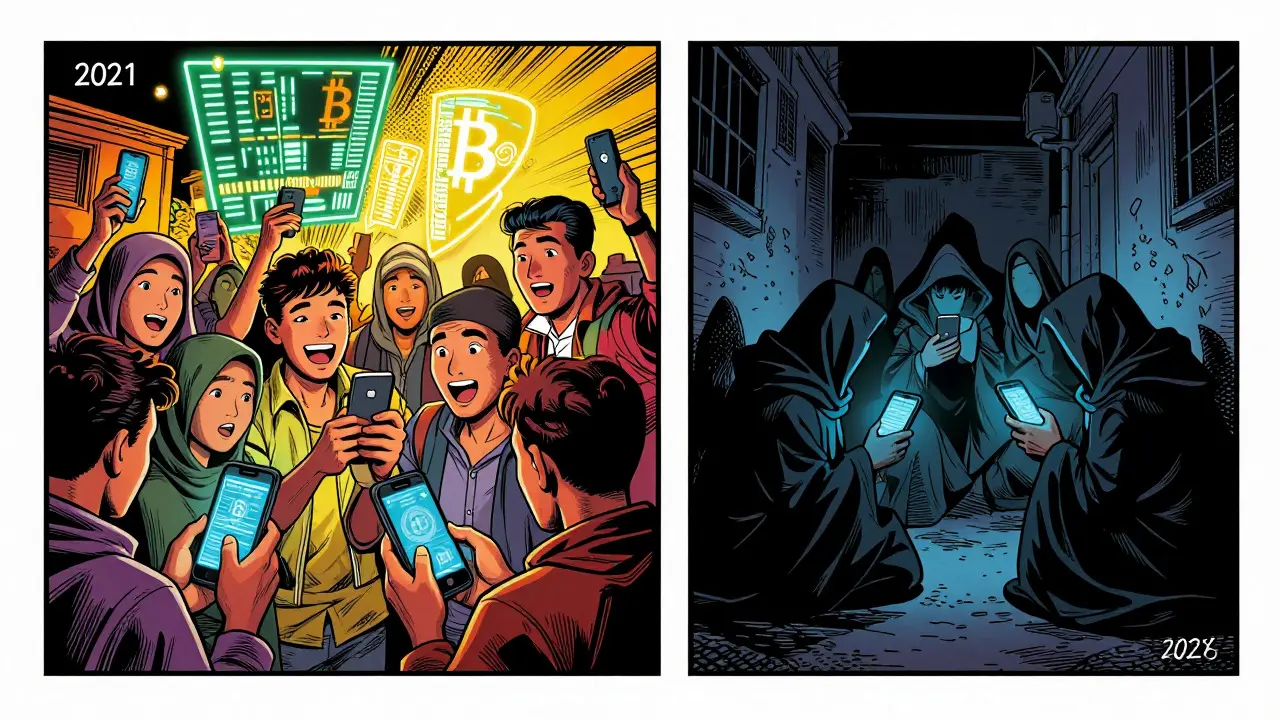
Explore how Afghanistan's 2022 Taliban crypto ban works today. Despite strict Sharia-based prohibitions, underground P2P trading thrives as a survival tool for citizens facing economic isolation.
Explore the reality of the National Bank of Cambodia's crypto regulations. From the 2024 exchange blockade to the 2025 Prakas rules, discover how Cambodia manages Bitcoin, Bakong, and licensed exchanges.
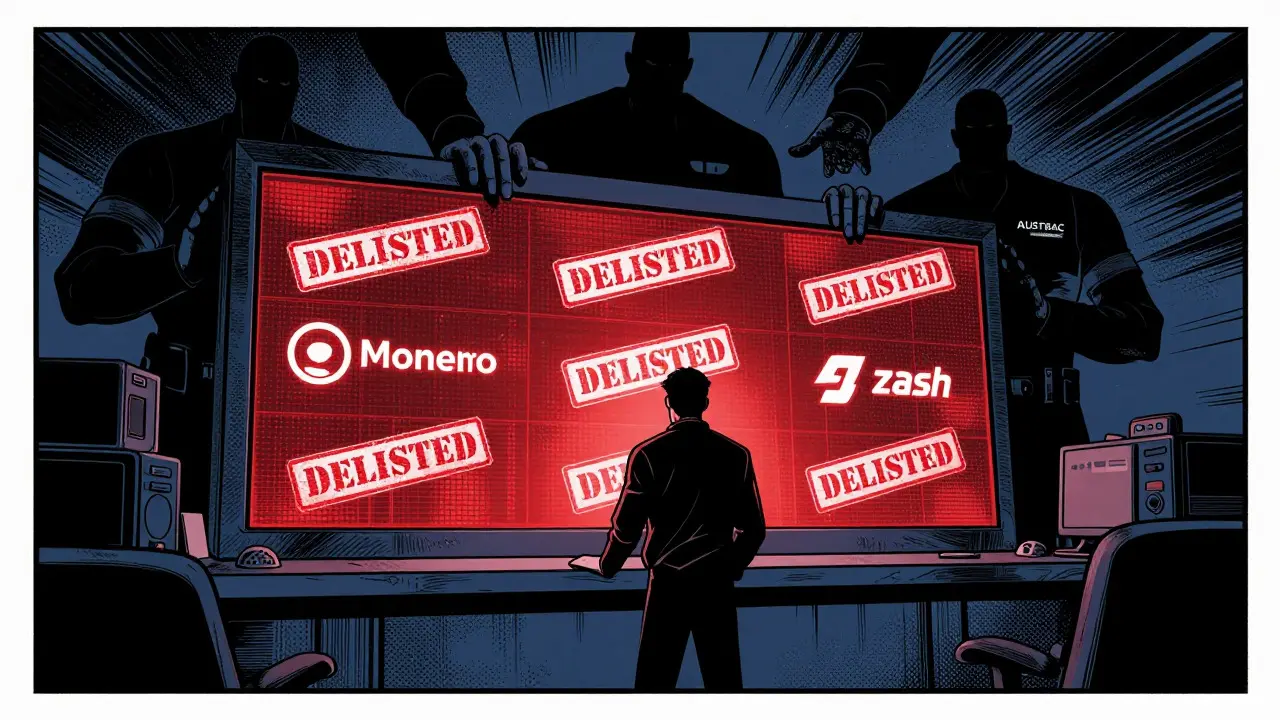
Australian crypto exchanges have effectively banned privacy coins like Monero and Zcash due to AUSTRAC's strict AML regulations. Learn how this impacts traders and what alternatives exist in 2026.
Navigating Taiwan's crypto banking restrictions in 2026? Learn about the 2025 VASP mandates, the FSC's role, and how traders use P2P workarounds to trade legally.