Category: Crypto Regulations - Page 2
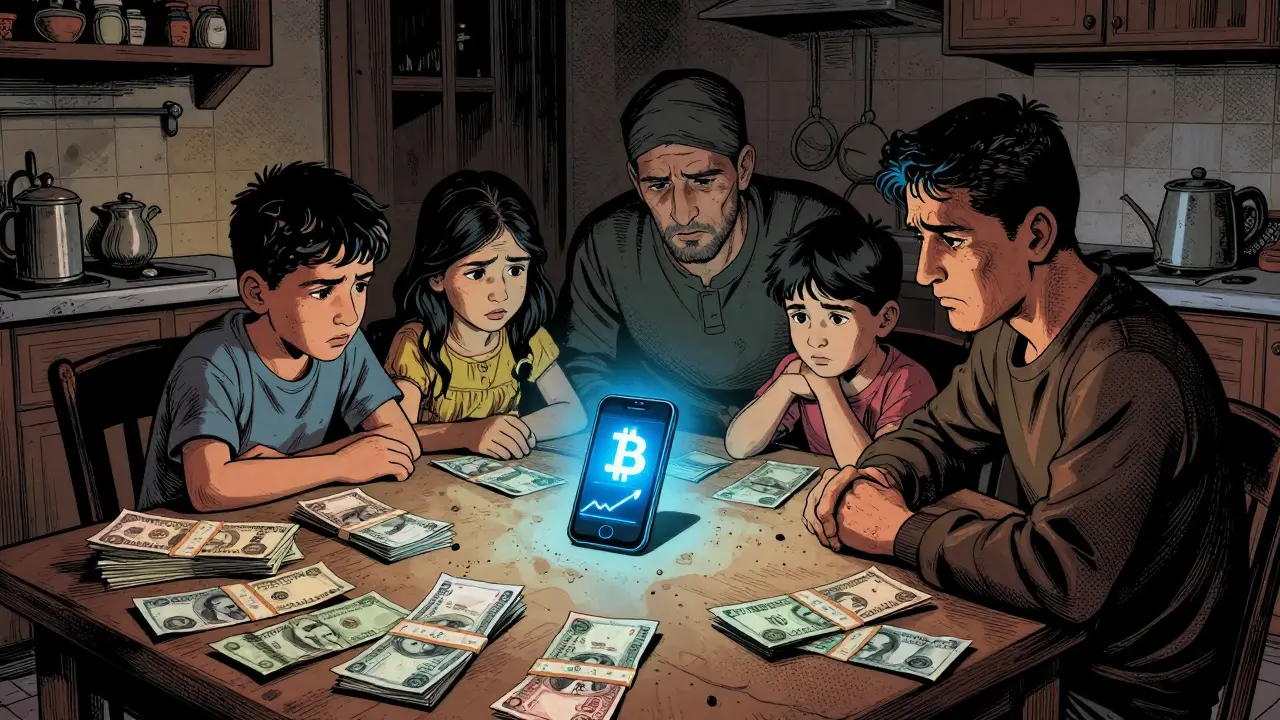
In 2024, $4.18 billion in crypto left Iran, a 70% jump driven by citizens fleeing hyperinflation and sanctions. Chainalysis data reveals this is largely retail capital flight, not state crime.
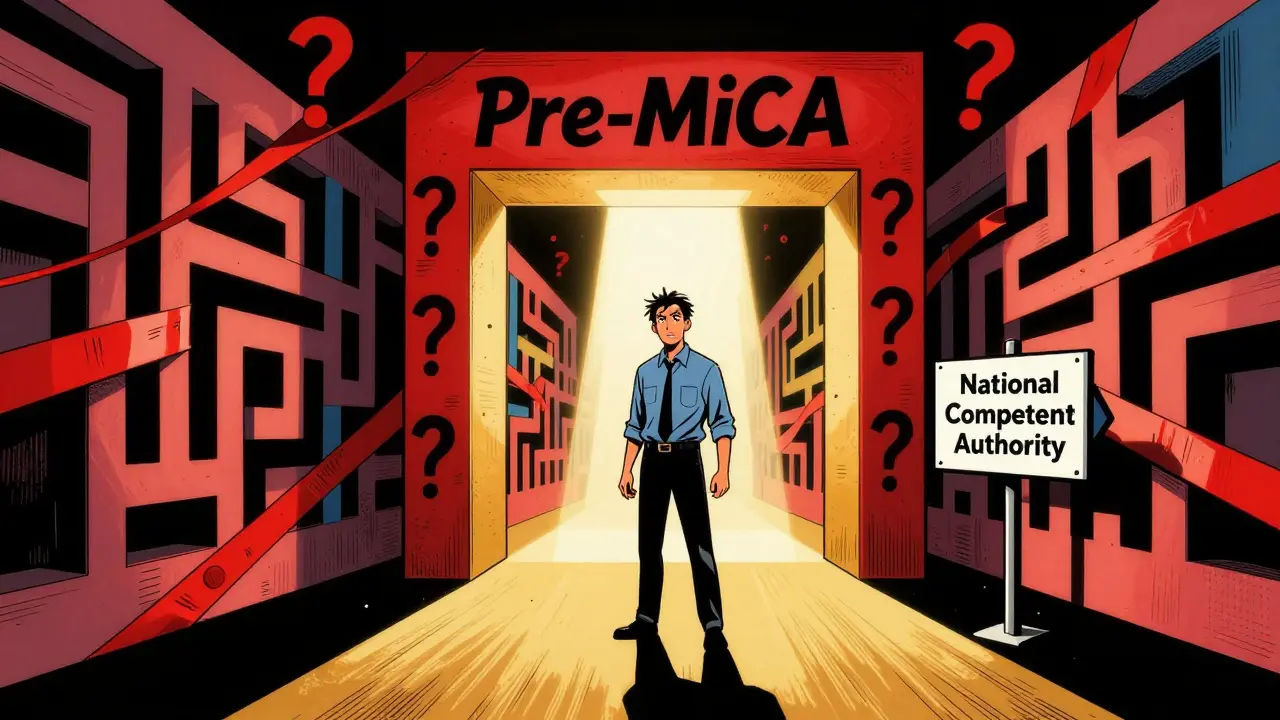
Identify the National Competent Authorities (NCAs) for crypto in the EU under MiCA. Learn which regulators like BaFin and AMF issue licenses, compare processing speeds, and understand the shift toward centralized ESMA supervision.
Thailand banned foreign P2P crypto platforms like Bybit and OKX in 2025. Learn why the SEC cracked down, which exchanges are blocked, and how to trade legally in 2026.
Discover how Turkish citizens navigate the 2021 crypto payment ban through licensed exchanges, P2P networks, and technical workarounds like VPNs and DeFi wallets.
Navigate Cyprus crypto banking restrictions in 2026. Learn how MiCA, CySEC licensing, and the Travel Rule impact your transactions and how to stay compliant.
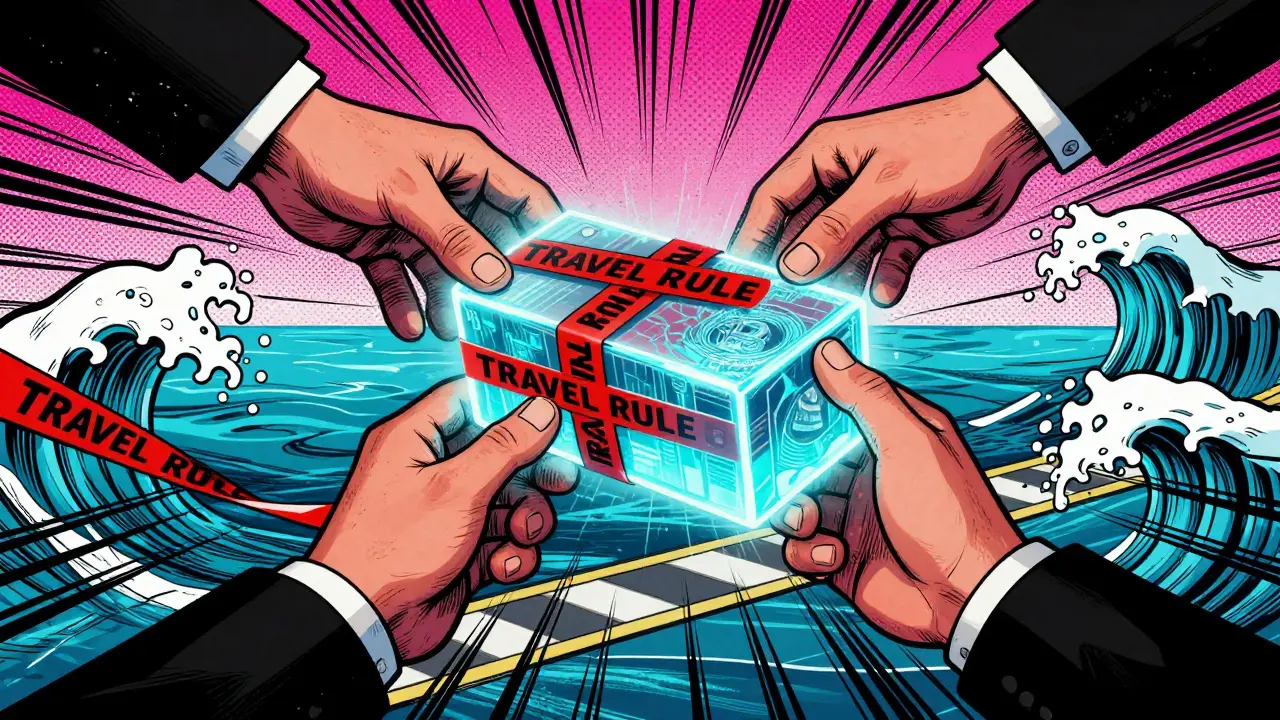
Explore how global authorities monitor cross-border crypto transactions in 2026. Learn about the Travel Rule, FATF standards, MiCA, and the UK-US Transatlantic Task Force shaping the future of digital asset compliance.
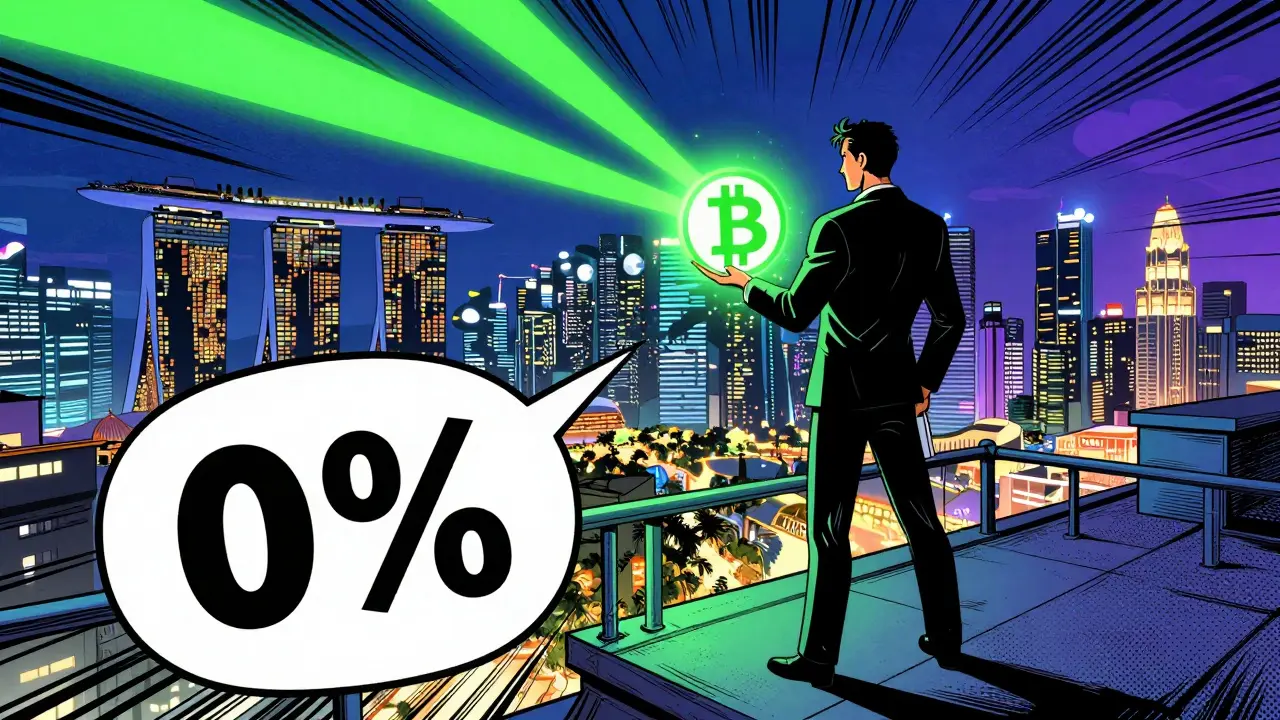
Discover why Singapore imposes no capital gains tax on crypto for individuals in 2026. Learn the difference between investing and trading, MAS regulations, and how to stay compliant.
China maintains a total ban on cryptocurrencies in 2026. Learn about the illegal status of Bitcoin, mining, and trading, and how the digital yuan replaces private assets.
USDT faces a trading ban in the EU on July 1, 2025, under MiCA regulation due to non-compliance. Learn why Tether failed, how exchanges are reacting, and what steps you should take to protect your assets.
Understand Portugal's 28% short-term crypto tax, the 365-day exemption rule, and how to file correctly in 2026. Learn when to use Anexo G vs. progressive rates.
Explore Japan's strict crypto consumer protection rules, including the 95% cold storage mandate, 2025 Payment Services Act updates, and FSA regulations designed to safeguard your digital assets.
Explore how citizens in sanctioned countries like Iran and Russia bypass crypto restrictions using P2P trading, DEXs, and successor platforms amid tightening OFAC enforcement.