There are hundreds of crypto exchanges out there, but only a handful you can trust. If you're considering btcShark as your next trading platform, stop. Right now. The warnings aren't just rumors-they're documented, repeated, and backed by user experiences that match the classic pattern of crypto scams.
What You Won't Be Told About btcShark
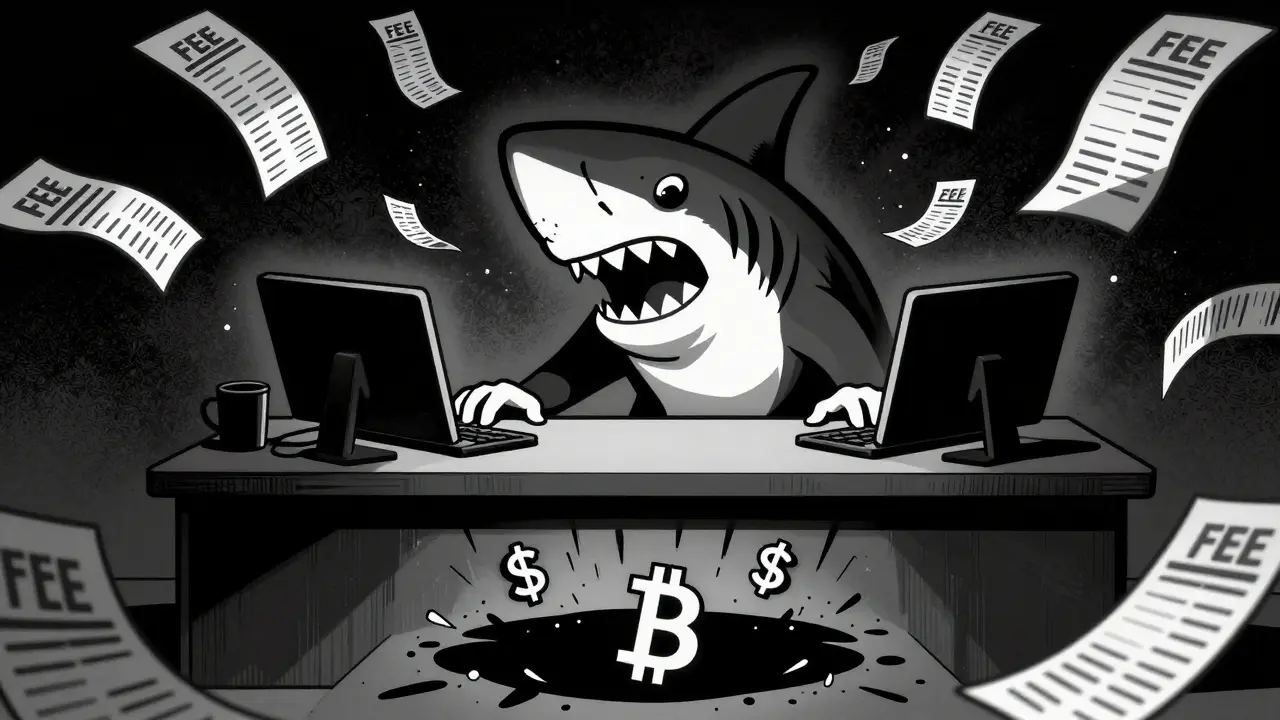
Most crypto exchanges make money through transparent trading fees. Binance, Kraken, Coinbase-they all list their fees upfront. btcShark doesn't. Users on Wikibit and other forums describe transaction costs as "problematic" and "hidden," with no clear breakdown of what you're paying when you deposit, trade, or withdraw. That’s not just bad practice-it’s a red flag. Legitimate platforms don’t hide their fees because they know trust comes from transparency. Scammers hide them because they want you to lose money without realizing it until it’s too late.Extreme Volatility? Or a Trap?
One user wrote that btcShark’s price swings can "leave you penniless in the blink of an eye." That sounds dramatic, but it’s not unusual for fake exchanges. Real crypto markets are volatile, yes-but they’re also predictable in their patterns. Bitcoin might drop 10% in a day, but it doesn’t vanish from your wallet because the platform manipulated the price feed. With btcShark, there’s no way to verify if the prices you see are real or fabricated. That’s how scams work: they show you fake gains to lure you in, then suddenly crash the value when you try to cash out.No Security. No Accountability.
Reputable exchanges use cold storage for 95%+ of user funds. They require two-factor authentication. They audit their systems. They comply with KYC and AML rules. None of that is visible for btcShark. No public information. No licensing details. No security whitepaper. No customer support team you can actually reach. If something goes wrong-your account gets hacked, your funds disappear, or the site shuts down-you have zero recourse. Unlike banks, crypto isn’t insured. The government won’t step in. And if btcShark is a shell company, you won’t even know who to sue.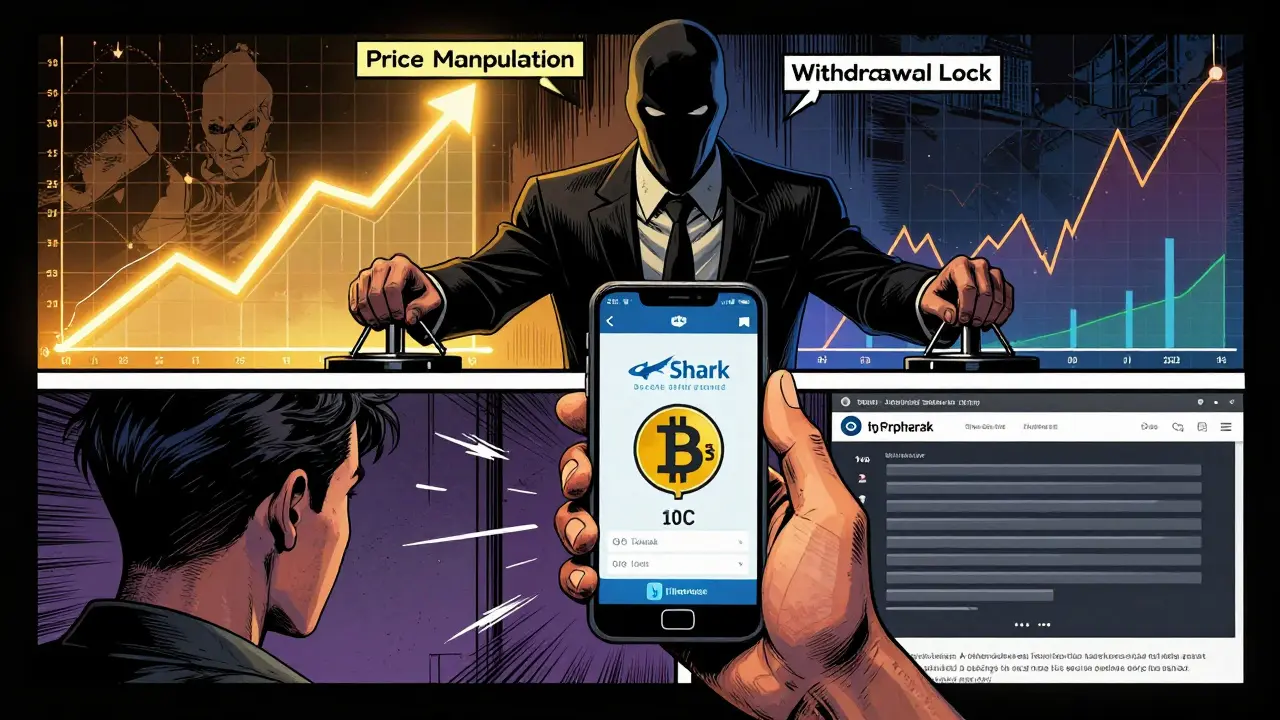
The Scam Playbook Matches Perfectly
The Commodity Futures Trading Commission (CFTC) lists common signs of crypto scams: promises of 50%, 100%, or even 200% returns based on how much you deposit. While btcShark doesn’t loudly advertise these numbers, its entire model relies on the same psychology. It creates the illusion of profit through manipulated prices, then locks you in with confusing withdrawal limits or sudden "maintenance fees." Once you try to withdraw, you’re told your account needs verification, or your transaction is "under review," or your funds are being held for "compliance reasons." Sound familiar? That’s the script. And it’s been used by dozens of platforms that vanished overnight.Why People Still Fall for It
It’s not because users are stupid. It’s because the interface looks professional. The website has sleek design, clean graphics, and fake testimonials. The name "btcShark" sounds authoritative-like it’s some elite, shark-like trading machine. But looks don’t equal legitimacy. Instagram influencers, YouTube ads, and Telegram groups often promote these platforms with paid shoutouts. They’re not warning you-they’re getting paid to send you in. And by the time you realize you’ve been tricked, your crypto is gone, and the site is offline.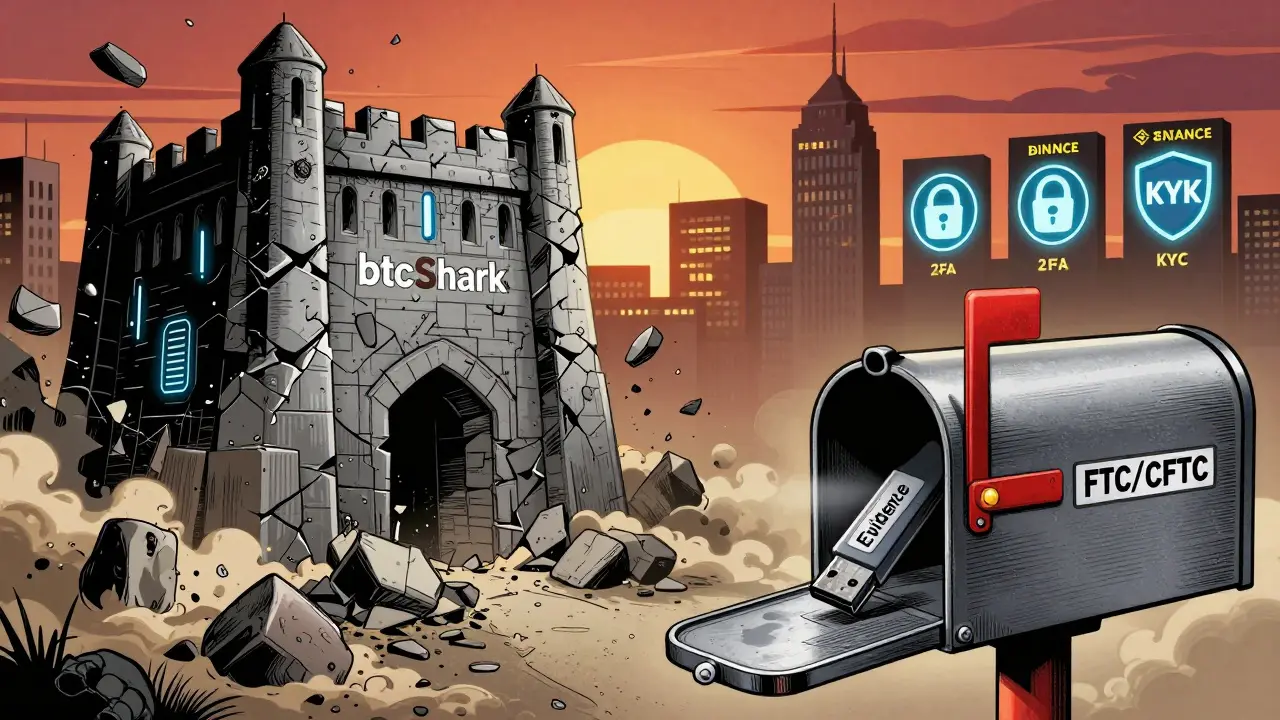
What You Should Do Instead
If you want to trade crypto safely, stick with exchanges that have been around for years, are regulated in multiple jurisdictions, and have millions of active users. Binance, Kraken, Coinbase, and Bitstamp all publish their security practices, regulatory licenses, and fee schedules openly. They also have responsive customer support teams that answer emails and live chats within hours, not days. They’ve survived market crashes, hacks, and regulatory scrutiny because they operate honestly. btcShark hasn’t survived anything except a few months of fake hype.Real Stories, Real Losses
One user from Australia reported depositing 0.5 BTC into btcShark in November 2025. After a week of seeing their balance grow, they tried to withdraw. The platform asked for an additional 0.02 BTC as a "withdrawal security fee." They paid it. Then they were told their account needed a "compliance upgrade," requiring another 0.03 BTC. When they refused, their entire balance vanished. No response from support. No refund. No trace. That’s not a glitch. That’s how the scam works. And it’s happening right now to people who think they’re getting in early.Final Warning: Crypto Is Already Risky Enough
You don’t need to add a fake exchange to the list of dangers. Crypto prices swing. Wallets get hacked. Private keys get lost. That’s enough risk without deliberately choosing a platform that’s designed to steal your money. btcShark doesn’t offer anything real-no unique features, no lower fees, no better liquidity. All it offers is the illusion of profit and the reality of loss.If you’ve already used btcShark and can’t withdraw, document everything-screenshots, transaction IDs, support chats. Report it to your local financial authority. In New Zealand, that’s the Financial Markets Authority. In the U.S., file a complaint with the FTC or CFTC. There’s little chance of recovery, but reporting helps others avoid the same trap.
There’s no shortcut to safe crypto trading. No secret platform that makes you rich overnight. Just patience, research, and sticking to the names that have proven they’re here to stay.
Is btcShark a legitimate crypto exchange?
No, btcShark is not a legitimate crypto exchange. There is no verifiable evidence it operates under any regulatory license, uses standard security practices like cold storage or two-factor authentication, or discloses its fee structure transparently. User reports consistently describe hidden fees, inability to withdraw funds, and manipulated price data-all classic signs of a scam platform.
Why do people say btcShark leaves you penniless?
Users report that btcShark artificially inflates the value of their holdings to create false profits. When they try to withdraw, the platform either blocks the request, demands additional payments under false pretenses, or suddenly crashes the asset prices. This makes it appear as if their balance vanished overnight. In reality, the platform was never real-just a digital illusion designed to steal deposits.
Can I get my money back from btcShark?
Recovering funds from btcShark is extremely unlikely. Crypto transactions are irreversible, and the platform shows no signs of being a registered business. Once funds are sent to btcShark, they’re typically moved to untraceable wallets. Reporting the scam to authorities like the FTC or CFTC may help prevent others from being victimized, but there is no known process to reclaim lost crypto from this platform.
What are the warning signs of a crypto scam exchange?
Warning signs include: no clear fee schedule, pressure to deposit more funds, promises of unusually high returns, difficulty withdrawing money, lack of customer support, no regulatory licensing, and no public information about security practices. If the platform’s website looks too polished to be real, or if you found it through a social media ad, those are major red flags.
What are safer alternatives to btcShark?
Stick with well-established exchanges like Binance, Kraken, Coinbase, or Bitstamp. These platforms are regulated in multiple countries, publish their security protocols, offer transparent fees, and have years of track records. They also have responsive customer support and allow you to withdraw your funds without hidden conditions. Avoid any exchange you haven’t heard of unless you’ve verified its licensing and user history independently.
Does btcShark have a mobile app?
Yes, btcShark has a mobile app available on third-party sites and unofficial app stores. But this is another red flag. Legitimate exchanges distribute their apps only through the Apple App Store and Google Play Store. An app downloaded from a random website or Telegram link is likely malware or a phishing tool designed to steal your login credentials or private keys.
Has btcShark ever been investigated by regulators?
As of early 2026, there are no public records of btcShark being licensed or regulated by any financial authority. It does not appear on the lists of approved exchanges from the U.S. CFTC, the UK FCA, or New Zealand’s FMA. Its absence from official registries confirms it operates outside the legal framework that protects users.