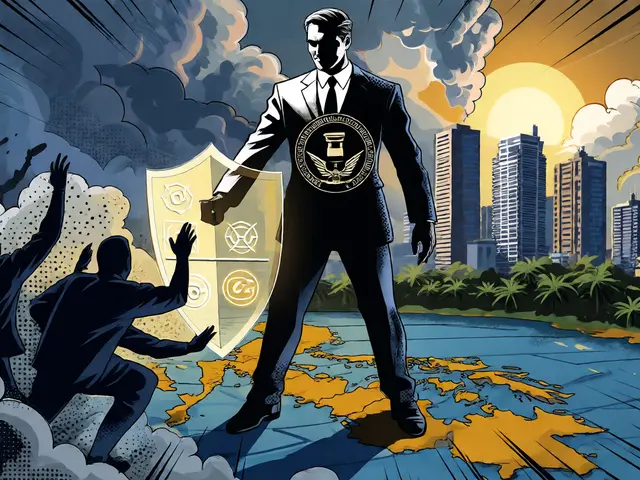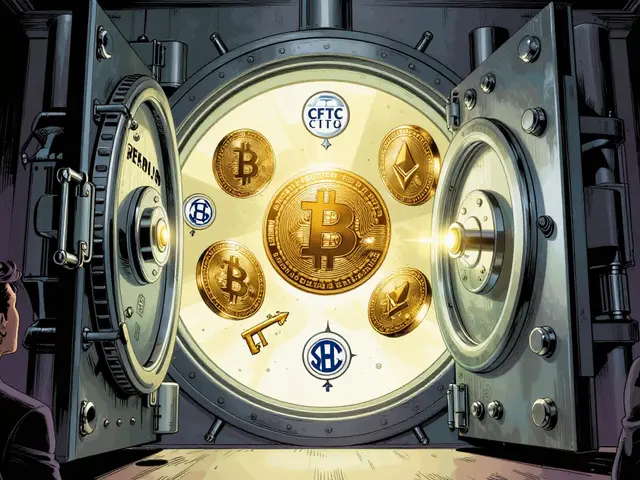
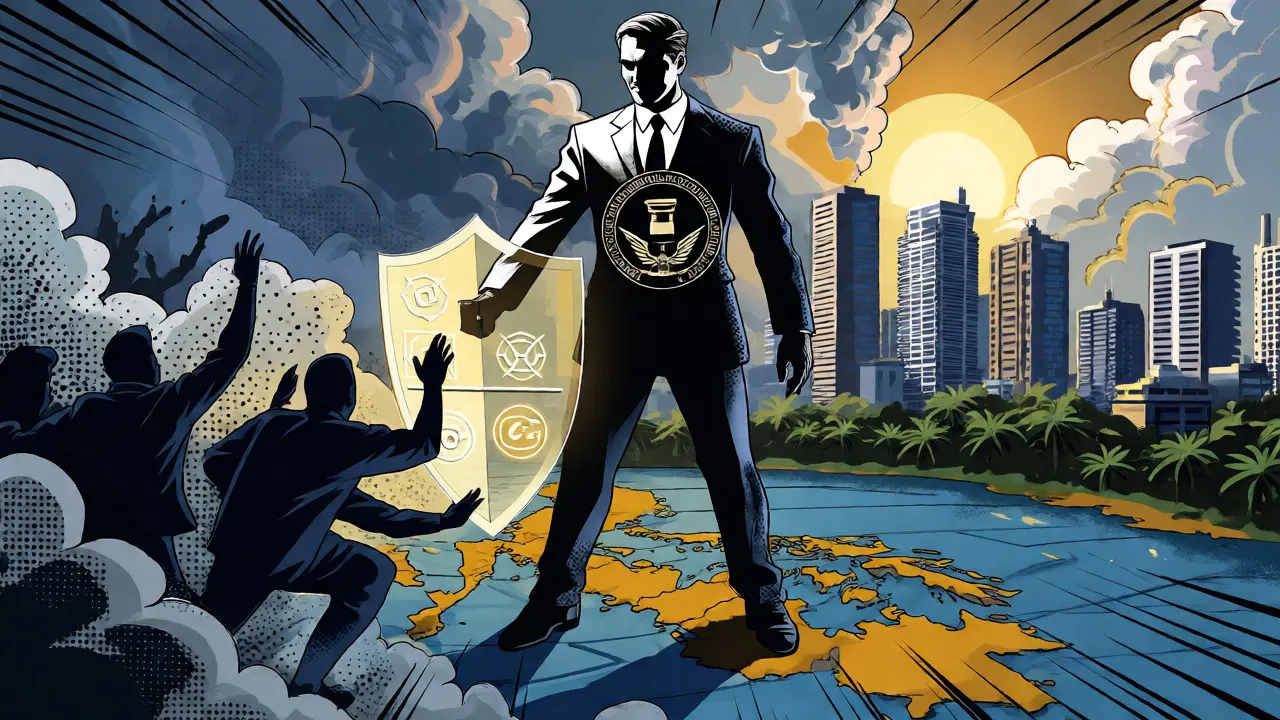
Imagine trying to trade Bitcoin on a platform that suddenly vanishes with your funds because it wasn't even registered to operate in your country. That was the reality for many Filipino crypto users until recently. The Securities and Exchange Commission (SEC) of the Philippines has fundamentally changed the game. They didn't just tweak the rules; they built a comprehensive regulatory fortress around cryptocurrency trading.
If you are running a crypto business or just want to know why some exchanges work and others get blocked, understanding these new rules is non-negotiable. This isn't about banning crypto. It's about making sure the platforms handling your money actually have skin in the game. Here is exactly what Crypto Asset Service Providers (CASP) need to do to stay legal in the Philippines as of late 2026.
The New Regulatory Landscape
The shift happened fast. On May 30, 2025, the SEC issued Memorandum Circulars No. 04 and No. 05. These documents laid out the most detailed crypto framework in Southeast Asia. Enforcement kicked in on July 5, 2025. Before this, international exchanges could operate in a gray area, serving Filipino users without local accountability. That era is over.
The goal here is investor protection. The SEC wants to prevent fraud, fund losses, and money laundering. They aren't stopping you from buying crypto. They are stopping unlicensed companies from selling it to you without proper oversight. If you're an operator, the message is clear: register or leave.
Who Needs a License?
Not everyone needs a full CASP license, but if you touch crypto assets in a service capacity, you likely do. The definition of a Crypto Asset Service Provider is broad. It includes any entity that offers services related to crypto-assets to the public.
- Exchanges: Platforms where users buy, sell, or trade crypto.
- Wallet Services: Custodial wallet providers who hold keys for users.
- Lending Platforms: Companies offering yield or loans against crypto collateral.
- Broker-Dealers: Firms facilitating trades between buyers and sellers.
If you are targeting Filipino users, you must comply. It doesn't matter if your servers are in Singapore or your headquarters are in Dubai. If you market to the Philippines, you fall under SEC jurisdiction.
Key Licensing Requirements
Getting a license isn't just filling out a form. It involves substantial financial and operational commitments. The SEC set high barriers to entry to ensure only serious players remain in the market.
| Requirement Category | Specific Mandate | Rationale |
|---|---|---|
| Legal Structure | Must be a domestic corporation registered with the SEC. | Ensures local legal liability and enforceability. |
| Paid-Up Capital | Minimum PHP 100 million (approx. $1.8 million USD). | Prevents undercapitalized firms from collapsing. |
| Physical Presence | Mandatory physical office in the Philippines. | Facilitates audits and consumer complaints handling. |
| Fund Segregation | Customer funds must be separate from company assets. | Protects user funds during insolvency. |
| AML/KYC Systems | Robust Anti-Money Laundering and Know Your Customer protocols. | Compliance with Philippine AML laws and global standards. |
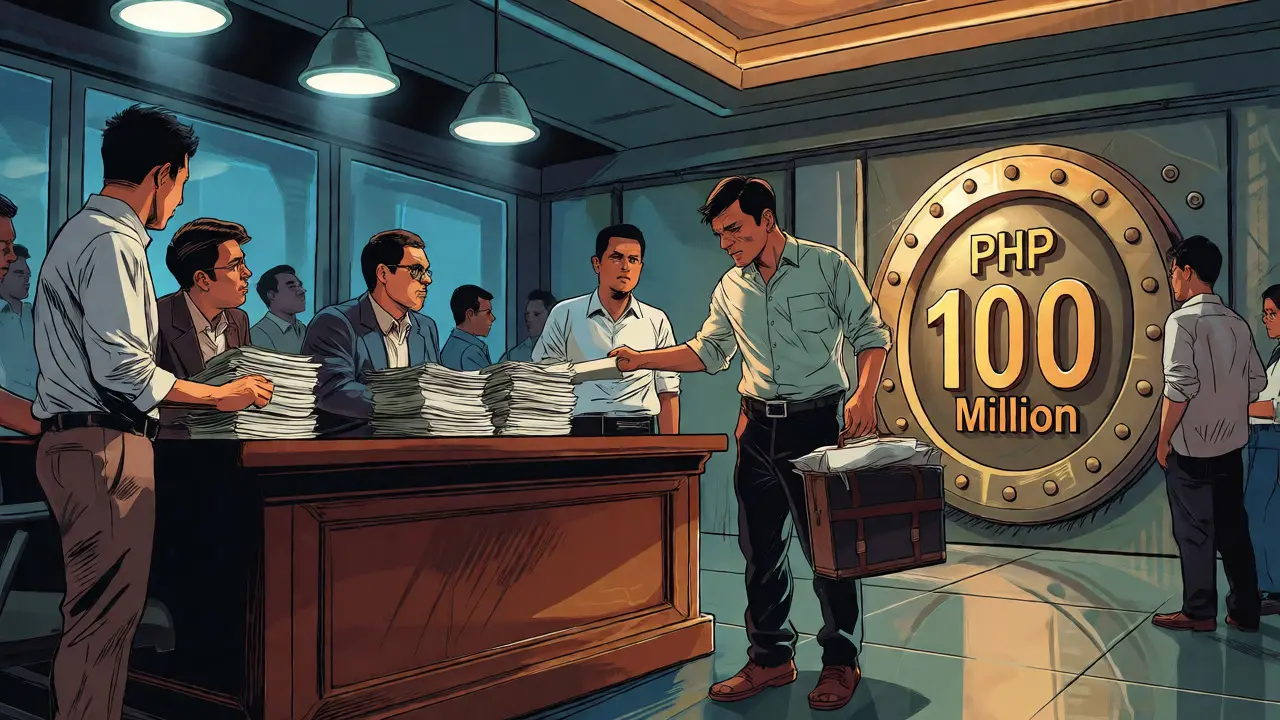
The PHP 100 million capital requirement is the biggest hurdle for smaller startups. This amount excludes crypto assets held in custody. You need real cash reserves. Why? Because when the market crashes, you don't want an exchange running out of liquidity while holding your Bitcoin.
The Application Process via PhiliFintech
You don't go to the main SEC building with a shoebox of papers. Applications go through the PhiliFintech Innovation Office. This specialized unit handles fintech regulation and supervision.
The process starts at least 30 days before you plan to launch operations. You submit extensive documentation. This includes your business rules, risk control mechanisms, and disclosure plans. The SEC reviews these to ensure you aren't hiding risky practices behind flashy marketing.
Once approved, you aren't done. You enter a phase of continuous supervision. Monthly financial reports are mandatory. You also pay registration and supervision fees based on your gross revenue. The more you earn, the more you pay. This creates a direct link between your success and your contribution to the regulatory body.
Marketing and Disclosure Rules
Remember those ads promising "guaranteed returns" or "next big thing"? The SEC hates them. Under MC 4-2025, marketing crypto-assets requires strict transparency.
You cannot make assertions about future values unless specifically allowed by Section 5.3 of the regulations. Essentially, no promises of profit. Every offer must come with a disclosure document. This document must be filed with the SEC and published on your website and social media channels at least 30 days before the actual offering begins.
This rule stops pump-and-dump schemes disguised as legitimate offerings. If you want to sell a token to Filipinos, you must explain the risks clearly. No fine print games. The disclosure must be accessible and understandable to the average investor.
Enforcement: Who Got Caught?
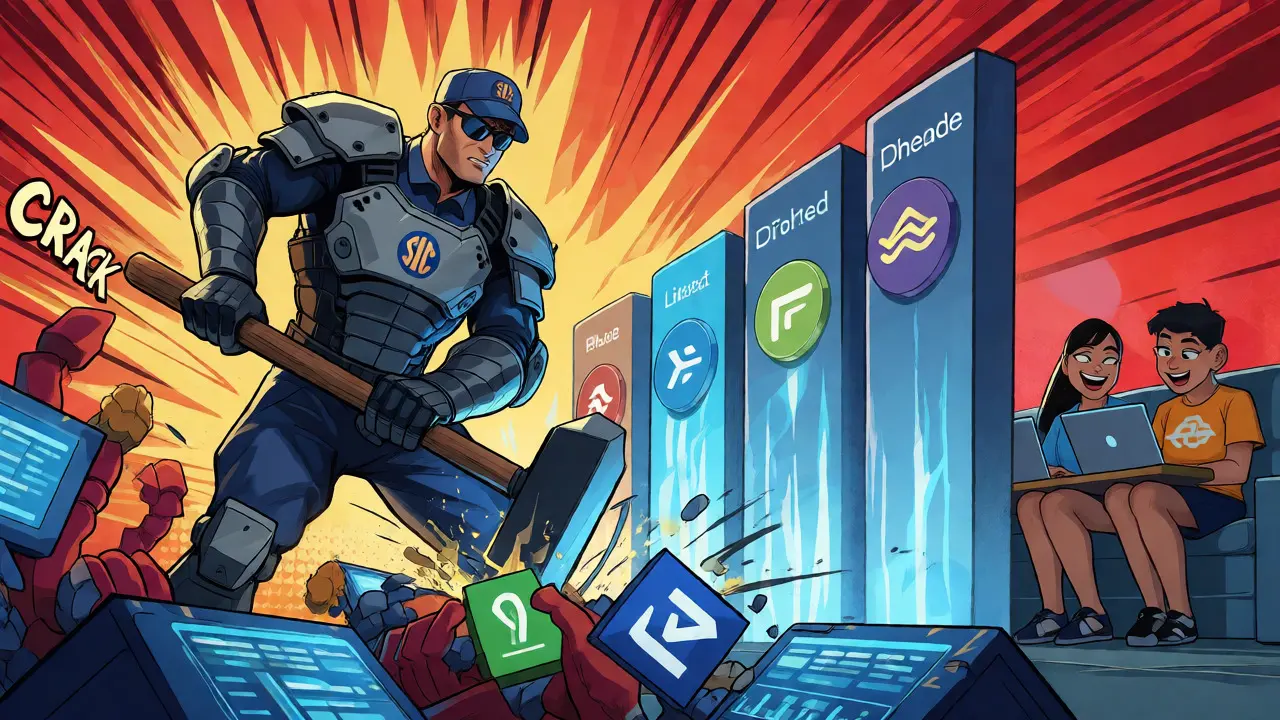
The SEC isn't just writing rules; they are enforcing them aggressively. The most notable crackdown occurred on August 1, 2025. Ten major exchanges received public advisories for operating without licenses. Names like OKX, Bybit, KuCoin, and Kraken were flagged.
These platforms continued serving Filipino users despite lacking proper authorization. The SEC warned them that violations carry penalties ranging from 50,000 to 10 million pesos per violation. Ongoing violations add a daily penalty of 10,000 pesos. That adds up quickly.
Binance faced similar issues earlier. In 2024, authorities blocked the world's largest exchange after giving users 90 days to exit. This precedent shows the SEC will block websites and app access if necessary. Compliance isn't optional; it's survival.
Impact on Users and Market Growth
Despite stricter rules, the Philippine crypto market continues to grow. Adoption rates are projected to hit 10.86% by 2026, with nearly 13 million users. Revenue is climbing toward ₱1.1 billion. Why? Because trust drives adoption.
When users know their exchange is licensed, they feel safer depositing larger amounts. Licensed platforms like Youholder and Cex.io have seen increased trust scores. Unlicensed platforms face reputational damage and potential blocking.
The central bank maintains oversight but hasn't launched its own digital currency or bought significant reserves yet. Their stance is regulatory, not participatory. They watch the sector closely but let the private market innovate within bounds.
Challenges for Operators
Is this perfect? No. Small international exchanges struggle with the PHP 100 million capital requirement. Establishing a physical office adds overhead. Monthly reporting creates administrative burden.
Some analysts argue these rules favor big players and stifle competition. Others praise the balance between protection and innovation. For now, the trend is consolidation. We see fewer, stronger players dominating the market. If you're a startup, consider partnering with a licensed entity rather than going solo immediately.
Final Thoughts
The Philippines has positioned itself as a leader in crypto regulation in Southeast Asia. The SEC's approach is firm but fair. They protect consumers without killing the industry. For operators, compliance is expensive but necessary. For users, it means safer trading environments.
If you're entering this market, budget for compliance early. Don't wait for an advisory letter to start fixing your books. The SEC is watching, and they have the tools to shut down non-compliant actors. Stay licensed, stay transparent, and keep your customer funds segregated.
Can I still trade crypto in the Philippines without a license?
Yes, individual investors can trade freely. The licensing requirements apply to service providers (exchanges, wallets, brokers), not individual traders. However, using unlicensed platforms carries higher risk due to potential blocking or lack of consumer protection.
What is the minimum capital required for a CASP license?
The minimum paid-up capital is PHP 100 million (approximately $1.8 million USD). This capital must be in cash or liquid assets, excluding crypto-assets held in custody for customers.
Do foreign exchanges need a physical office in the Philippines?
Yes, all CASPs targeting Filipino users must maintain a physical office presence in the country. This ensures local accountability and facilitates regulatory audits and consumer complaint resolution.
How long does the SEC application process take?
Applications must be submitted at least 30 days prior to commencing activities. Actual approval timelines vary based on document completeness and complexity, but expect several months for full review and feedback cycles.
What happens if an exchange violates the CASP rules?
Violations result in fines ranging from 50,000 to 10 million pesos per incident, plus daily penalties of 10,000 pesos for ongoing non-compliance. Severe cases may lead to suspension of operations or website blocking.