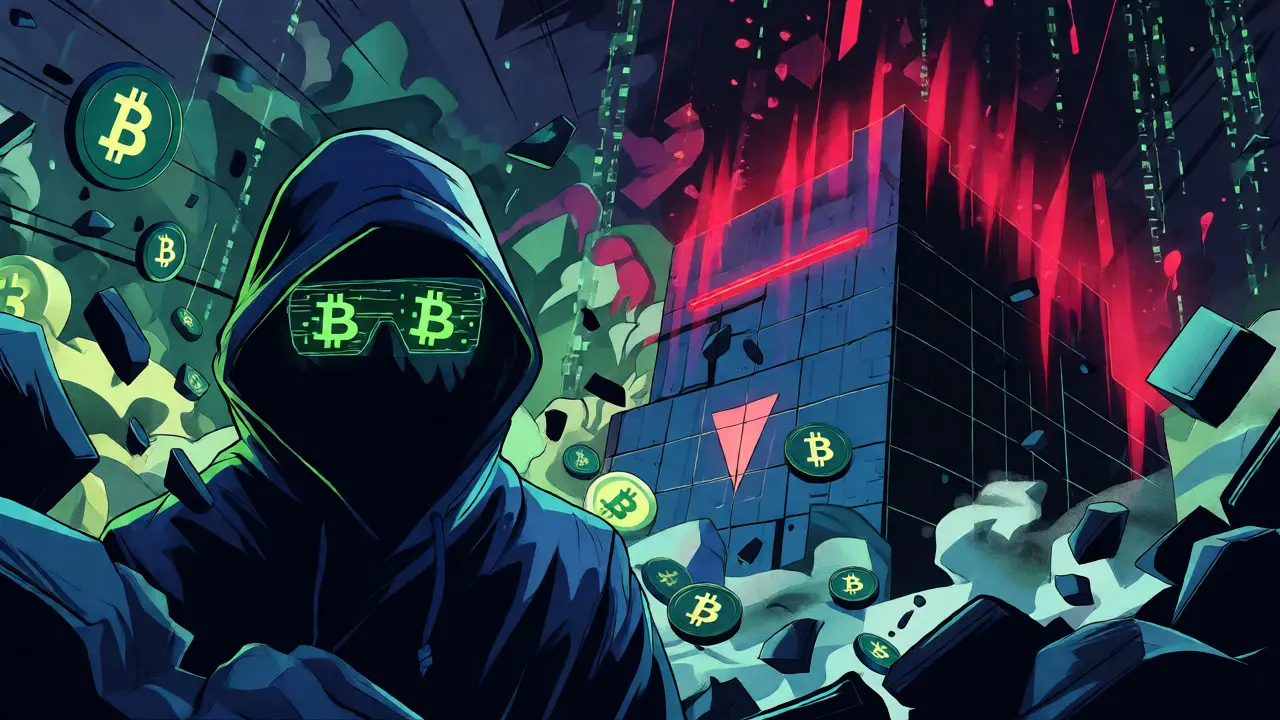
Imagine losing $72 million overnight. That’s what happened to Bitfinex in 2016 when hackers stole 120,000 Bitcoin. Most exchanges would have folded or begged for a bailout. Bitfinex didn’t. They paid users back at 100% value. Fast forward to 2026, and this resilience defines the platform more than its flashy marketing ever could.
If you are here, you probably want to know if Bitfinex is still worth your time and money. It isn’t the place for beginners who want a simple "buy" button. It’s a tool for traders who care about execution speed, deep liquidity, and advanced order types. But it comes with quirks-like mandatory KYC that can take days and customer support that moves at a glacial pace. Let’s break down exactly how it performs today so you can decide if it fits your trading style.
Who Should Actually Use Bitfinex?
Bitfinex isn’t trying to be everything to everyone. It serves a specific niche: intermediate to advanced traders. If you are just starting out, the interface might feel like flying a space shuttle. There are too many buttons, too much data, and not enough hand-holding. However, if you are an experienced trader who values precision over polish, this is one of the best environments available.
The platform supports roughly 170 cryptocurrencies. That’s fewer than Binance’s 350+, but it means every asset listed has been vetted for liquidity. You won’t find obscure meme coins here unless they have real volume. The focus is on major pairs like BTC/USD, ETH/BTC, and stablecoins. For institutional players and high-volume retail traders, this curated list reduces noise. You spend less time searching for assets and more time executing strategies.
| User Type | Suitability | Why? |
|---|---|---|
| Beginner | Low | Complex UI, steep learning curve, no live chat support. |
| Intermediate Trader | High | Good margin tools, decent fee discounts via LEO. |
| Pro/Institutional | Very High | Deep liquidity, OCO orders, API access, low latency. |
| HODLer (Long-term) | Medium | Staking options exist, but insurance is lacking. |
Fees and the LEO Token Advantage
Let’s talk numbers, because nobody likes hidden costs. Bitfinex’s base fees are competitive but not the cheapest in the industry. Taker fees start at 0.2%, while maker fees begin at 0.1%. These rates drop significantly as your trading volume increases. If you trade over $100,000 monthly, you hit the next tier immediately.
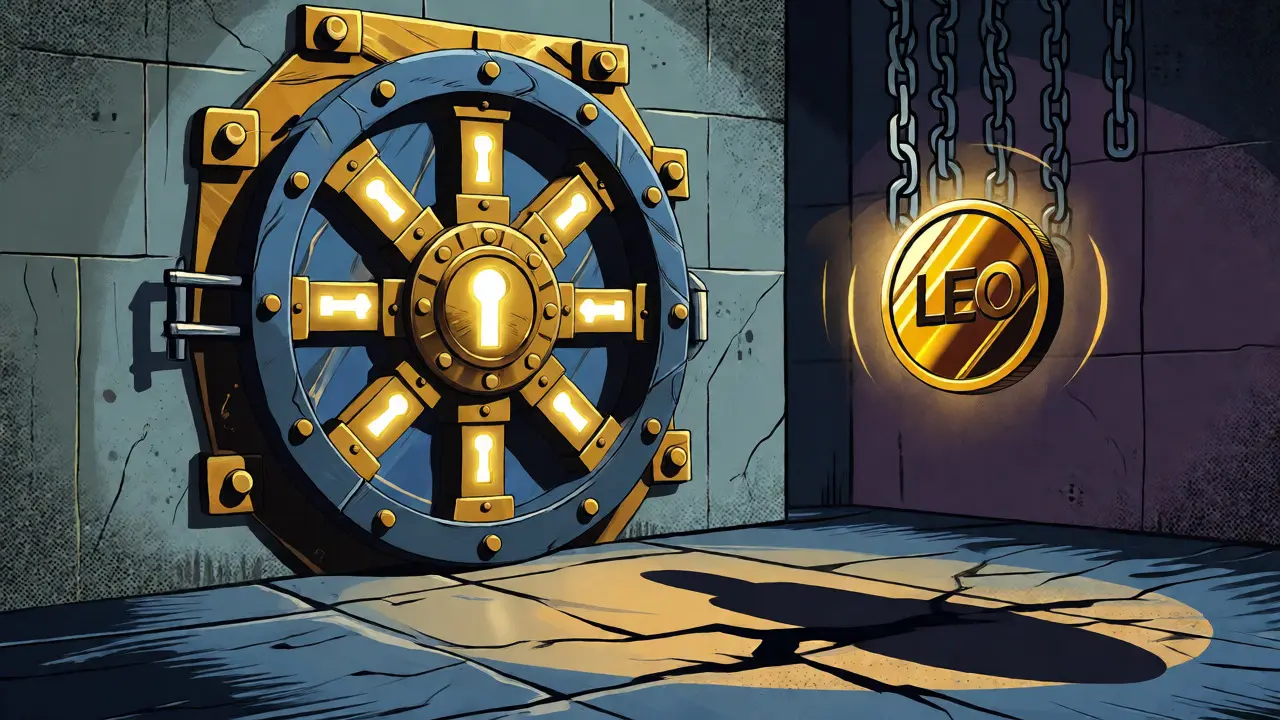
But here is where things get interesting. Bitfinex has its own utility token called LEO. Holding LEO unlocks deeper discounts. If you hold a certain amount of LEO, your taker fee drops to 0.13% and maker fees stay at 0.1%. For active traders, this saves serious money over a year. Unlike some exchanges that force you to lock up tokens, Bitfinex’s system is straightforward. Buy LEO, hold it, get lower fees. It’s a transparent model that rewards loyalty without complex staking mechanisms.
Keep in mind that fiat deposits carry their own costs. Bank transfers via SEPA or SWIFT can incur wire fees from your bank, which Bitfinex doesn’t cover. Credit card purchases also come with higher spreads. Always calculate the total cost of entry before you buy.
Trading Tools and Execution Quality
This is Bitfinex’s stronghold. The matching engine is fast. We’re talking sub-100ms execution times under normal conditions. During volatile market swings, slippage remains minimal on major pairs like Bitcoin and Ethereum. If you are scalping or running arbitrage bots, this reliability matters more than having 500 altcoins listed.
The order book is granular. You aren’t limited to basic market or limit orders. Bitfinex supports One Cancels the Other (OCO) orders, trailing stops, and iceberg orders. These tools let you automate risk management directly on the exchange rather than relying on external bots. For example, you can set a stop-loss that automatically triggers a sell order if the price drops below a certain point, all within the same interface.
Margin trading is another standout feature. Bitfinex offers up to 10x leverage on select pairs. The funding markets are deep, meaning you can borrow large amounts of crypto without moving the interest rate significantly. This makes it ideal for sophisticated strategies like cash-and-carry arbitrage. Just remember: leverage cuts both ways. While the tools are powerful, the lack of beginner-friendly warnings means new users can liquidate quickly if they aren’t careful.

Security: Strengths and Missing Pieces
Security is often cited as Bitfinex’s biggest concern by outsiders, but the reality is nuanced. Yes, they were hacked in 2016. But they recovered fully. Today, the majority of assets sit in cold storage protected by multi-signature wallets. This means multiple keys are required to move funds, reducing the risk of internal theft or single-point failures.
However, there is a critical gap: insurance. Unlike Coinbase or Kraken, Bitfinex does not explicitly insure user deposits against catastrophic loss. If the company faces insolvency due to external factors, your funds might not be protected by a third-party insurer. Additionally, while Bitfinex publishes regular audits, it lacks a comprehensive Proof of Reserves (PoR) document that details exactly how much user collateral is held versus liabilities. This transparency issue causes some trust scores on sites like Cer.Live to dip.
- Cold Storage: Most funds offline.
- Multi-Sig: Multiple approvals needed for withdrawals.
- No Insurance: No FDIC or private coverage for crypto holdings.
- KYC Mandatory: Full identity verification required for all features.
Deposits, Withdrawals, and Customer Support
Getting money onto Bitfinex is straightforward but slow. You can use bank transfers (ACH, SEPA, SWIFT), credit/debit cards, or crypto deposits. Fiat deposits start at $25 minimum. Once sent, crypto transactions confirm within minutes. Bank wires, however, can take 1-3 business days depending on your country.
Withdrawals are generally processed within hours, but security checks can trigger delays. If you withdraw to a new address, expect a 24-hour cooling-off period. This is good for security but annoying if you need quick access to funds.
Here is the pain point: customer support. Bitfinex relies heavily on email tickets. There is no live chat. Response times vary wildly. Some users report replies in 24 hours; others wait weeks during peak congestion. Trustpilot reviews frequently mention account freezes lasting days while support investigates suspicious activity. If you are used to instant resolution, prepare for patience. The documentation is technical and assumes prior knowledge, which frustrates newcomers.
Bitfinex vs. The Competition
How does Bitfinex stack up against other major players? Here is a direct comparison based on current 2026 data.
| Feature | Bitfinex | Binance | Coinbase |
|---|---|---|---|
| Crypto Selection | ~170 Assets | 350+ Assets | 250+ Assets |
| Base Maker Fee | 0.10% | 0.10% | 0.40%+ |
| Leverage Options | Up to 10x | Up to 125x | Up to 5x |
| Customer Support | Email Only | Live Chat | Live Chat/Phone |
| Best For | Pro Traders | Altcoin Hunters | Beginners/US Users |
Bitfinex loses on variety compared to Binance. It loses on ease of use compared to Coinbase. But it wins on execution quality for professional-grade trading. If you are building a bot or managing a hedge fund portfolio, Bitfinex’s stability and API reliability are superior. If you are buying Dogecoin for fun, go elsewhere.
Final Verdict: Is Bitfinex Worth It in 2026?
Bitfinex remains a powerhouse for those who know what they are doing. It’s not perfect. The lack of insurance and slow support are real drawbacks. But for traders who prioritize deep liquidity, advanced order types, and a proven track record of recovery, it’s hard to beat. The LEO token provides tangible savings for active users. Just ensure you complete KYC early and don’t keep more funds on the exchange than necessary.
Is Bitfinex safe after the 2016 hack?
Yes, Bitfinex compensated all users from the 2016 hack at full value. Since then, they have implemented stricter security measures including multi-signature cold storage. However, they do not offer insurance on deposits, so diversification across platforms is still recommended.
Does Bitfinex require KYC verification?
Yes, Bitfinex mandates Know Your Customer (KYC) verification for all trading activities. This process typically takes 3-5 business days and requires government-issued ID and proof of address. Without full KYC, you cannot deposit fiat or withdraw significant amounts.
What is the LEO token and how does it help?
LEO is Bitfinex’s native utility token. Holding a minimum amount of LEO in your account grants discounted trading fees. For example, holding sufficient LEO can reduce taker fees from 0.2% to 0.13%. It is a straightforward way to lower costs for active traders.
Can beginners use Bitfinex easily?
Generally, no. The interface is designed for professionals with many advanced options visible by default. Beginners may find it overwhelming and prone to errors. Exchanges like Coinbase or Kraken offer simpler interfaces better suited for first-time buyers.
What currencies can I deposit into Bitfinex?
Bitfinex supports fiat deposits in USD, EUR, GBP, and JPY. Methods include bank transfer (SEPA/SWIFT), ACH, and credit/debit cards. Minimum fiat deposit is usually $25. Crypto deposits are supported for hundreds of digital assets.