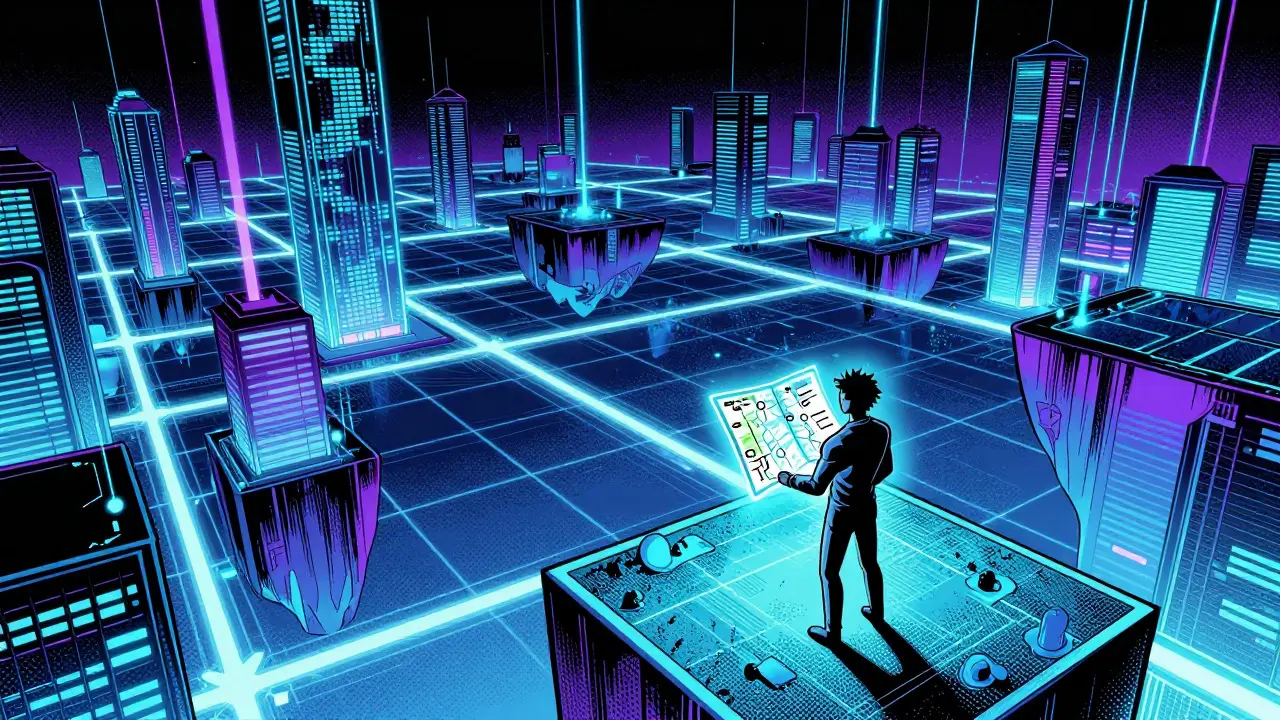
Buying a plot of land in the physical world usually means dealing with zoning laws, mortgage brokers, and the risk that your neighborhood might flood. Buying Metaverse Real Estate is a digital asset class involving the acquisition and development of virtual land parcels on blockchain-based platforms using cryptocurrency flips those rules. You aren't buying dirt; you are buying coordinates on a server. But if you get it right, that coordinate can generate passive income through events, advertising, or rentals. If you get it wrong, you're left holding an expensive JPEG that no one visits.
The landscape has shifted significantly by 2026. The initial hype cycle of 2021-2022 has cooled into a more mature, albeit volatile, market. Investors are no longer just speculating on "land"; they are looking for yield. With the metaverse market projected to grow at a compound annual growth rate of 31.2% through 2028, the question isn't whether this sector will exist, but how to navigate its specific risks without losing your shirt.
Key Takeaways
- Platform Dependency is the Biggest Risk: Your asset's value is tied entirely to the success of one specific platform (like Decentraland or The Sandbox). If the platform dies, your land becomes worthless.
- Liquidity is Low: Unlike stocks, selling virtual land can take weeks or months. You need a long-term horizon.
- Yield Strategies Matter: Passive holding is risky. Active development (events, ads, games) creates revenue streams that justify the purchase price.
- Technical Barriers Exist: You need a crypto wallet and native tokens (MANA or SAND) to transact. It is not as simple as clicking "buy" on a traditional site.
Understanding the Asset Class
At its core, metaverse real estate is a Non-Fungible Token (NFT). This means each parcel of land is unique, verifiable, and owned by a single entity via a blockchain ledger. In Decentraland, a decentralized virtual world where users buy, build, and explore using the MANA token, ownership is permanent. There are no monthly maintenance fees. Once you own a plot, it is yours forever, provided the Ethereum network remains operational.
This differs from The Sandbox, a user-generated gaming platform where LAND is purchased using the SAND token. While also built on Ethereum, The Sandbox focuses heavily on game creation. Here, the utility of your land depends on whether you can build a game or experience that attracts players. The distinction matters because Decentraland leans more toward social and commercial spaces, while The Sandbox is a playground for developers.
Other platforms like Somnium Space and CryptoVoxels offer different ecosystems. Somnium Space uses VR headsets exclusively, creating a higher barrier to entry but a more immersive environment. CryptoVoxels is pixel-art focused, appealing to a niche community. Choosing the right platform is the first critical step, as interoperability between these worlds is still limited. Your land in Decentraland does not automatically translate to value in The Sandbox.
Why Invest in Virtual Land?
The primary argument for virtual real estate is scalability and creative freedom. In the physical world, you are constrained by geography, weather, and physics. In the metaverse, you can build a skyscraper in the middle of a desert or a beach inside a mountain. This allows for diverse monetization strategies that don't exist in traditional real estate.
Corporate adoption has validated this space. Companies like PwC, JP Morgan, and Samsung have acquired parcels for brand presence. They use these spaces for virtual conferences, product launches, and customer engagement. For an individual investor, this signals legitimacy. If major corporations are spending millions here, there is a demand for prime locations near these corporate hubs.
Celebrity involvement, such as Snoop Dogg and Paris Hilton purchasing high-profile plots, has also driven mainstream awareness. However, celebrity purchases often inflate local prices temporarily. Smart investors look past the hype and analyze the underlying user activity metrics rather than just the news headlines.
The Technical Setup: Getting Started
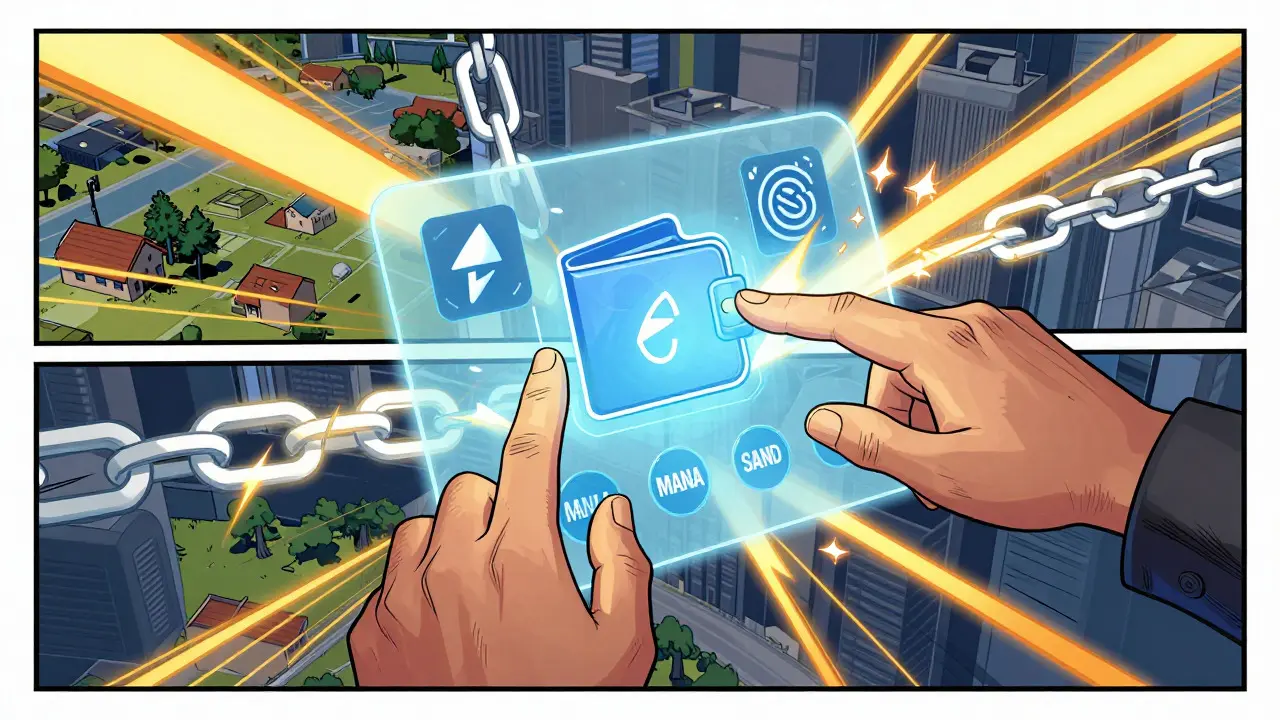
You cannot buy metaverse real estate with a credit card directly. The process requires familiarity with basic blockchain mechanics. Here is the standard workflow for 2026:
- Set Up a Wallet: Most major platforms operate on the Ethereum blockchain. You will need a non-custodial wallet like MetaMask. This holds your private keys and assets.
- Acquire Cryptocurrency: Buy Ethereum (ETH) on a reputable exchange. ETH is used to pay for gas fees (transaction costs) on the Ethereum network.
- Convert to Native Tokens: Depending on the platform, swap your ETH for the native token. For Decentraland, this is MANA. For The Sandbox, this is SAND. These swaps happen on decentralized exchanges (DEXs).
- Navigate the Marketplace: Go to the official marketplace for your chosen platform. Browse available parcels. Filter by location, size, and price.
- Bid or Buy: Some lands are listed at fixed prices. Others go up for auction. Auctions require strategic bidding, as gas fees can spike during high-traffic periods.
A common pitfall for beginners is underestimating gas fees. During peak times, a simple transaction can cost $50-$100+ in ETH. Always keep a buffer in your wallet to avoid failed transactions that still charge you for the attempt.
Monetization Strategies: Making Money from Land
Owning land is only half the battle. To make it an investment rather than a speculation, you need revenue. Here are the most effective strategies currently in use:
| Strategy | Effort Level | Revenue Potential | Risk Factor |
|---|---|---|---|
| Event Hosting (Concerts, Conferences) | High | Medium-High | Moderate (Depends on attendance) |
| Advertising Leasing | Low | Medium | Low (Steady demand from brands) |
| Gaming Venues | Very High | High | High (Requires technical dev skills) |
| NFT Gallery / Storefront | Medium | Variable | Moderate (Tied to NFT market trends) |
| Pure Speculation (Buy Low, Sell High) | Low | Unpredictable | Very High (Market volatility) |
Advertising Leasing is the most accessible entry point. If your land is near a main street or a popular landmark, you can lease billboards to other users or companies. This generates passive income in native tokens. The key here is visibility. A plot in the middle of nowhere generates zero ad revenue.
Event Hosting requires more work but offers higher ceilings. Organizing a virtual concert or a business conference involves marketing, ticketing, and coordination. Successful events can attract thousands of unique visitors, boosting the land's reputation and value. Platforms like Decentraland have seen large-scale events draw tens of thousands of concurrent users, proving the model works.
Gaming is the hardest path. You need to hire developers or learn coding yourself. However, successful games create sticky communities. Players who spend hours in your game are less likely to sell their associated assets, stabilizing the local economy.
Risks and Volatility: What Could Go Wrong?
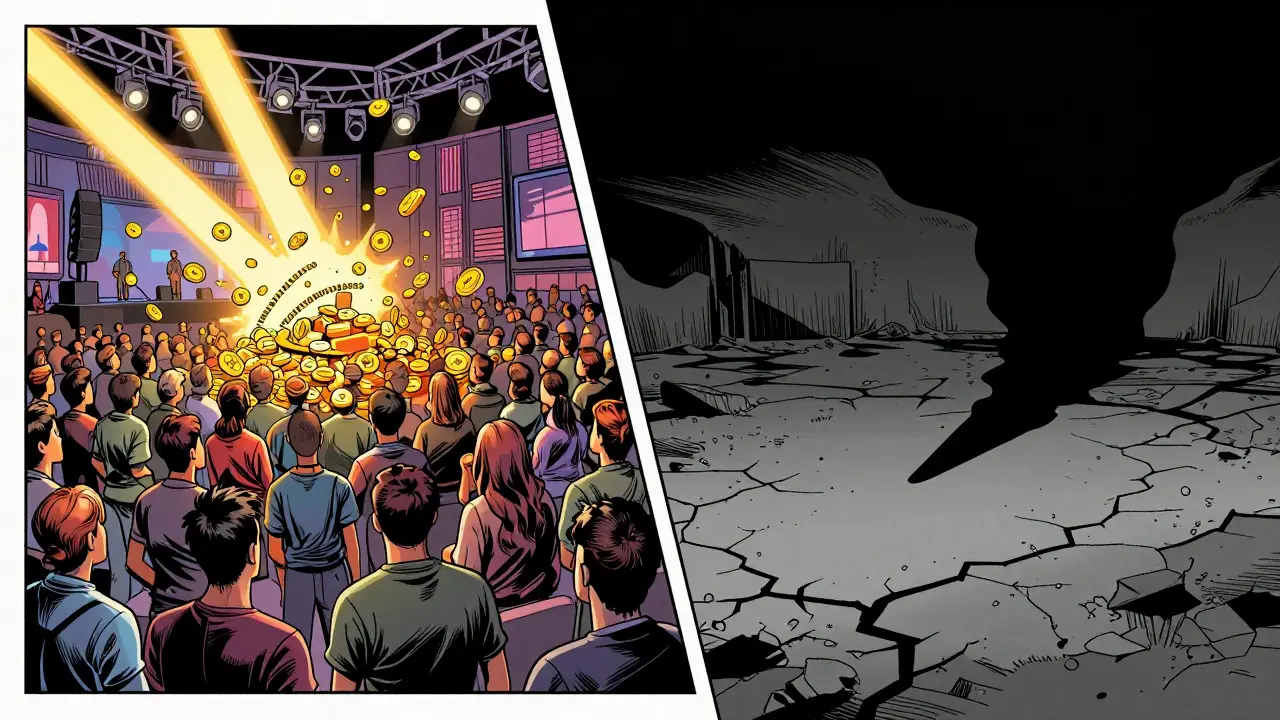
Let's be honest: metaverse real estate is risky. Much riskier than buying a house in Wellington or New York. The primary risk is platform dependency. If Decentraland loses its user base to a new competitor, your land's value drops. There is no government backing it. No central bank to bail out the ecosystem. It is purely driven by community adoption.
Market Volatility is another factor. Since land is priced in cryptocurrency, its value fluctuates with the broader crypto market. If Ethereum drops 20%, the dollar value of your land drops 20%, even if no one has bought or sold anything. This makes cash flow planning difficult.
Regulatory Uncertainty is also growing. Governments are beginning to look at virtual assets. Will taxes apply to virtual rental income? Will inheritance laws cover NFTs? As of 2026, clarity is still emerging. Investors should consult with a tax professional who understands digital assets before scaling up.
Finally, consider liquidity risk. Traditional houses take weeks to sell. Virtual land can take months. If you need cash quickly, you may have to sell at a significant discount. Treat this asset as illiquid capital, not emergency funds.
Future Outlook: Where is the Market Heading?
The future of metaverse real estate hinges on two things: hardware improvement and interoperability. As VR headsets become lighter, cheaper, and more comfortable, mainstream adoption will increase. More users mean more demand for prime virtual locations.
Interoperability is the holy grail. Currently, your avatar and assets are trapped in one platform. If standards emerge that allow users to carry their identity and some assets across different metaverses, the value of well-located land could skyrocket. Until then, diversification across multiple platforms is a smart hedge against single-platform failure.
The trend is moving away from pure speculation toward utility. Investors are now asking, "What does this land do?" rather than "Will this land go up in price?" Focus on building experiences that provide value to users, and the financial returns will follow.
Frequently Asked Questions
Is metaverse real estate a good investment in 2026?
It can be, but it is high-risk. It is suitable for investors who understand blockchain technology, have a long-term horizon (3-5 years), and are willing to actively develop the property. It is not recommended for conservative investors seeking stable, low-effort returns.
What is the minimum amount needed to start investing?
Entry-level parcels in secondary areas of Decentraland or The Sandbox can range from $1,000 to $5,000 USD. Prime locations cost significantly more, often six figures. You also need extra funds for gas fees and potential development costs.
Do I need a VR headset to invest?
No. You can buy, manage, and view most metaverse properties via a web browser. However, if you plan to host immersive events or target platforms like Somnium Space, a VR headset is essential for both management and user experience.
How do I verify that I actually own the land?
Ownership is recorded on the blockchain. You can verify your NFT by checking the contract address on a block explorer like Etherscan. The token ID corresponds to your specific parcel. Ensure the token is in your personal wallet, not held by a third-party service, for true ownership.
Can I lose my land due to platform changes?
In most major platforms like Decentraland, ownership is permanent and cannot be revoked by the company. However, if the platform shuts down entirely, the land becomes inaccessible. Additionally, some smaller platforms may change terms to include usage fees or restrictions, so always read the Terms of Service carefully.