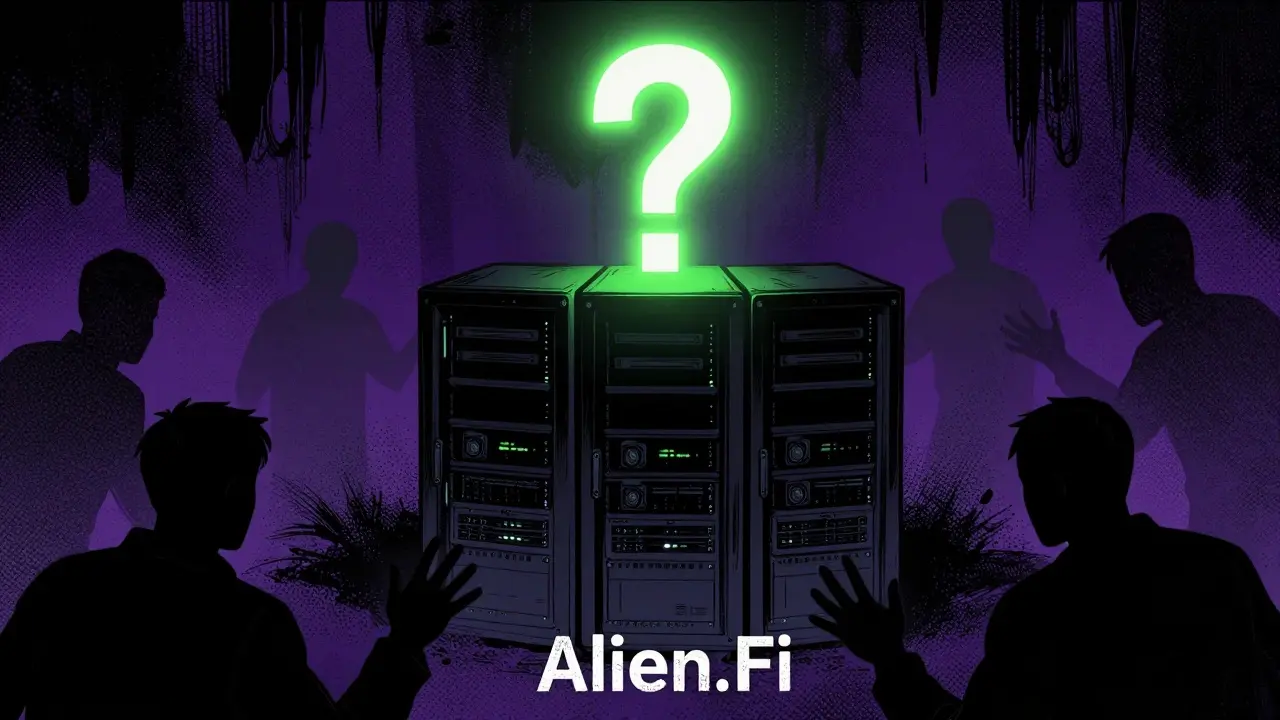
Have you heard whispers about Alien.Fi, a new crypto exchange promising high yields or unique features?
If so, stop right there. Before you connect your wallet or deposit a single cent, you need to understand one critical fact: **there is no verified, legitimate cryptocurrency exchange known as Alien.Fi.**
In the world of digital assets, names can be misleading. You might have seen "AlienSwap" (an NFT marketplace) or come across warnings about "Alien Suite" being flagged as a potential fraud. But "Alien.Fi"? It’s a ghost town in the data. No major trackers like CoinMarketCap or CoinGecko list it. No reputable regulatory bodies recognize it. And if a platform isn’t on these lists, it’s usually because it doesn’t exist-or worse, it’s a trap.
This review isn’t just about saying "no." It’s about protecting your capital by teaching you how to spot these invisible threats and what to look for instead. Let’s break down why this name should raise every alarm bell you have.
The Silence Is Deafening: Why Verification Matters
When I evaluate an exchange, my first step is always the same: check the sources that matter. For any legitimate crypto platform, you expect to see footprints everywhere. Think about Binance or Coinbase. They are tracked by thousands of data aggregators, reviewed by financial journalists, and discussed openly on forums like Reddit.
Now, look at Alien.Fi. There is nothing. Not a single user review on Trustpilot. No mention in recent blockchain security reports. No audit certificates from firms like CertiK or Hacken. This absence of information is not a mystery; it is a red flag waving in plain sight.
Legitimate exchanges operate in the light because they need trust to function. They want you to know their founding date, their team members, and their legal status. If a platform hides behind silence, ask yourself: What are they hiding? Usually, it’s the fact that the site will disappear the moment you transfer funds.
Confusing Names: Alien.Fi vs. AlienSwap
One reason people get tricked is name confusion. The crypto space loves similar-sounding projects. You might have heard of AlienSwap. That is a real project, but it is an NFT marketplace focused on collectibles, not a centralized exchange for trading Bitcoin or Ethereum.
Then there are entities like "Alien Suite" or generic "Alien" branded sites that have been flagged by scam-tracking databases such as LegalByte and Cyberclaims. These platforms often use professional-looking designs to mimic legitimate services. They might even copy the logo or color scheme of a trusted brand.
Here is the key difference:
- AlienSwap: A decentralized protocol for NFTs, verifiable on-chain.
- Alien.Fi: An unverified entity with no clear product, no team, and no track record.
If you click a link for "Alien.Fi" and it asks you to deposit USDT or ETH for "trading," you are likely interacting with a clone site designed to steal your assets. Always double-check the URL. Scammers buy domains that look almost identical to popular brands.
How to Spot a Fake Exchange (Before You Lose Money)
You don’t need to be a cybersecurity expert to identify a risky platform. Here are the five most common signs that a crypto exchange is illegitimate. Use this checklist before you ever enter your seed phrase or bank details.
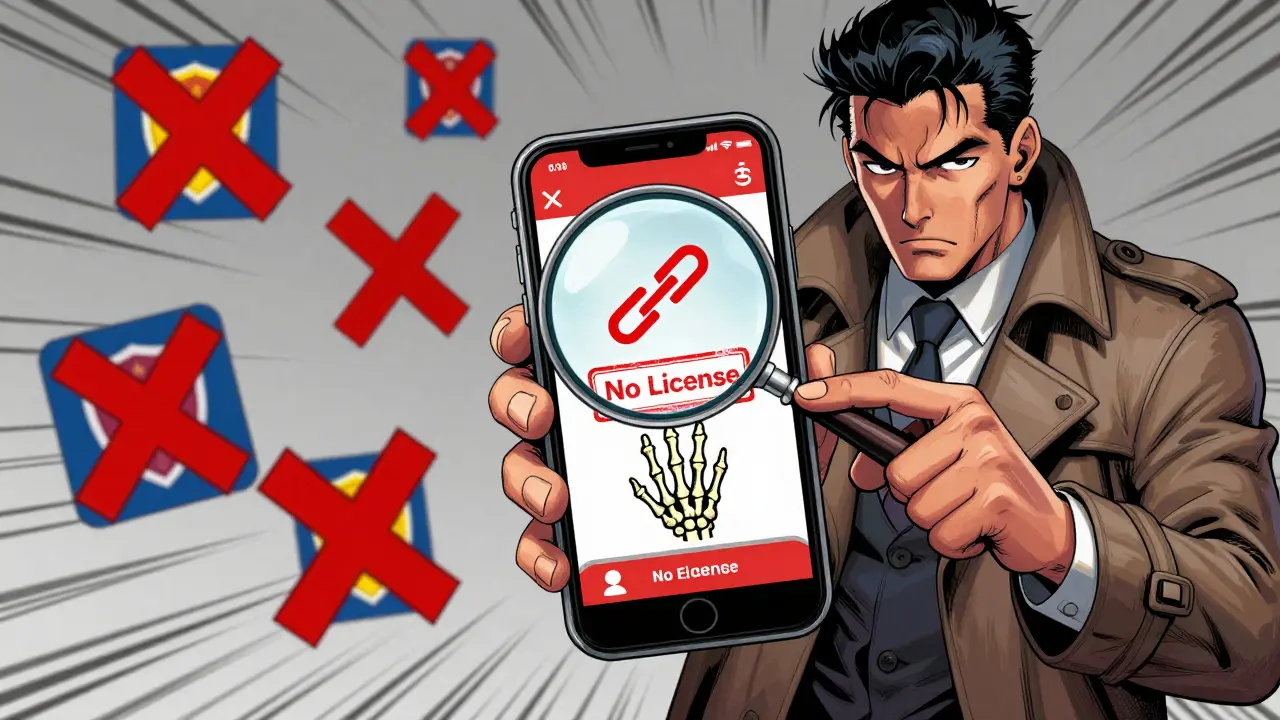
- No Regulatory License: Legitimate exchanges register with financial authorities. In the US, they file with the SEC or FinCEN. In Europe, they comply with MiCA regulations. If Alien.Fi has no license number or legal address listed in its footer, walk away.
- Unrealistic Promises: Does the site promise guaranteed daily returns of 1% or more? This is the classic hallmark of a Ponzi scheme. Real markets fluctuate; they do not guarantee profit.
- Poor Website Quality: Look closely at the design. Are there spelling errors? Do links lead to dead ends? Is the contact support only a Telegram group with no staff online? Professional exchanges have robust, responsive customer service channels.
- Lack of Transparency: Who owns the company? Where is it headquartered? If the "About Us" page is empty or filled with stock photos, it’s a sign of anonymity-and anonymity is dangerous in finance.
- Pressure Tactics: Did someone message you out of the blue on social media inviting you to join? Scammers often use bots to promote fake exchanges. Legitimate companies do not cold-message users to invest.
Apply this logic to Alien.Fi, and you’ll find it fails every single test. The lack of basic transparency is enough to disqualify it as a safe option.
The Risk of Connecting Your Wallet
Many modern scams target decentralized finance (DeFi) users. Instead of asking you to send money to a bank account, they ask you to "connect your wallet" using MetaMask or Phantom.
This is where things get technical but crucial. When you connect your wallet to a malicious site, you might unknowingly approve a transaction that drains your tokens. The site could display a fake interface that looks exactly like a legitimate swap tool. You think you’re swapping tokens, but you’re actually signing a contract that gives the attacker access to all your assets.
Smart Contract Security is vital here. Reputable platforms undergo rigorous audits. Their code is open-source, meaning anyone can inspect it for vulnerabilities. If Alien.Fi does not publish its smart contracts on GitHub or provide an audit report from a recognized firm, assume the code contains backdoors designed to steal your funds.
Never connect your primary wallet to an unverified site. If you must experiment with new platforms, use a separate "burner wallet" with minimal funds. Never store your life savings on a device that interacts with unknown URLs.
Safe Alternatives: Where You Should Trade Instead
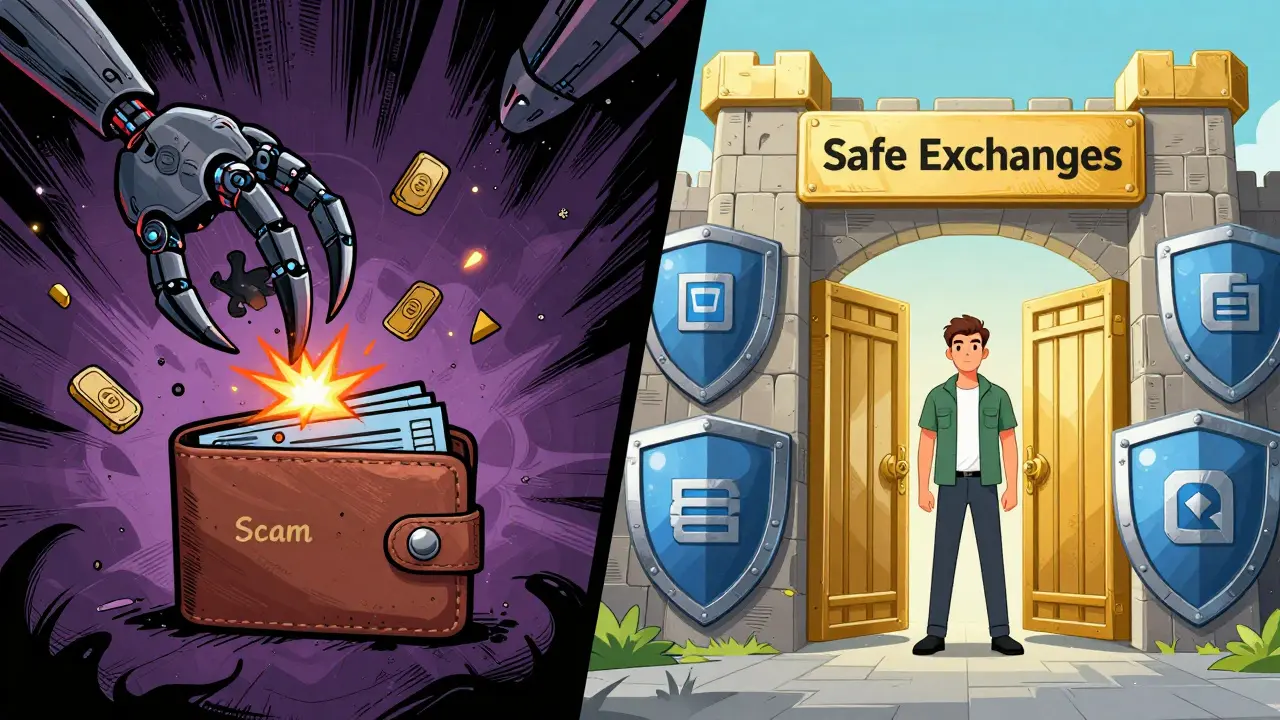
Avoiding a scam is only half the battle. You still need a place to trade crypto safely. Here are three types of platforms that prioritize security, regulation, and user protection.
| Platform | Type | Key Security Feature | Best For |
|---|---|---|---|
| Coinbase | Centralized (CEX) | Publicly traded on NASDAQ; insured custody | Beginners seeking maximum safety |
| Kraken | Centralized (CEX) | Proven track record since 2011; frequent audits | Experienced traders wanting low fees |
| Uniswap | Decentralized (DEX) | Open-source code; non-custodial | Users who want full control over assets |
Notice the pattern? These platforms are transparent. They have years of history. They are regulated or open-source. When you choose one of these, you are betting on infrastructure that has survived market crashes and security attacks. With Alien.Fi, you are betting on nothing.
What to Do If You Already Interacted With Alien.Fi
If you’ve already sent funds or connected your wallet to a site claiming to be Alien.Fi, act immediately. Time is your enemy.
- Disconnect Your Wallet: Go into your MetaMask or Phantom settings and remove the connection to the suspicious site. Change your password if you used the same one elsewhere.
- Check Transaction History: Look at your wallet on a block explorer like Etherscan. Did you approve any large token allowances? If so, revoke them immediately using tools like Revoke.cash.
- Move Remaining Funds: Transfer any remaining assets to a new, secure wallet with a fresh seed phrase. Do not keep funds on a compromised device.
- Report the Incident: Contact your local cybercrime unit. In New Zealand, you can report to the Police Online Services. In the US, file a report with the FBI’s IC3. This helps authorities track down scammers.
Unfortunately, if funds were sent directly to a private wallet address, recovery is unlikely. Blockchain transactions are irreversible. This is why prevention is the only true defense.
Building Your Own Due Diligence Habit
The crypto industry moves fast. New platforms launch daily, and some are legitimate while others are scams. You cannot rely on others to warn you every time. You need a personal routine for checking safety.
Start by bookmarking trusted resources. Use CoinMarketCap or CoinGecko to verify if a token or exchange exists. If it’s not listed there, treat it as highly suspicious. Check Trustpilot for user reviews, but be wary of fake positive reviews. Look for detailed complaints about withdrawal issues.
Finally, follow the rule of thumb: If it sounds too good to be true, it is. High yields with zero risk do not exist. Secure your investments by choosing platforms that value transparency over hype.
Is Alien.Fi a legitimate cryptocurrency exchange?
No, there is no verified evidence that Alien.Fi is a legitimate exchange. It lacks regulatory licenses, user reviews, and presence on major tracking platforms like CoinMarketCap. Treat it as a high-risk or fraudulent entity.
How can I tell if a crypto exchange is a scam?
Look for missing regulatory licenses, unrealistic return promises, poor website quality, lack of team transparency, and unsolicited contact messages. Legitimate exchanges are transparent and audited.
What is the difference between Alien.Fi and AlienSwap?
AlienSwap is a known NFT marketplace with on-chain activity. Alien.Fi is an unverified entity with no clear product or track record. Do not confuse the two; they are completely different.
Should I connect my wallet to unverified sites?
Never connect your primary wallet to unverified sites. If you must test a new platform, use a burner wallet with minimal funds to avoid losing significant assets.
Where can I safely trade cryptocurrency?
Use established platforms like Coinbase, Kraken, or Uniswap. These exchanges offer regulatory compliance, security audits, and transparent operations.