
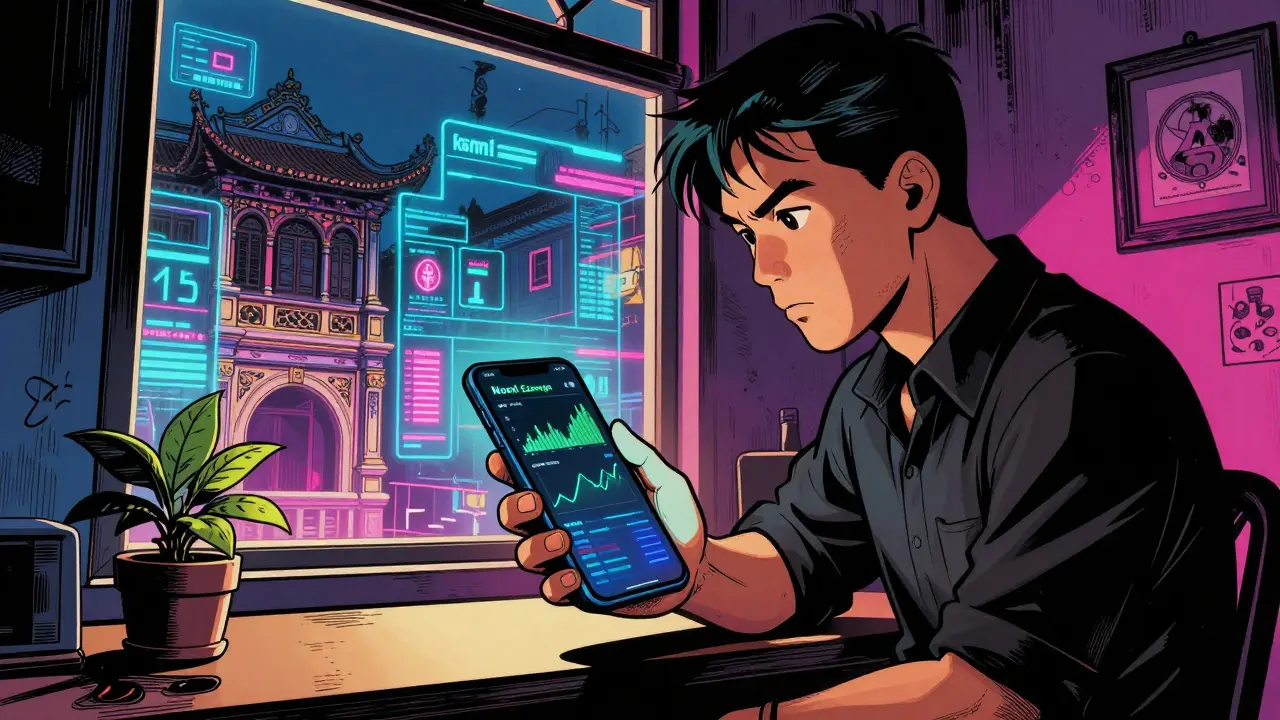
You’ve probably heard that Vietnam is a global powerhouse for cryptocurrency adoption. It’s true-the country has consistently ranked #1 in the Chainalysis Global Cryptocurrency Index. But if you’re looking to trade there, or just want a platform with strong Asian ties, one name keeps popping up: Nami Exchange is a cryptocurrency trading platform established by the Nami Foundation, focusing heavily on the Vietnamese and Southeast Asian markets. The big question isn’t just whether it works, but whether it’s safe enough for your money.
I’ve spent time digging into the specs, the security ratings, and the user complaints. Here is the honest truth about Nami Exchange in 2026. It’s not a global giant like Binance or Coinbase, and it has some serious red flags regarding independent security audits. However, for users in Vietnam who need local language support and specific fiat on-ramps, it fills a unique niche. Let’s break down exactly what you get, what you risk, and who should actually use this platform.
The Quick Verdict: Who Is Nami For?
- Best For: Traders based in Vietnam or Southeast Asia who prioritize local language support (Vietnamese/English) and easy fiat integration.
- Good For: Users who want access to Spot and Futures trading with leverage up to x125 without dealing with complex international banking restrictions.
- Avoid If: You are an international trader outside of Asia, as liquidity and support may be limited. Also avoid if you demand top-tier independent security certifications (like SOC 2 or regular penetration tests), which Nami currently lacks.
Platform Overview: More Than Just a Trading App
To understand Nami, you have to look at its parent organization. Nami Foundation is a pioneering organization in digital assets and technology financial economics based in Vietnam. They didn’t just build an exchange; they built an ecosystem that includes Nami Insurance is a subsidiary service within the Nami ecosystem designed to provide coverage for digital asset risks. This holistic approach means they are deeply embedded in the local financial infrastructure.
Launched prior to 2022, the platform was built during a period of explosive growth in Vietnam’s crypto scene. Today, it offers both Spot trading allows users to buy and sell cryptocurrencies at current market prices for immediate delivery. and Futures trading enables speculative betting on the future price of assets using contracts, often with leverage.. You can find nearly 1,000 trading pairs here. That’s a decent number, though it pales in comparison to the thousands available on major global exchanges. The interface is available via web, iOS, and Android apps, making it accessible for mobile-first traders, which is common in Southeast Asia.
Security and Compliance: The Good, The Bad, and The Ugly
This is where things get complicated. Security is the most critical factor when choosing an exchange, and Nami presents a mixed bag.
The Good: Chainalysis Integration
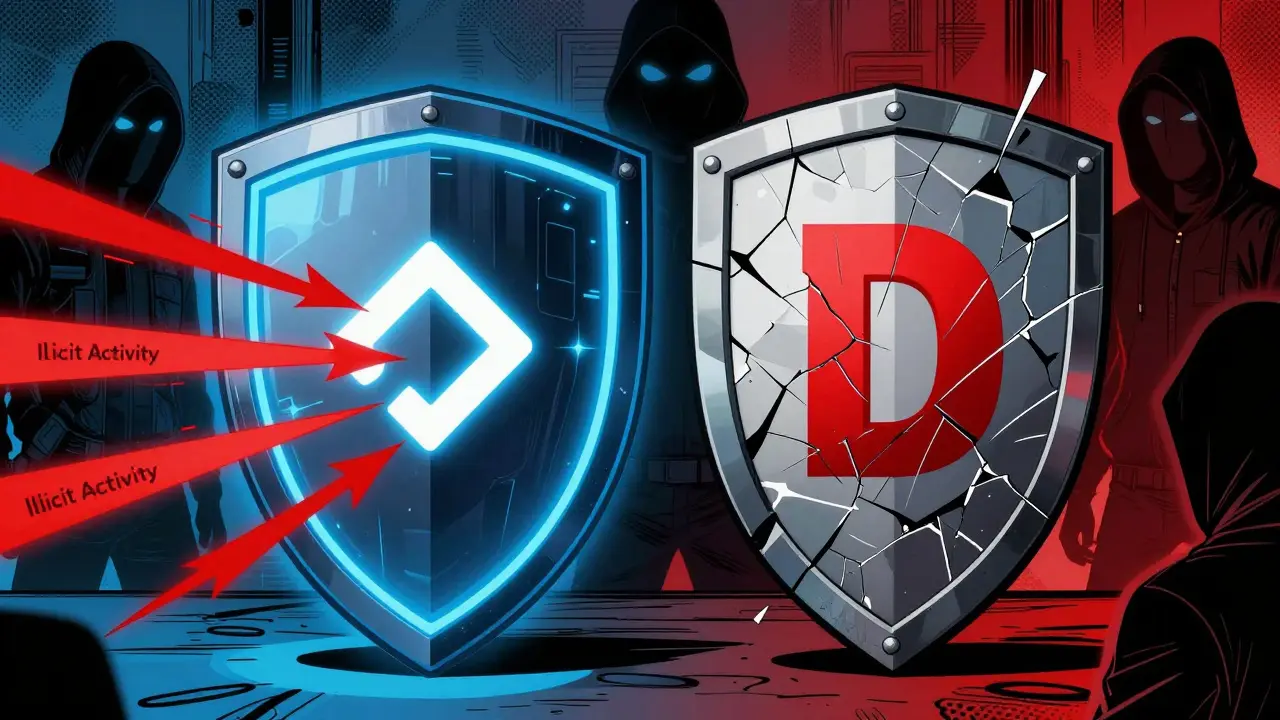
In late 2022, Nami partnered with Chainalysis is a leading blockchain analysis firm that helps companies track illicit finance and ensure regulatory compliance. This is a significant move. According to the Chainalysis Cryptocurrency Crime Report 2023, illicit transaction volume hit $20.1 billion in 2022. By integrating Chainalysis, Nami can monitor transactions in real-time. If suspicious activity is detected-like potential money laundering or terrorist financing-they can suspend the transfer and investigate before the assets leave their control. Nguyen Tuan Nam, COO of Nami Foundation, stated that security and compliance are their top priorities. For a region facing increasing regulatory scrutiny, this partnership adds a layer of legitimacy that many smaller regional exchanges lack.
The Bad: Independent Security Ratings
Here is the hard truth. While Nami claims high standards, independent auditors tell a different story. In 2023, cer.live assigned Nami.Exchange a security rating of D, with only a 20% security score. Why so low? The report cited the exchange as "uncertified without approved penetration test, without ongoing bug bounty."
For context, top-tier exchanges like Binance or Coinbase typically receive B+ to A ratings on similar platforms because they undergo regular third-party penetration testing and offer bug bounties to hackers who find vulnerabilities. Nami does neither. This means there is no public proof that their code has been stress-tested against sophisticated attacks. TrustFinance.com gave them a slightly better 45 TrustScore based on user reviews, noting they hold licenses from "respected regional regulators," but a D rating from a technical security standpoint is a major red flag for large holdings.
KYC Process: Strict but Streamlined
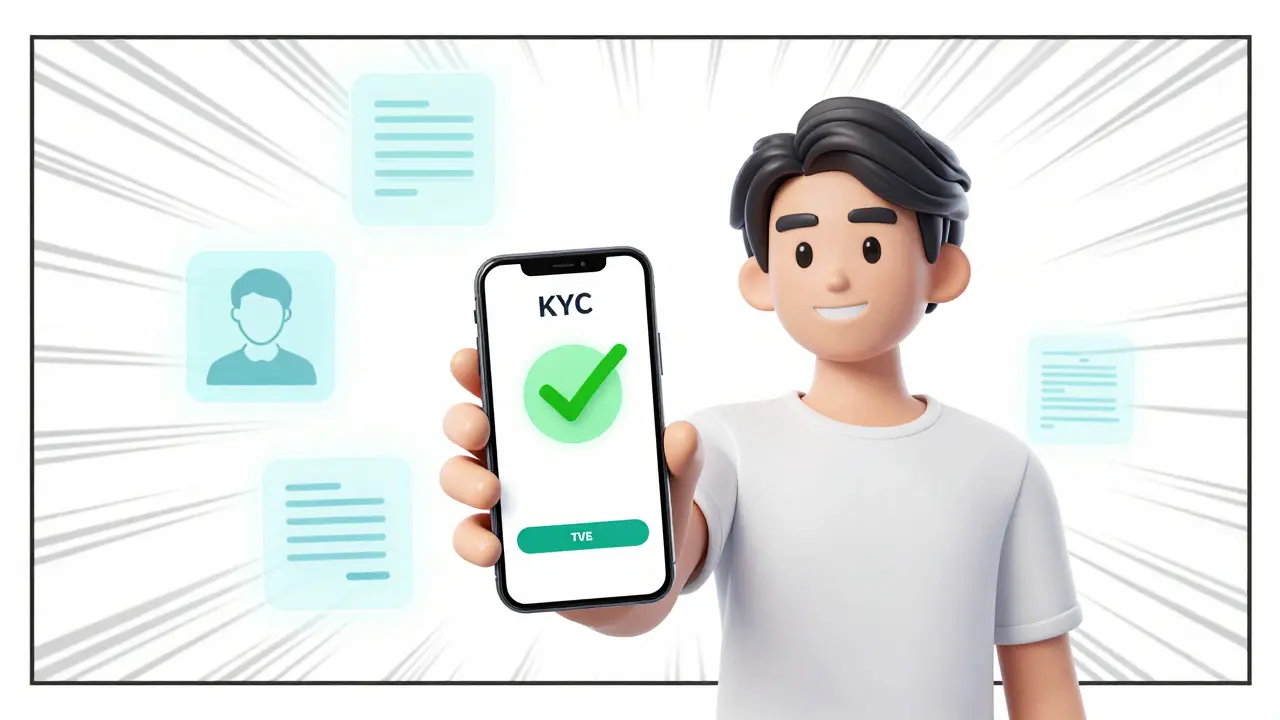
If you want to trade seriously on Nami, you cannot stay anonymous. The platform requires mandatory KYC (Know Your Customer) is a verification process where users prove their identity to comply with anti-money laundering laws. verification for full access. As of November 13, 2024, Nami updated this process to make it smoother.
Previously, users had to hold up their physical ID cards during video verification. Now, they removed that step. Here is how the six-step process works now:
- Log into the Nami mobile application (web verification is not supported).
- Select "Account" and then "Unverified" to start the process.
- Fill in your personal information fields accurately.
- Add a payment method to link your bank account or card.
- Upload clear images of your ID card or passport. Ensure all four corners are visible.
- Record a facial verification video. You no longer need to display the physical document on camera, just your face.
This update speeds up onboarding, but remember: once your account is verified, Nami reserves the right to immediately suspend accounts if they detect high-risk activity or if the account is beneficially owned by related entities involved in illicit behavior. This power, documented by WalletScrutiny.com, is standard for compliant exchanges but can feel harsh if you’re flagged incorrectly.
Fees, Leverage, and Trading Features
Let’s talk about costs and capabilities. Nami supports leverage up to x125 on futures contracts. That’s high leverage, which means high risk. If you’re new to trading, stick to spot trading. With x125 leverage, a mere 0.8% move against your position can liquidate your entire balance.
While specific fee schedules can change, Nami generally follows a maker-taker model. Because it’s a regional exchange, fees might be competitive for Vietnamese users due to lower withdrawal costs for local fiat currencies. However, international users might find hidden costs in currency conversion or slower processing times for cross-border withdrawals.
The platform also boasts 24/7 live support in both Vietnamese and English. This is a huge plus. Many global exchanges struggle with response times, but Nami’s localized team tends to be more responsive to local issues. However, technical documentation for developers is sparse. There are no prominent GitHub repositories or extensive API docs compared to giants like Kraken or Bitfinex, which limits its appeal for algorithmic traders.
How Nami Compares to Global Giants
| Feature | Nami Exchange | Binance / Coinbase |
|---|---|---|
| Primary Market | Vietnam & Southeast Asia | Global |
| Security Rating (Independent) | D (Low - No Pen Test) | A/B+ (High - Regular Audits) |
| Compliance Partner | Chainalysis | Various (Chainalysis, Elliptic) |
| Language Support | Vietnamese, English | Multiple Languages |
| Leverage | Up to x125 | Varies (often capped lower for retail) |
| User Base | Regional | Millions Worldwide |
As you can see, Nami trades global reach and proven security infrastructure for deep local integration. If you are in Hanoi or Ho Chi Minh City, Nami might be easier to use than trying to wire dollars to Binance. If you are in New York or London, Nami offers little advantage over established local options.
User Experience and Community
TrustFinance.com aggregates 145 user reviews for Nami, resulting in a middling 45 TrustScore. What do people complain about? Mostly KYC delays. Even with the streamlined process, some users report waiting days for verification approval. Others praise the responsive customer service once they are verified.
The community is active but segmented. Nami maintains separate Telegram groups: "CongdongNamiVietnam" for local speakers and "NamiGlobalGroup" for international users. This separation highlights their primary focus. Reddit discussions about Nami are scarce in Western circles, indicating that its reputation is largely confined to Southeast Asia. If you rely on community sentiment for trading signals, you’ll need to join those Telegram channels rather than checking Twitter or Reddit.
Final Thoughts: Should You Use Nami in 2026?
Nami Exchange is a double-edged sword. On one side, it offers excellent localization, strong compliance partnerships with Chainalysis, and easy access for Vietnamese traders. On the other, it lacks the rigorous independent security auditing that protects your funds on larger platforms. The D security rating is not something to ignore.
If you are a Vietnamese resident looking for a convenient way to trade crypto with local fiat, Nami is a viable option. Just keep your balances reasonable. Don’t treat it like a cold storage wallet. Use it for trading, and move long-term holdings to a hardware wallet. If you are an international trader, I’d recommend sticking to exchanges with higher security scores and broader liquidity unless you have a specific reason to need Nami’s features.
Is Nami Exchange safe for beginners?
Nami has strict KYC and compliance measures, which is good for safety. However, its low independent security rating (D) means it hasn't undergone rigorous penetration testing. Beginners should use caution, start with small amounts, and enable all available security features like 2FA. It is safer than unregulated dark web markets, but less secure than top-tier global exchanges.
Can I use Nami Exchange outside of Vietnam?
Yes, Nami accepts international users and has an English interface and Telegram group. However, liquidity might be lower for certain pairs, and fiat deposit/withdrawal options may be limited or expensive depending on your location. It is primarily optimized for Southeast Asian users.
Why does Nami have a D security rating?
The D rating from cer.live comes from the lack of publicly disclosed penetration tests and the absence of an active bug bounty program. These are standard practices for top exchanges to identify and fix vulnerabilities before hackers exploit them. Nami relies on its Chainalysis partnership for compliance security, but this doesn't replace technical code auditing.

Nick Rice
June 13 2026Look, I get the appeal for folks in Vietnam, but that D security rating is a massive red flag. You are putting your life savings on a platform that hasn't been penetration tested? That's reckless. Stick to the big players if you value your capital.
Amit Thakur
June 14 2026The liquidity depth on Nami is practically non-existent for altcoins compared to Binance or Kraken. Slippage will eat your margins alive if you try to move any significant volume. It's a niche tool at best, not a primary exchange.
Eric Scheinberg
June 14 2026It is imperative to note that the lack of SOC 2 certification indicates a fundamental gap in their operational security framework. One should not underestimate the risks associated with unverified smart contract integrations and custodial solutions.
pankaj chawla
June 16 2026I think we need to give them some credit for improving the KYC process though. Removing the physical ID hold step was a smart move for user experience. It makes onboarding much smoother for new users who are intimidated by complex verification steps.
Jessica Lane
June 17 2026Can anyone confirm if the Chainalysis integration actually helps with faster withdrawals or just blocks suspicious activity? I'm curious how this impacts the average trader's daily operations. Does it mean less downtime for maintenance?
Charles Pawlikowski
June 19 2026typical crypto scam vibes :/ why do people trust these regional exchanges when they have no real oversight. keep your money in cold storage or you will lose it all. simple as that.
Andrea Burd
June 20 2026honestly the ui looks dated and the support tickets take forever to get answered. i tried using it last year and gave up after three days of waiting for a reply. total waste of time tbh.
Akeem Whittaker
June 22 2026You guys are missing the point entirely. If you live in Vietnam and need to convert VND to USDT without dealing with bank freezes, Nami is currently one of the few viable options. The security risk is real, but so is the regulatory risk of using offshore exchanges. It's about risk management, not just picking the 'safest' global giant.
Manish Prajapat
June 24 2026Perhaps the issue lies in our definition of safety. Is it technical robustness or regulatory compliance? Nami seems to prioritize the latter through Chainalysis, which might be more important for local users facing government scrutiny than a bug bounty program.
John Doe
June 24 2026I literally lost half my position because the leverage liquidation engine glitched during high volatility. Support said 'market conditions.' Unbelievable. Do not use futures here unless you want to gamble.
Mekz Wheoki
June 26 2026Ah yes, another 'secure' exchange with a D rating. How original. I suppose we should all just ignore basic cybersecurity principles because it's convenient for local fiat on-ramps. Delightful.
Skm Shubham
June 27 2026The data clearly shows that platforms without regular pen tests are prime targets for sophisticated hacking groups. Nami is sitting duck. Anyone holding significant funds there is essentially donating to hackers.
Rob Aronson
June 28 2026From a DeFi perspective, the lack of API documentation is a dealbreaker. 📉 No GitHub repos means no community audits. You're flying blind. 🚫
Kwon Bill
June 30 2026In Southeast Asia, the regulatory landscape is shifting rapidly. Nami's partnership with Chainalysis is likely a strategic move to preempt future bans. For local traders, this compliance layer is worth more than a perfect security score from an obscure auditing firm.
Danna Charris
June 30 2026Precisely. It is a tool for a specific demographic. Expecting it to compete with Coinbase on security metrics is like expecting a food truck to have the same kitchen infrastructure as a Michelin-star restaurant. Different purposes.
Fede Faith
July 1 2026If you decide to use it, please enable 2FA immediately. Use an authenticator app, not SMS. And never leave more than what you plan to trade in the next 24 hours. Treat it like a hot wallet, not a vault.
Josh Dodson
July 1 2026i used it for a bit and it was okay for small trades. but yeah dont keep your long term holdings there. move em to a ledger asap. stay safe out there!
Suman Patil
July 2 2026Let's not be too harsh. They are a startup in a tough market. The fact that they are trying to integrate compliance tools is a step in the right direction. We should encourage innovation while maintaining healthy skepticism.
Kumaran sowkarpet
July 3 2026My friends in Hanoi say the customer service is actually quite good when you speak Vietnamese. Maybe the English support is lagging behind. Worth a try if you can navigate the language barrier :)
Mauricio Contreras Loredo
July 5 2026Sure, let's all ignore the D rating and pretend it doesn't matter. Because nothing says 'trust us with your millions' like failing basic security standards. Classic.