Trying to buy Bitcoin with your Nigerian bank account can feel like navigating a maze where the walls keep moving. You’re not alone if you’ve stared at your screen wondering why your debit card got declined or why that one platform suddenly stopped supporting Naira deposits. Since the Central Bank of Nigeria (CBN) tightened its grip on banking relationships with crypto exchanges back in 2021, the path from Naira to digital assets has become less direct, but definitely not impossible.
The good news? The market adapted. By 2026, several reliable routes exist for converting Nigerian Naira into cryptocurrency without jumping through endless hoops. Whether you prefer the speed of peer-to-peer trading, the simplicity of dedicated brokers, or the security of major global exchanges, there’s a method that fits your risk tolerance and technical comfort level. This guide breaks down exactly how to get it done today, cutting through the noise to give you actionable steps.
Key Takeaways
- P2P is King: Peer-to-Peer platforms like Binance and Bybit remain the most liquid and flexible options for buying crypto with Naira due to direct bank transfers.
- Direct On-Ramps are Growing: Platforms like Blockchain.com now support direct Naira deposits, removing the need for complex conversions.
- KYC is Non-Negotiable: Expect identity verification delays; having your BVN and utility bills ready speeds up the process significantly.
- Regulatory Clarity is Slow: While ownership is legal, banking restrictions persist, so always have a backup payment method or platform.
- Fees Vary Wildly: Compare spreads and network fees carefully; what looks cheap on one platform might cost more after withdrawal.
Understanding the Current Regulatory Landscape
Before you send a single Naira, you need to understand the rules of the game. In February 2021, the CBN instructed banks to close accounts belonging to crypto exchanges and fintechs facilitating crypto transactions. This wasn’t a ban on owning Bitcoin-it was a ban on banks serving as the middleman for large-scale institutional trading.
Fast forward to 2026, and the situation has stabilized into a gray area that works for individuals. The Securities and Exchange Commission (SEC) of Nigeria has stepped in to provide a framework for Digital Asset Service Providers (DASPs). This means legitimate exchanges must register and comply with anti-money laundering laws, which actually protects you as a buyer. However, commercial banks still often flag or block transactions labeled as "crypto." To avoid this, many users use generic descriptions like "software services" or "IT consulting" when making bank transfers, though transparency with your specific bank manager is usually safer.
Foreign nationals living in Nigeria face slightly different hurdles. You generally need a valid residence permit and proof of address to pass KYC checks. If you’re just visiting, sticking to P2P platforms with smaller transaction limits or using international cards on global exchanges is often easier than trying to open a local bank account linked to a crypto wallet.
Method 1: Peer-to-Peer (P2P) Trading
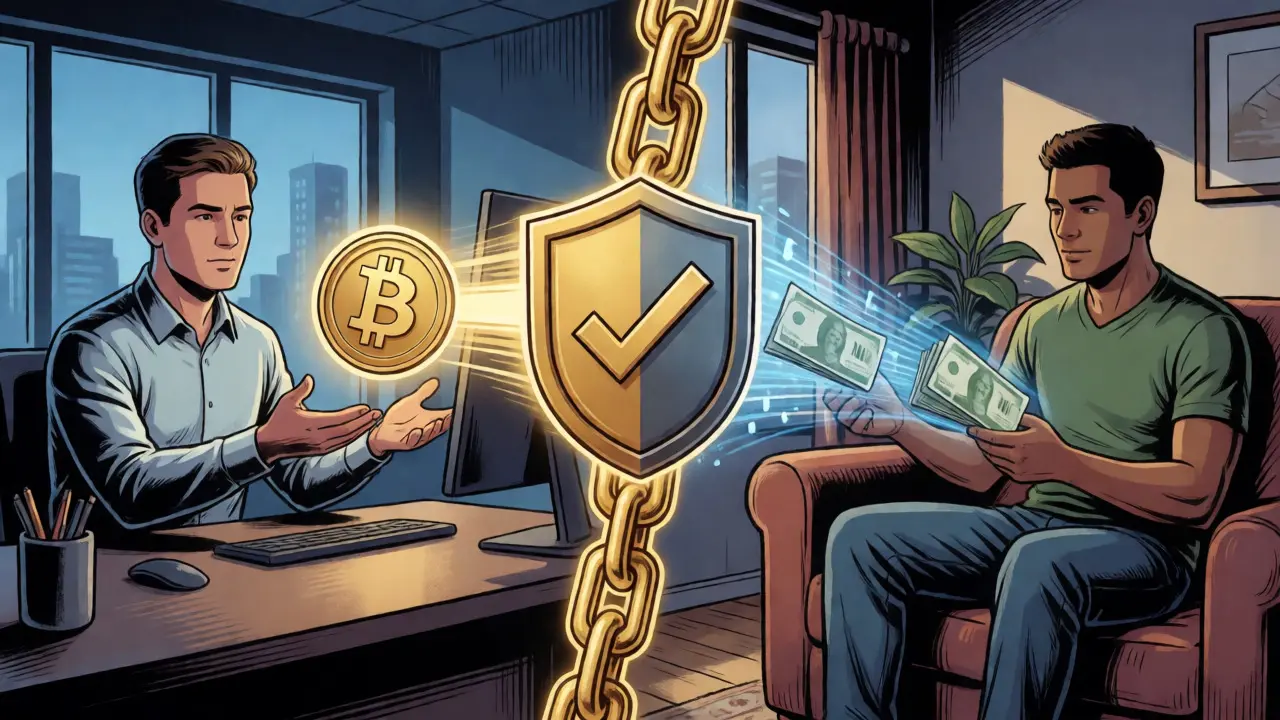
If you want the best rates and the widest selection of sellers, P2P trading is your go-to. Think of it as Craigslist for currency: you find someone willing to sell you USDT or Bitcoin, you transfer Naira directly to their bank account, and they release the crypto from escrow.
Binance remains the heavyweight here, but Bybit has gained massive traction among Nigerians for its user-friendly interface and competitive spread. Here’s how the typical flow works on these platforms:
- Select Your Pair: Choose NGN as your fiat currency and pick your target asset (usually USDT first, then swap to BTC or ETH).
- Filter Sellers: Look for merchants with high completion rates (above 95%) and fast release times. Avoid new accounts with zero history.
- Initiate Order: Enter the amount of Naira you want to spend. The platform locks the seller’s crypto in escrow.
- Make Payment: Send the exact amount via bank transfer to the seller’s provided details. Do not add extra money unless specified.
- Confirm Payment: Click "I have paid" in the app. Upload proof of payment if requested.
- Receive Crypto: Once the seller confirms receipt, the crypto is released to your spot wallet.
A critical tip for P2P success: never communicate outside the platform chat. If a seller asks you to move to WhatsApp immediately, be cautious. Scammers often try to lure buyers off-platform to fake receipts. Also, ensure your bank name matches the name on your crypto account exactly. Mismatched names are the number one reason for frozen funds during disputes.
Method 2: Direct Fiat On-Ramps
For those who hate the hassle of finding individual sellers, direct on-ramps are a lifesaver. These platforms integrate directly with Nigerian payment gateways, allowing you to buy crypto instantly with a card or bank transfer.
Blockchain.com made headlines by officially supporting Naira deposits, a huge win for accessibility. Unlike P2P, you don’t negotiate prices; you pay the ask price plus a service fee. The process is streamlined: sign up, verify ID, deposit Naira via bank transfer or card, and buy. The trade-off? Fees are typically higher than P2P, ranging from 1% to 4% depending on the payment method. Credit card purchases often incur higher fees than bank transfers due to processing costs charged by Visa or Mastercard.
Another strong contender is Changelly, which acts as an aggregator. It doesn’t hold your funds long-term but finds the best rate among partner exchanges. Changelly supports various payment methods including Apple Pay and Google Pay, which is convenient for users who prefer mobile wallets over traditional banking apps. Note that for transactions exceeding $150, stricter KYC requirements kick in, so have your passport and utility bill ready.
Method 3: Local Brokers and OTC Services
If you’re dealing with larger amounts-say, above ₦5 million-individual P2P trades become tedious. This is where Over-the-Counter (OTC) desks shine. Breet is a prime example of a specialized platform popular in Nigeria for selling crypto, though it also facilitates certain buying mechanisms through partners. Breet focuses on simplicity: you connect your wallet, select the coin, and receive Naira straight to your bank account.
While Breet is primarily known for selling, other local brokers offer similar services for buying. The advantage here is speed and certainty. You get a fixed quote, and the settlement happens quickly. The downside is limited liquidity compared to global exchanges and potentially wider spreads for very large orders. Always check reviews on Twitter or Telegram groups before trusting a new OTC desk with significant capital.
| Feature | P2P Trading (Binance/Bybit) | Direct On-Ramp (Blockchain.com) | Local Broker (Breet/OTC) |
|---|---|---|---|
| Best For | Small to medium traders seeking low fees | Beginners wanting simplicity | Large volume sellers/buyers |
| Payment Speed | Variable (depends on seller) | Instant to few hours | Instant to same day |
| Fees | Low (0.1% - 1%) | Moderate to High (1% - 4%) | Moderate (Spread-based) |
| Risk Level | Medium (Escrow protection) | Low (Regulated entity) | Low to Medium (Reputation dependent) |
| Technical Skill | Intermediate | Beginner | Beginner |
Step-by-Step: Setting Up Your First Purchase
Let’s walk through a concrete example using a hybrid approach that balances safety and cost. We’ll assume you’re starting with zero crypto and a standard Nigerian bank account.
First, download a reputable exchange app like Binance or Bybit. Don’t just install it; take ten minutes to complete the Know Your Customer (KYC) verification. Upload your National ID or International Passport and a selfie. Most Nigerian users report approval within 24 hours, but weekends can slow this down. While waiting, fund your bank account.
Once verified, navigate to the P2P section. Select "Buy" and filter for "NGN." Sort by "Price" to see the cheapest offers, but don’t ignore the "Completion Rate" column. Aim for merchants with over 500 completed trades. Place a small test order first-maybe ₦50,000 worth of USDT. Transfer the money from your bank app. Keep the screenshot handy. Mark the order as paid. Wait for the seller to release.
Now you have USDT. Why USDT? Because it’s stable. From there, go to the Spot Market and trade USDT for Bitcoin or Ethereum. This two-step process (Fiat -> Stablecoin -> Crypto) often yields better rates than buying Bitcoin directly with Naira because stablecoins have deeper liquidity pools. If you plan to hold long-term, consider moving your coins to a self-custody wallet like MetaMask or Trust Wallet after purchase to reduce counterparty risk.
Common Pitfalls and How to Avoid Them
Even experienced traders get tripped up. One frequent issue is payment reference errors. When sending money to a P2P seller, ensure the description field in your bank transfer is blank or says something neutral. Never write "Bitcoin" or "Crypto," as some banks automatically reverse such transactions based on internal compliance filters.
Another trap is ignoring network fees. If you buy Bitcoin on an exchange and withdraw it to a personal wallet, you’ll pay a network fee. During congested periods, this fee can spike unexpectedly. Check current gas fees before withdrawing. For Ethereum, Layer 2 solutions like Arbitrum or Polygon can save you significant amounts compared to the mainnet.
Finally, beware of fake customer support agents. Scammers create duplicate profiles on social media, claiming to represent major exchanges. They DM you saying your account is locked and ask for your seed phrase. Remember: no legitimate support agent will ever ask for your private key or seed phrase. If you suspect fraud, contact support only through the official app or website chat.
Future Outlook: What’s Next for Nigerian Crypto?
The trajectory is positive. As more global platforms recognize the size of Nigeria’s crypto market-which ranks among the highest globally in adoption-we expect tighter integrations with local payment rails like USSD and mobile money providers. The SEC’s ongoing efforts to license DASPs should eventually lead to clearer tax guidelines, reducing uncertainty for serious investors.
Keep an eye on developments regarding the eNaira. While it hasn’t replaced crypto yet, interoperability between central bank digital currencies and decentralized assets could simplify cross-border payments for Nigerian freelancers and businesses. For now, staying agile and diversified across two or three platforms is the smartest strategy.
Is it legal to buy cryptocurrency in Nigeria?
Yes, owning and trading cryptocurrency is legal for individuals in Nigeria. The Central Bank of Nigeria restricts banks from facilitating crypto transactions for exchanges, but it does not prohibit citizens from holding or trading digital assets. The SEC regulates Digital Asset Service Providers, adding a layer of legitimacy to registered platforms.
Which payment method is cheapest for buying crypto with Naira?
Bank transfers via P2P platforms are generally the cheapest option, often costing less than 1% in total fees. Credit and debit card purchases typically incur higher processing fees (2-4%). Mobile money transfers may vary depending on the provider’s integration with specific exchanges.
Do I need to pay taxes on crypto profits in Nigeria?
As of 2026, the tax landscape is evolving. Capital gains tax principles apply, but enforcement on individual retail traders is still developing. Large businesses and licensed exchanges are required to report transactions. It is advisable to keep detailed records of all purchases and sales and consult a local tax professional for personalized advice.
Can foreigners buy crypto in Nigeria?
Yes, foreigners can buy crypto in Nigeria. You will need to complete KYC verification using your international passport and proof of address. Some platforms may require additional documentation, such as a visa or residence permit, to comply with local anti-money laundering regulations.
What happens if my bank blocks a crypto transaction?
If your bank flags a transaction, the funds are usually returned to your account within a few days. To prevent this, avoid using keywords like "crypto" or "bitcoin" in transfer descriptions. Use generic terms like "service fee" or leave the description blank. Having multiple bank accounts can also help if one institution becomes overly restrictive.