

Imagine trying to buy a digital asset when your bank treats it like radioactive waste. For years, that was the reality for Jordanians wanting to trade cryptocurrency. The Central Bank of Jordan (CBJ) didn’t just discourage crypto; they effectively banned its use in the formal financial system. Yet, people still traded. How? By going underground.
This isn't just history. With the new Virtual Assets Transactions Regulation Law taking effect in September 2025, the landscape has shifted dramatically. But understanding how Jordanians survived the pre-2025 era explains why this change matters so much. It reveals a story of resilience, risk, and a massive brain drain that the new law aims to fix.
The Great Ban: When Banks Said No
Before the regulatory shift, Jordan’s stance on digital currencies was clear-cut: prohibition. The Central Bank of Jordan issued strict warnings against using cryptocurrencies within the local financial ecosystem. They cited high risks-volatility, money laundering concerns, and consumer protection gaps-as reasons to keep Bitcoin and Ethereum out of Jordanian banks.
This wasn't a soft suggestion. If you tried to wire money to an international exchange or pay for goods with crypto, you hit a wall. Local banks refused to process transactions linked to virtual assets. This created a legal vacuum. You weren't technically breaking a criminal law by holding Bitcoin, but you were operating outside the protected boundaries of the banking system. For many, this meant their money was stuck in a gray zone, neither fully legal nor explicitly illegal, but certainly unwelcome in traditional finance.
P2P Markets: The Lifeline for Jordanian Traders
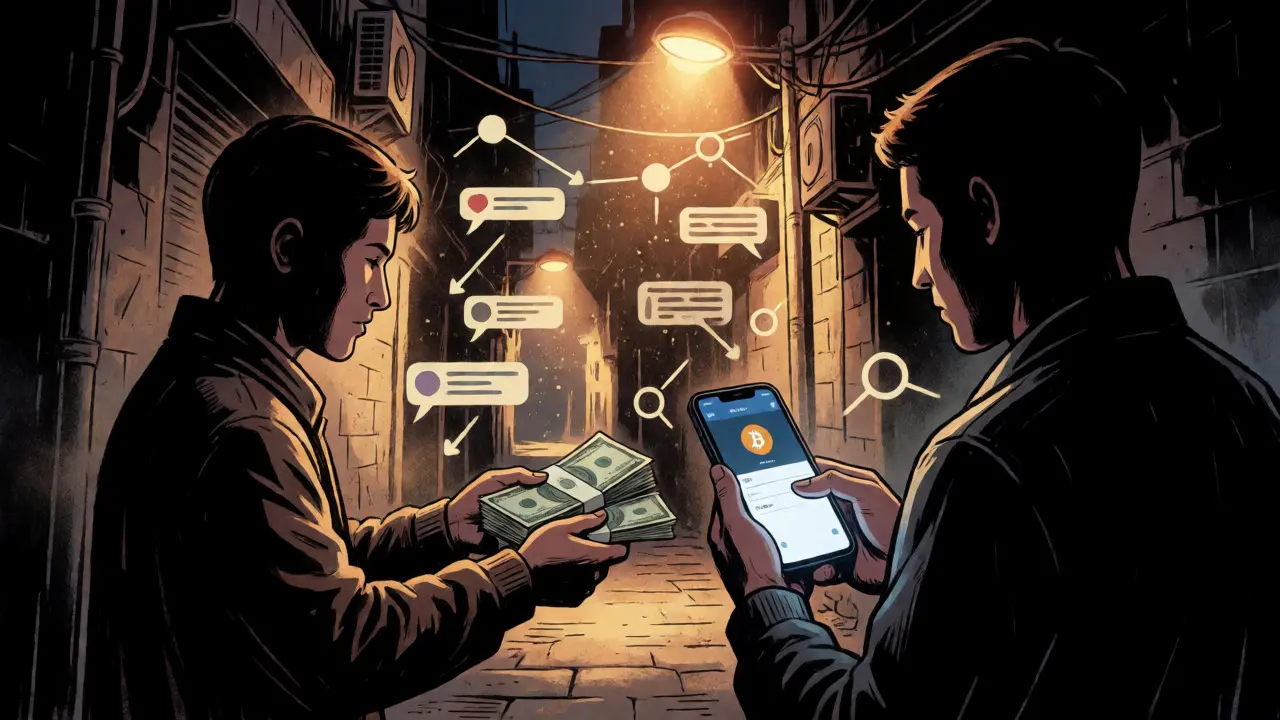
If banks wouldn't help, who would? The answer was each other. Jordanians turned to Peer-to-Peer (P2P) markets. This method bypassed the need for bank intermediation entirely. Two individuals would agree on a price, one sending cash via local transfer methods or meeting in person, while the other released crypto from their wallet.
Talal Tabbaa, Co-Founder and CEO of CoinMENA, highlighted this dynamic. He noted that before proper regulation, Jordanians had no choice but to rely on "unregulated P2P markets." These networks operated informally, often through social media groups or specialized platforms that didn't require direct banking integration for settlement. It worked, but it came with significant downsides.
- No Insurance: If a counterparty scammed you, there was no regulatory body to complain to.
- Liquidity Issues: Finding a buyer or seller at fair market value could take days.
- Security Risks: Physical cash exchanges or unverified digital transfers opened doors to fraud.
Despite these risks, the P2P ecosystem thrived because it offered access where institutions provided none. It proved that demand for digital assets in Jordan was real, regardless of official policy.
The Brain Drain: Talent Fleeing Restriction
One of the most surprising consequences of these banking restrictions wasn't just about retail traders-it was about talent. Jordan has a vibrant tech scene, but the lack of a regulated crypto environment pushed skilled developers and entrepreneurs abroad. Tabbaa himself left to build CoinMENA, recognizing that staying in Jordan meant fighting against the current rather than riding the wave.
This phenomenon is known as brain drain. When a country prohibits innovative financial tools, its brightest minds often relocate to jurisdictions that embrace them. In the MENA region, countries like the UAE emerged as hubs, hosting over 500,000 daily crypto traders under a robust legal framework. Jordan, meanwhile, watched its potential fintech leaders pack their bags for Dubai or Bahrain, leaving local startups struggling to compete.
The economic cost was steep. By banning crypto, Jordan inadvertently stifled innovation in its own financial sector. Startups couldn't raise funds through token sales easily, and investors lacked secure venues to deploy capital. The result was a missed opportunity to become a regional leader in digital finance.
Regional Context: Jordan Among Prohibitive Neighbors
Jordan wasn't alone in its restrictive approach. Several other Middle Eastern nations maintained similar stances. Countries like Kuwait, Egypt, and Iraq also prohibited or heavily restricted the use of virtual assets. This created a fragmented regional market where cross-border crypto payments were complicated by varying national policies.
| Country | Regulatory Status (Pre-2025) | Primary Access Method | Key Challenge |
|---|---|---|---|
| Jordan | Banned in banking system | Unregulated P2P | Lack of consumer protection |
| Egypt | Religious and legal prohibitions | Informal markets | Cultural resistance |
| Kuwait | Prohibited | Offshore accounts | Limited local infrastructure |
| UAE | Regulated & Licensed | Licensed Exchanges | High competition |
This comparison highlights the disadvantage Jordan faced. While neighbors like the UAE attracted global capital with clear rules, Jordan remained isolated. Investors seeking exposure to the Middle East's growth often skipped Jordan entirely, opting for jurisdictions where their rights were legally defined.

The Shift: Law No. 14 of 2025 Changes Everything
All that changed with the enactment of Law No. 14 of 2025. Published in the Official Gazette and effective September 14, 2025, this legislation marks a revolutionary shift. It doesn't just tolerate crypto; it regulates it. The law provides clear definitions, licensing requirements, and compliance obligations for Virtual Asset Service Providers (VASPs).
Under this new framework, virtual assets are defined as "digital representations of value" that can be traded, transferred, or used for payment. This includes Bitcoin, Ethereum, stablecoins, and NFTs. Crucially, it excludes central bank digital currencies and existing securities, keeping the regulatory lanes distinct.
Now, VASPs must obtain licenses from the Jordan Securities Commission (JSC). They need a registered office in Jordan and must adhere to strict anti-money laundering standards. This structure aims to eliminate the wild west nature of the previous P2P markets, offering users the security and oversight they previously lacked.
What This Means for the Future
The goal is straightforward: retain talent and foster innovation. By providing a legal pathway for crypto trading, Jordan hopes to reverse the brain drain. Talal Tabbaa expressed optimism that the new framework would allow Jordan to "retain its top talent, foster innovation, and unlock exciting new opportunities."
For the average Jordanian, the benefits are practical. Instead of risking fraud in informal P2P deals, they can now use licensed exchanges. These platforms offer better liquidity, transparent pricing, and customer support backed by law. The era of hiding crypto trades from bankers is ending, replaced by a structured, compliant market.
This transition also positions Jordan as a serious player in the MENA digital finance space. By learning from the successes of the UAE and Bahrain, Jordan avoids the pitfalls of early adoption while establishing a modern regulatory environment. The question now isn't whether Jordan will participate in the crypto economy, but how quickly it can scale up to meet the pent-up demand.
Was crypto completely illegal in Jordan before 2025?
No, holding crypto wasn't strictly illegal for individuals, but using it in the formal banking system was prohibited. The Central Bank of Jordan banned banks from facilitating crypto transactions, forcing users into unregulated peer-to-peer markets.
How did Jordanians buy Bitcoin without banks?
They relied on Peer-to-Peer (P2P) networks. Individuals would exchange cash directly for crypto, often meeting in person or using informal transfer methods, bypassing the need for bank wires or credit card payments.
What is the Virtual Assets Transactions Regulation Law?
Enacted in 2025, this law establishes a legal framework for virtual assets in Jordan. It requires service providers to obtain licenses from the Jordan Securities Commission and defines rules for trading, custody, and payments involving digital currencies.
Did banking restrictions cause a brain drain in Jordan?
Yes. Many fintech entrepreneurs and developers left Jordan for regions with clearer crypto regulations, such as the UAE. Leaders like Talal Tabbaa of CoinMENA cited the lack of local regulatory clarity as a key reason for moving operations abroad.
Are stablecoins covered by the new Jordanian law?
Yes, the law covers stablecoins not issued by central banks. However, it excludes digital representations of fiat currency issued by the Central Bank of Jordan and existing investment funds, which fall under separate regulations.