
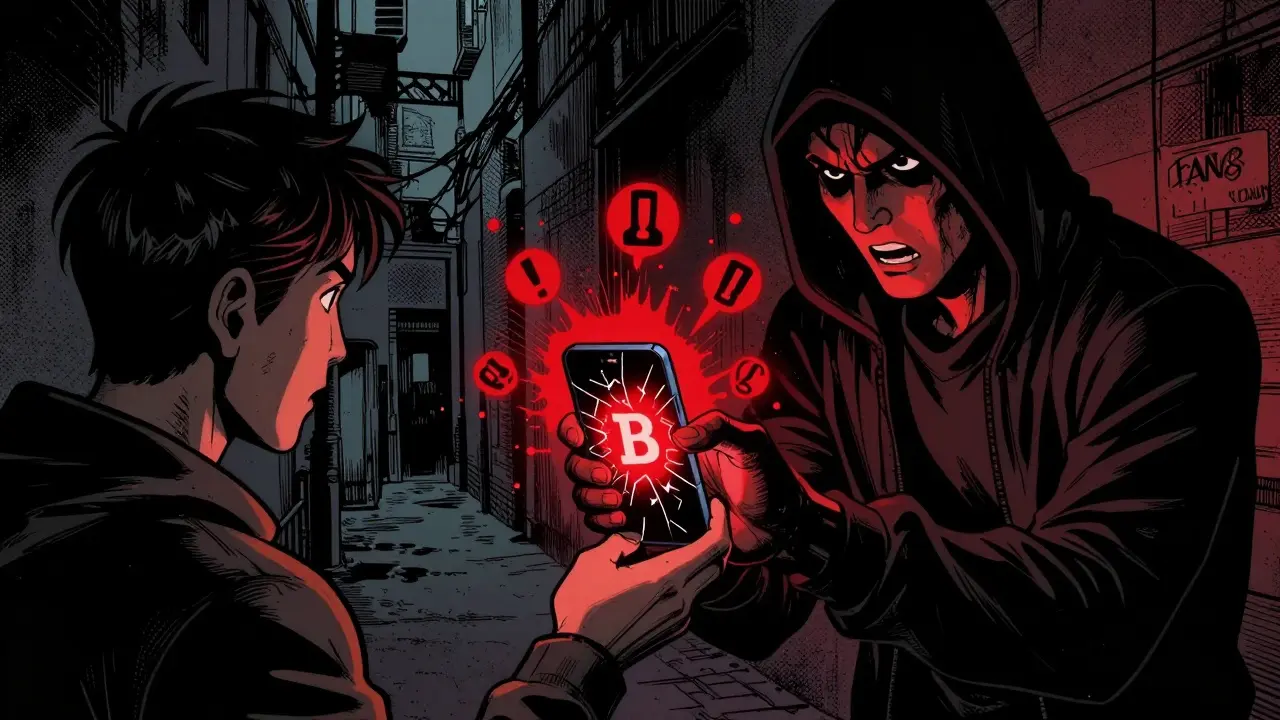
You’ve likely seen the pop-ups or Telegram messages promising free FAN8 tokens. The promise is simple: connect your wallet, complete a few tasks, and receive valuable cryptocurrency for doing almost nothing. It sounds too good to be true because, in the case of FAN8, it probably is. As we move through mid-2026, the landscape of crypto airdrops has become increasingly sophisticated, but so have the scams designed to drain wallets.
Here is the hard truth upfront: there is no credible, official evidence of a legitimate FAN8 cryptocurrency project conducting a verified public airdrop program. While FAN8 appears on some tracking sites, it lacks the community presence, developer activity, and transparent documentation that characterize genuine projects like those from Berachain or Story Protocol. This article will help you understand why this specific token raises red flags, how to distinguish between real opportunities and traps, and what steps you should take to protect your digital assets.
The Reality of the FAN8 Token
To understand whether an airdrop is worth pursuing, you first need to understand the asset itself. FAN8 is a cryptocurrency token listed on minor tracking platforms with negligible trading volume. According to data from major aggregators like CoinMarketCap, FAN8 often shows a price of $0 USD and zero 24-hour trading volume. In the world of decentralized finance (DeFi), liquidity is life. If no one is buying or selling the token, it has no market value. An airdrop of worthless tokens is not a reward; it’s a distraction.
Genuine airdrops come from projects that have raised significant venture capital, built active testnets, and established clear utility. For context, look at the Berachain EVM-compatible blockchain focused on proof-of-liquidity consensus mechanism airdrop in 2025. They distributed 79 million BERA tokens to users who actively participated in their ecosystem. Compare that to FAN8, which has no visible whitepaper, no known development team, and no presence on reputable airdrop aggregation sites like Airdrops.io or Foresight News. The absence of information is itself a critical data point. Legitimate projects shout about their distributions; shady ones whisper through spam bots.
Why You Are Seeing FAN8 Promotions
If the project is obscure and the token is illiquid, why are you seeing ads for it? The answer lies in the economics of crypto scams. Scammers don’t always steal your money directly by asking for a deposit. Instead, they use airdrops as bait to get you to interact with malicious smart contracts.
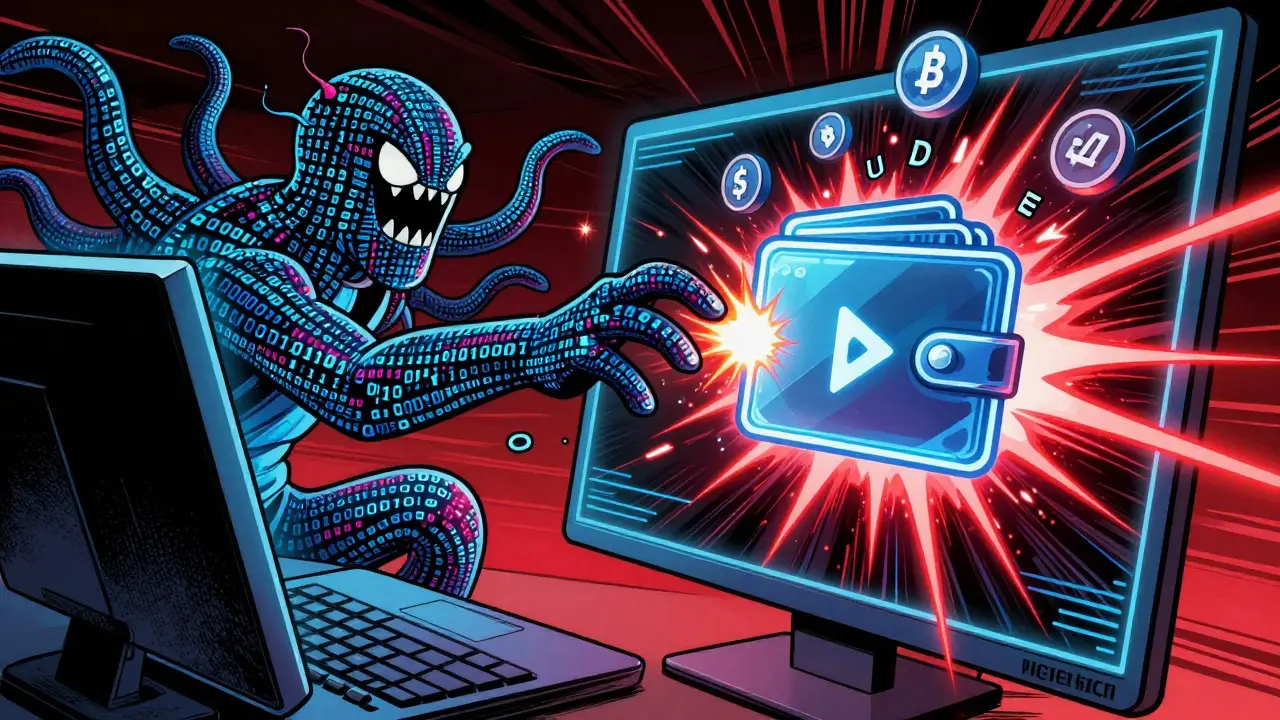
When you visit a fake FAN8 airdrop site, you are usually asked to connect your wallet-likely MetaMask, Phantom, or Trust Wallet-to "claim" your rewards. Once connected, the site may prompt you to approve a transaction. This approval can grant the scammer unlimited access to your wallet contents. They might drain your ETH, SOL, or USDT instantly, or they might wait and slowly siphon off funds over time. This technique, known as a "wallet drainer," is one of the most common threats in the 2026 crypto space.
Another possibility is that these promotions are merely ad-farms. By driving traffic to these pages, scammers earn revenue from clicks and views. Your engagement fuels their income, while you receive nothing but a headache. Understanding this motive helps you see the pattern: if a project offers high-value rewards for minimal effort without any brand recognition, it is almost certainly a trap.
How to Verify Any Crypto Airdrop
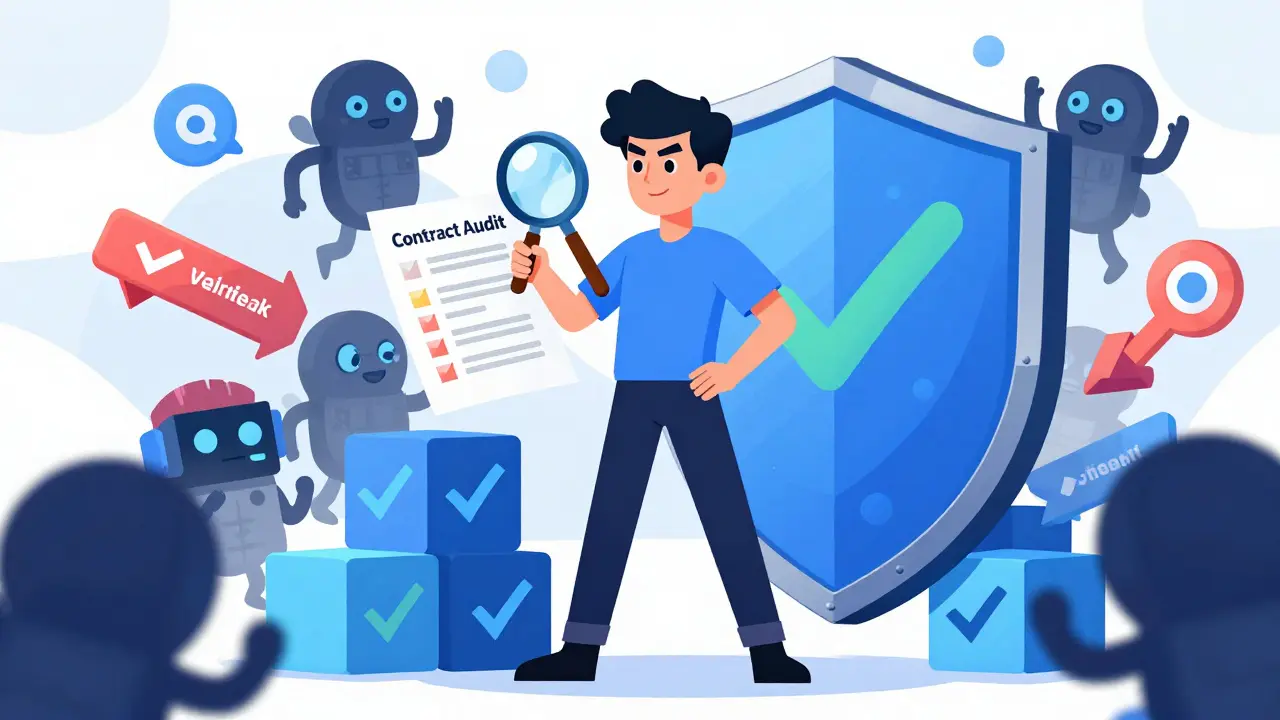
Not every unknown token is a scam, but every unknown token requires extreme caution. Before participating in any distribution, including potential future announcements from FAN8 or similar projects, run through this verification checklist. These steps apply to any airdrop you encounter in 2026.
| Check Point | Legitimate Project Signs | Scam Red Flags |
|---|---|---|
| Official Channels | Announcements on verified Twitter/X accounts with blue checks, official Discord servers with active moderators, and detailed Medium blogs. | Links shared only via anonymous Telegram DMs, unverified social media accounts, or comment sections on YouTube videos. |
| Token Contract | Contract address is audited by firms like CertiK or OpenZeppelin. Source code is verified on Etherscan/Solscan. | Unverified contract code, or the contract allows the owner to mint infinite tokens or blacklist addresses. |
| Liquidity & Trading | Listed on major exchanges (Binance, Coinbase) or deep liquidity pools on Uniswap/Raydium. Consistent trading volume. | Only tradeable on obscure DEXs with near-zero volume. Price charts show flat lines or erratic spikes followed by crashes. |
| Team Transparency | Public founders with LinkedIn profiles, past project history, and regular community AMAs (Ask Me Anything). | Anonymous team members, stock photos, or stolen identities from other projects. |
| Airdrop Mechanics | Clear eligibility criteria based on past on-chain activity (e.g., using a testnet). No request for private keys or seed phrases. | Requests for upfront gas fees paid in a different token, asks for private keys, or uses phishing URLs that mimic popular brands. |
The Difference Between Real Airdrops and FAN8
To put the FAN8 situation into perspective, let’s look at how legitimate airdrops operated in recent years. Projects like Kaito AI AI-powered search engine for crypto data that rewarded early users and Story Protocol Blockchain infrastructure for intellectual property rights management didn’t just give away tokens randomly. They rewarded specific behaviors. Kaito gave tokens to holders of Genesis NFTs and participants in their "Yaps" social program. Story Protocol rewarded testers and early contributors who helped build their network.
These projects had clear goals: decentralization, user acquisition, and community building. The airdrop was a marketing tool backed by real product usage. In contrast, FAN8 offers no product to use. There is no app, no platform, and no service. Without utility, the token has no intrinsic value. When you see an airdrop that doesn’t require you to do anything useful-like testing a network or providing liquidity-it is likely trying to harvest your wallet permissions rather than reward your loyalty.
Protecting Your Wallet in 2026
Given the prevalence of fake airdrops like FAN8, security must be your top priority. Even if you’re skeptical, curiosity can lead to mistakes. Here are practical steps to keep your assets safe.
- Use a Burner Wallet: Never connect your main holding wallet to new or unverified websites. Create a separate wallet with minimal funds for interacting with new protocols. If it gets drained, your primary assets remain untouched.
- Revoke Permissions Regularly: Use tools like Revoke.cash or Solana’s revoke features to check which contracts have access to your wallet. If you accidentally approved a malicious contract, revoke it immediately.
- Verify URLs Manually: Phishing sites often use slight variations of legitimate domain names (e.g., fan8-airdrop.com vs. fan8official.com). Always copy-paste URLs from official sources like CoinGecko or CoinMarketCap, never from social media links.
- Ignore Direct Messages: Legitimate projects will never DM you on Telegram, Discord, or Twitter to offer free tokens. If someone contacts you personally, block them.
What to Do If You Already Interacted With FAN8
If you’ve already connected your wallet to a FAN8-related site, don’t panic, but act quickly. First, check your transaction history. Look for any approvals or transfers you didn’t initiate. Second, go to Revoke.cash, connect your wallet, and look for any active approvals linked to unknown contracts. Revoke them all. Third, consider moving your remaining assets to a new wallet address. Generate a fresh wallet, transfer your funds, and abandon the compromised one. This ensures that even if the scammer tries to exploit lingering permissions, they find an empty vault.
Conclusion: Stay Skeptical, Stay Safe
The allure of free crypto is strong, but the cost of a mistake can be devastating. The FAN8 airdrop serves as a cautionary tale for 2026: if a project isn’t discussed by reputable analysts, lacks transparent documentation, and has no trading volume, it is not an opportunity-it is a risk. Focus your energy on verifying projects before engaging. The crypto space is full of legitimate innovations, but they rarely announce themselves through spammy pop-ups. Protect your keys, question everything, and remember that if it sounds too good to be true, it almost certainly is.
Is the FAN8 airdrop real?
There is no credible evidence that FAN8 is conducting a legitimate airdrop. The token has negligible trading volume, no verified development team, and is absent from reputable airdrop tracking platforms. Most references to a FAN8 airdrop are likely scams designed to steal wallet funds.
How can I tell if a crypto airdrop is a scam?
Look for red flags such as requests for private keys, lack of official social media presence, unverified smart contracts, and promises of high rewards for minimal effort. Legitimate airdrops are announced through verified channels and require genuine participation in a project's ecosystem.
What should I do if I connected my wallet to a suspicious airdrop site?
Immediately revoke all contract permissions using a tool like Revoke.cash. Check your transaction history for unauthorized transfers. Consider moving your remaining assets to a new, secure wallet address to prevent further exploitation.
Are there any legitimate FAN-related airdrops?
Other projects with "FAN" in their name, such as Fanswap or FanFare, have conducted airdrops in the past. However, these are distinct from FAN8. Always verify the exact token contract and project name to avoid confusion with scams.
Where can I find verified crypto airdrops in 2026?
Reliable sources include official project announcements, reputable aggregators like Airdrops.io, CoinMarketCap’s airdrop section, and analysis from trusted crypto news outlets like Foresight News. Always cross-reference information across multiple sources.
Jessie Smith
July 2 2026Look, i get it. free money sounds great. but lets be real here. this whole fan8 thing is just another layer of the grift. its not even clever anymore. its lazy. they dont even bother to make the contract look legit. zero volume? really? in 2026? come on. we are better than this. stop feeding the trolls.
Drew M
July 2 2026Oh my gosh, you guys need to wake up! 😱 This isn't just a scam, it's an insult to our intelligence! 📉 I mean, seriously? Connect your wallet for what? Dust? 🤡 The audacity of these devs is breathtaking. We are living in the golden age of crypto, and yet people still fall for this? It’s tragic, honestly. Please protect your bags! 💎🙌
Deep Rahman
July 4 2026I have been thinking about the nature of value in digital spaces for quite some time now, and when we look at something like FAN8, it becomes very clear that without a community that truly believes in the underlying philosophy of the project, there is no real worth attached to the token itself because value is subjective and requires consensus among participants who trust the system enough to engage with it meaningfully over time rather than just looking for quick profits which leads to instability and eventual collapse of such fragile structures that lack any foundational support from genuine users or developers who care about the long term vision.
Melissa Beckwith
July 5 2026The technical indicators alone should scream 'stay away' to anyone with even a basic understanding of market mechanics. When you see a token with zero liquidity depth, it means there is no order book to speak of, which implies that any attempt to sell would result in immediate slippage so severe it would effectively wipe out your position entirely. Furthermore, the absence of verified smart contract audits by reputable firms like CertiK suggests that the code is likely riddled with backdoors designed specifically for rug pulls. It is statistically improbable that a project with such negligible on-chain activity could sustain any form of legitimate utility, making the entire proposition a statistical anomaly that defies logical economic reasoning.
Josephine Finlayson
July 7 2026I think it is really important that we all stay safe out there!! It can be scary sometimes, but knowing the facts helps a lot. Please check your permissions regularly; it takes only a minute! Let us support each other by sharing this info gently. Stay calm and secure your assets today!!!
Tuan Nguyen
July 7 2026The sheer incompetence displayed by those falling for this is staggering. It is not merely a financial loss; it is a testament to the decline of critical thinking skills in the general populace. The mechanism is rudimentary-a classic phishing vector disguised as generosity-and yet it continues to function due to human greed overriding rational analysis. One must question the cognitive resilience of individuals who cannot distinguish between a verified protocol and a script-kiddie’s playground.
Hazel Fruitman
July 7 2026its just wrong how they keep doing this. people deserve better than to be tricked like animals. its unethical and sad. we need to stand up for what is right and not let them win. stop clicking those links. do the right thing.
Autumn Story
July 8 2026I hope everyone stays positive and safe!! Its easy to get worried, but remember you are strong! Just revoke your approvals if you did connect, okay? You got this! Lets spread kindness instead of fear. Sending good vibes to all the readers today!!!
Mark Tuason
July 9 2026It is advisable to adhere strictly to the verification protocols outlined in the article. Connecting unverified wallets poses significant risk. Please ensure you utilize burner wallets for any experimental interactions. Safety first.
Ella Collinson
July 9 2026The alpha metrics here are abysmal. Zero TVL, zero active addresses, and a contract that hasn't been audited by any tier-1 firm. This is a textbook honeypot scenario. The MEV bots are already front-running any potential liquidity injection, ensuring that retail participants are locked out of exits. Do not engage with this garbage.
Ray Arney
July 9 2026Yeah, looks sketchy to me. Better safe than sorry.
Andrew Schneider
July 11 2026Oh, please! Everyone says it's a scam, but maybe it's the next big thing! 🚀 Who cares about audits? That's just FUD! I'm gonna connect my wallet and see what happens! Let's gooo! 🔥💸
Eric Braddock
July 12 2026They want you to think it's a scam because the deep state controls the exchanges! Wake up! FAN8 is the key to breaking the matrix! They are silencing the truth! Don't let them drain your energy! Trust the signal, not the noise!
Nick G
July 14 2026In many cultures, caution is viewed as wisdom, while in others, boldness is celebrated. However, when it comes to financial security, perhaps a middle ground exists where one respects the traditional methods of verification while remaining open to new technologies, provided that such openness does not compromise the fundamental safety of one's assets, which is a universal value across all societies and historical periods.
Nick Wengel
July 16 2026I just wanted to say that we should all be careful. It is good to know the facts. Thanks for the info.
Alicia Hull
July 17 2026This is unacceptable behavior from these entities. They are exploiting vulnerable individuals. We must hold them accountable. Check your contracts immediately.
Johan Otto
July 18 2026Wow! What a mess! So dramatic! But hey, maybe I'll try it! Life is short! Right? 😂
Anuj Kashyap
July 19 2026One might observe the irony in seeking freedom through chains of code that are clearly broken. 😏 The silence of the developers speaks volumes. Or perhaps it is just the sound of their wallets being filled. 🤷♂️
Tracy Marshall
July 19 2026they are watching us. every click is tracked. the system is rigged against us. do not trust the banks or the gov. they want your crypto gone. stay hidden. use darknet. trust no one..
Guy Davis
July 21 2026this is evil. pure evil. dont touch it. bad karma waiting for you.
Drew M
July 21 2026@Andrew Schneider Oh honey, NO! 😩 Please don't! You will lose everything! I am literally crying for you right now! 🥺📉 Think of your family! Think of your future! Don't be a hero, be smart! 🛑💔