

Have you ever wondered why some crypto projects promise a complete financial ecosystem while others just offer a simple token? Hatom (HTM) is one of those ambitious projects. It isn't just a coin you buy and hold; it is a non-custodial liquidity protocol built on the MultiversX blockchain. Launched in 2023, Hatom was the first token to join the DeFi fund on MultiversX, marking a significant step for that specific network. But does being "first" mean it is the best? Let's break down what Hatom actually does, how it works, and whether it fits into your portfolio today.
What Exactly Is Hatom?
At its core, Hatom is a decentralized finance (DeFi) platform. If you are familiar with traditional banking, think of Hatom as a bank where there is no manager, no lobby, and no employees. Instead, everything runs on code. Specifically, it operates as a non-custodial lending and borrowing protocol. This means when you deposit assets, you keep control of them through smart contracts rather than handing them over to a centralized company like Coinbase or Binance.
The project aims to bridge different lending protocols, allowing users to move liquidity across chains easily. It offers three main services:
- Lending and Borrowing: You can lend your crypto to earn interest or borrow against your existing holdings without selling them.
- Liquid Staking: This allows you to stake your assets to secure the network while still using a representative token in other DeFi applications.
- Native Stablecoin: Hatom has its own stablecoin designed for peer-to-peer transfers and internal transactions within the ecosystem.
The key here is the underlying technology. Hatom relies entirely on the MultiversX blockchain. MultiversX is known for high throughput and scalability, which helps prevent the slow transaction times and high fees often seen on older networks like Ethereum during peak hours. By integrating a TAO bridge, Hatom also enables assets to flow from other blockchains, making cross-chain liquidity smoother for users who don't want to be stuck on one isolated network.
How the Technology Works: Smart Contracts and Security
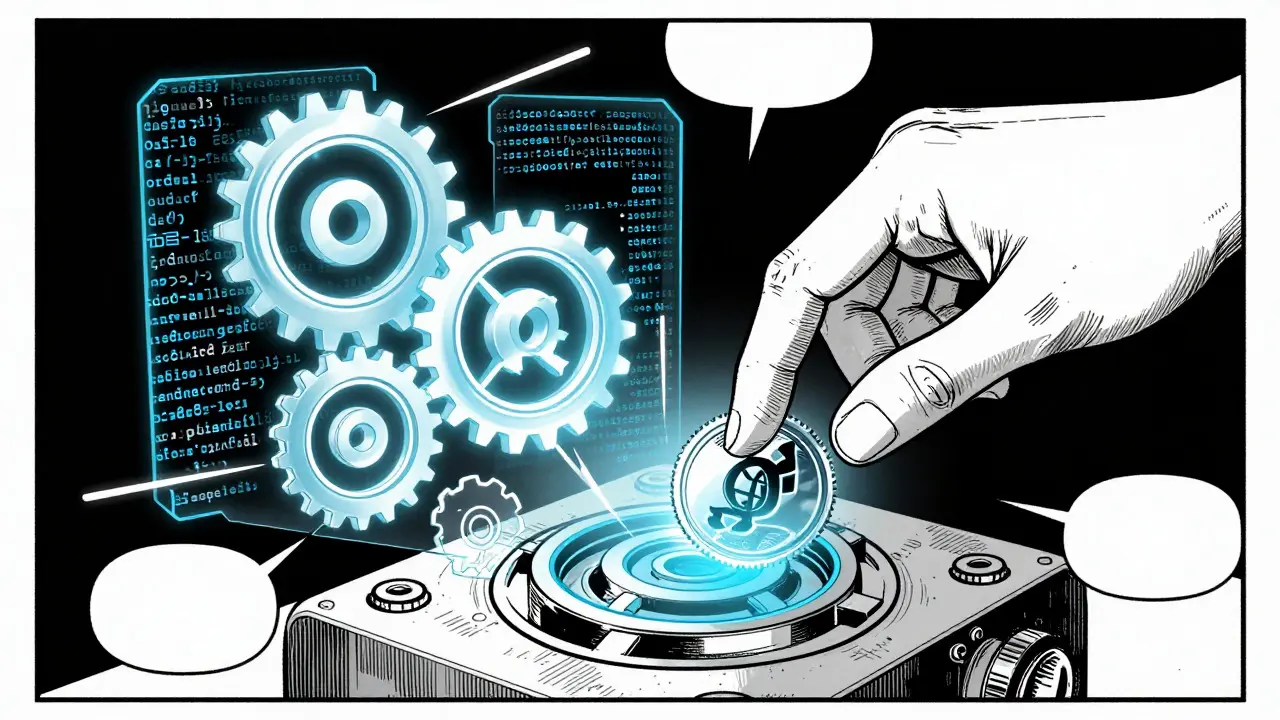
You might ask, "If there is no central authority, how do I know my money is safe?" The answer lies in Smart Contracts. These are self-executing contracts with the terms of the agreement directly written into code. When you interact with Hatom, you are interacting with these contracts. They automatically execute actions-like releasing a loan or distributing interest-when predefined conditions are met.
Security is a massive concern in DeFi. One hack can wipe out millions. To mitigate this, Hatom has undergone several smart contract audits. While audits don't guarantee 100% safety forever, they provide a layer of verification that independent experts have reviewed the code for vulnerabilities. This is crucial because once code is deployed on the blockchain, it is hard to change. The protocol's architecture prioritizes transparency, meaning all transactions are visible on the public ledger.
However, remember that "non-custodial" also means "self-responsible." If you lose your private keys or send funds to the wrong address, there is no customer support team to call. The system doesn't care about your identity; it only cares about the cryptographic proof of ownership.
Hatom Tokenomics: Supply and Circulation Discrepancies
Understanding the economics of a token is vital before investing. Here is where things get a bit messy with Hatom. There are significant discrepancies in reported data across major exchanges, which can confuse new investors.
| Metric | Coinbase | Bybit | TradingView |
|---|---|---|---|
| Circulating Supply | ~16.67 Million HTM | ~76.29 Million HTM | 100.00 Million HTM |
| Max Supply | N/A | 100.01 Million HTM | 100.00 Million HTM |
| Market Cap Estimate | ~$4.45 Million | Varies by supply calc | Varies by supply calc |
Why such a big difference? It usually comes down to how each exchange calculates "circulating supply." Some may count tokens locked in vesting schedules differently, or they might update their data at different intervals. Bybit and TradingView suggest a maximum supply cap around 100 million HTM. If the circulating supply is low but the max supply is high, future inflation could dilute the value of your holdings if more tokens enter the market. Always check multiple sources to get the full picture.
Price Performance and Market Reality
Let's talk numbers, because that is what most people click for. As of mid-2026, Hatom is trading significantly below its peak. The token reached an all-time high (ATH) of $3.59 USD shortly after its launch phase. Today, prices hover between $0.013 and $0.014 USD depending on the exchange.
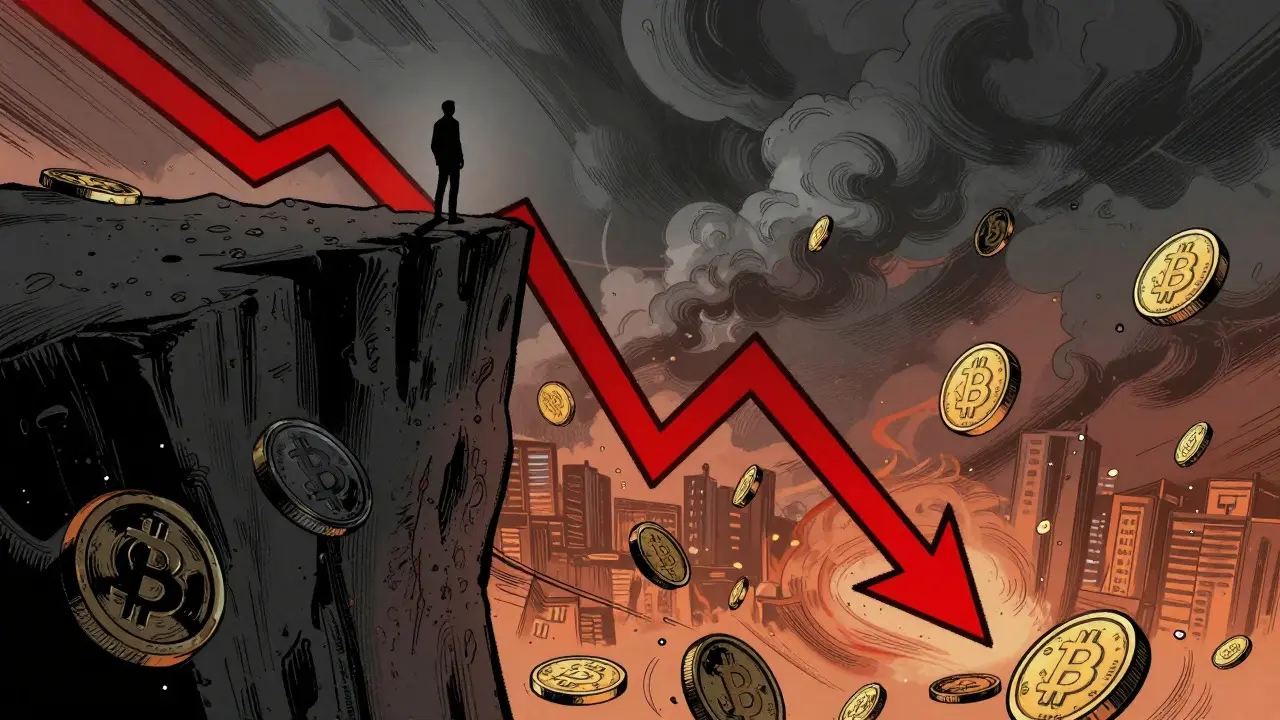
This represents a decline of over 92% from its highest point. In the crypto world, this is not uncommon for early-stage DeFi projects. The initial hype drives the price up, and then reality sets in as the project needs to prove long-term utility. Over the past year, HTM has seen an approximate 83% decrease in value. In the last month alone, it dropped nearly 37%.
Trading volume is moderate, ranging from $47K to $129K in 24-hour periods across platforms like CoinMarketCap, Crypto.com, and TradingView. This indicates that while there is activity, it is not a high-volume asset like Bitcoin or Ethereum. For context, Hatom ranks around #2130 by market capitalization. It is a small-cap asset, which means higher risk but potentially higher reward if the ecosystem grows significantly.
Who Should Use Hatom?
Hatom is not for everyone. If you are looking for a passive investment where you buy and forget, HTM might be too volatile and complex. However, it fits well for specific types of users:
- MultiversX Believers: If you already hold EGLD (the native token of MultiversX) and believe in that ecosystem's growth, Hatom provides a way to put those assets to work via lending and staking.
- DeFi Savvy Users: Those comfortable with connecting wallets, understanding gas fees, and managing collateral ratios will find the non-custodial model appealing due to lower counterparty risk.
- Cross-Chain Traders: Users who frequently move assets between different blockchains can utilize the TAO bridge integration to access liquidity without exiting the DeFi environment.
If you are a beginner who struggles with basic wallet management, stick to simpler platforms until you understand how non-custodial protocols work. The learning curve is real.
Risks and Considerations
Before you dive in, consider the risks. First, the price volatility is extreme. A 92% drop from ATH shows how quickly sentiment can shift. Second, smart contract risk remains. Even with audits, bugs can exist. Third, regulatory uncertainty looms over DeFi globally. As governments tighten rules around unregistered securities, protocols like Hatom may face compliance challenges.
Also, note that not all major exchanges list HTM. For example, Crypto.com currently directs users to trade other cryptocurrencies instead of HTM. Limited exchange listings can reduce liquidity, making it harder to sell large amounts without impacting the price.
Is Hatom (HTM) a good investment in 2026?
Whether Hatom is a "good" investment depends on your risk tolerance. With a 92% drop from its all-time high and a top 2000+ market cap ranking, it is considered high-risk. It suits investors who believe strongly in the MultiversX ecosystem and DeFi lending models. It is not suitable for conservative investors seeking stability.
What blockchain is Hatom built on?
Hatom is built on the MultiversX blockchain. This network is chosen for its high throughput and scalability, which helps ensure faster transactions and lower fees compared to congested networks like Ethereum.
Why is the circulating supply of HTM different on various sites?
Discrepancies arise because exchanges use different methodologies to calculate circulating supply. Some may exclude locked tokens or vested allocations, while others include them. Always check the total max supply (approx. 100 million) to understand potential inflation.
Can I lose my money using Hatom?
Yes. Risks include smart contract bugs, market volatility, and user error (like losing private keys). Since it is non-custodial, there is no insurance fund to recover lost funds if you make a mistake or if the protocol is hacked.
What is the TAO bridge in Hatom?
The TAO bridge is an integration that allows assets to be transferred from other blockchain ecosystems into the Hatom/MultiversX environment. This enhances cross-chain liquidity, letting users bring funds from outside networks to participate in lending and borrowing.