You’ve heard the hype. You saw the promise of "incredible password currency exchange" and decided to give OpenDEX is a cryptocurrency trading platform that has gained significant negative reputation due to reported operational failures and user complaints regarding fund accessibility. a shot. But now you’re stuck. Your funds are locked, or worse, you’re being asked for more money just to get out. If this sounds familiar, you aren’t alone. By mid-2026, the consensus among crypto investors and regulatory bodies is clear: OpenDEX is widely considered unreliable.
This isn’t just a bad day at the office for a startup. This is a pattern. In an industry where trust is everything, OpenDEX has failed to deliver on the most basic requirement: letting you keep your money. Here’s what we know about the platform, why it’s missing from every legitimate list, and how you can protect yourself if you’re currently tangled up with them.
The Red Flags: Why Experts Avoid OpenDEX
When you look at the top decentralized exchanges in 2025 and 2026, you see names like Uniswap is a leading decentralized exchange protocol on Ethereum with over $4 billion in Total Value Locked, PancakeSwap is a popular DEX on BNB Chain with over $2 billion in TVL, and Curve Finance is a stablecoin-focused DEX with over $4 billion in TVL. These platforms are transparent. They publish their code. They have massive liquidity pools that anyone can audit. OpenDEX? It’s invisible.
It doesn’t appear in Koinly’s expert-reviewed lists. It’s absent from NerdWallet’s comprehensive comparisons. Even casual searches yield little more than warning signs. The California Department of Financial Protection and Innovation (DFPI) tracks crypto scams closely, and their methodology highlights exactly the kind of behavior users report from OpenDEX. Platforms that start looking legitimate but then demand unexpected fees for withdrawals are classic indicators of fraudulent operations.
- No Verifiable Technical Data: Unlike dYdX, which openly details its Layer 2 architecture, OpenDEX provides no documentation on its blockchain integration or security protocols.
- Missing from Rankings: Legitimate exchanges compete for visibility. OpenDEX competes for silence.
- Regulatory Void: There is no evidence of SEC compliance or any other major regulatory oversight.
If a platform can’t tell you how it secures your assets, why should you trust it with them?
The Fee Trap: How OpenDEX Locks You In
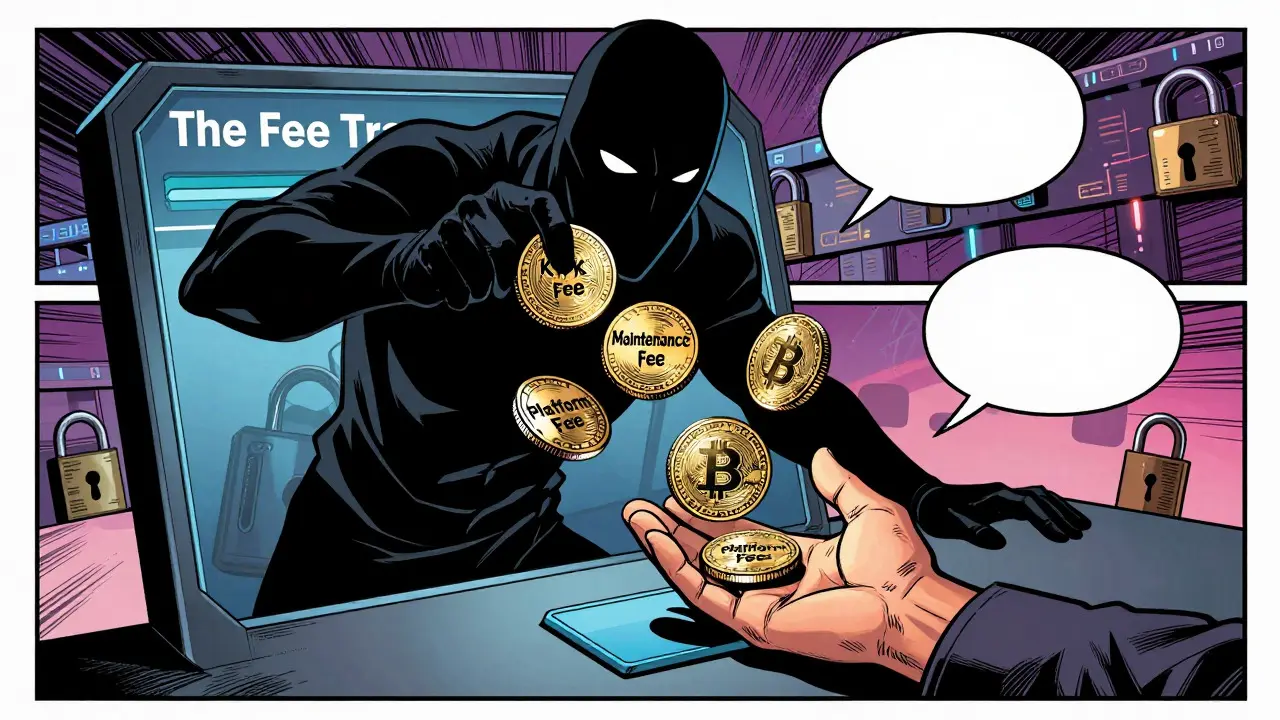
Here’s where things get ugly. Many users report a specific sequence of events when trying to withdraw funds from OpenDEX. First, you deposit. Then, you try to withdraw. Suddenly, a fee pops up. Not a small network gas fee, but a "platform fee." Then a "Know Your Customer" fee. Then a "maintenance fee."
This is known as the "pig butchering" tactic in fraud circles. The platform lures you in, lets you see paper profits, and then slams the door shut behind you, charging you tolls just to leave. The DFPI specifically warns about these "unexpected fee demands" as a hallmark of fraudulent trading platforms. Legitimate exchanges like Kraken offer transparent pricing-Kraken Plus even offers zero-fee trading up to $10,000 per month for a subscription. Uphold clearly lists its fees between 0.2% and 2.95%. OpenDEX lists nothing until it’s too late.
| Feature | OpenDEX | Kraken / Uphold |
|---|---|---|
| Fee Schedule Published? | No / Hidden | Yes / Transparent |
| Withdrawal Fees | Multiple unexpected charges | Standard network fees only |
| Customer Support | Non-existent / Email only | Live chat / Phone support |
| Regulatory Compliance | None verifiable | Registered with US regulators |
Ask yourself: does any other service in your life charge you a "maintenance fee" just to take your own money back? No. That’s because it’s a predatory practice.
OpenDEX vs. OpenDAX: Don’t Get Confused
One common point of confusion is the similarity in names. You might hear about OpenDAX is a white-label exchange software solution developed by Openware for businesses and think it’s related to OpenDEX. It’s not. OpenDAX is a legitimate infrastructure tool used by companies to build their own exchanges. It’s software, not a retail trading platform. OpenDEX is marketed directly to traders as a place to buy and sell crypto. This name similarity may be intentional, designed to borrow credibility from the established Openware brand. Always check the domain and the company behind the product. OpenDAX is backed by Openware; OpenDEX appears to be backed by nothing but promises.
User Reports: The Consensus is Negative
Data doesn’t lie, but people’s experiences paint the picture. On Revain.org, a site dedicated to honest exchange reviews, OpenDEX is explicitly flagged as "not considered a reliable platform." Users describe a cycle of frustration: deposits go through instantly, but withdrawals stall. Support tickets go unanswered. When they do get a response, it’s usually a request for more money.
Compare this to communities around legitimate exchanges. Reddit’s r/CryptoCurrency has 4.5 million members discussing real-time issues with Coinbase, Binance, and others. Problems are solved publicly. Updates are posted. With OpenDEX, there is no community. There is no discussion. There is only silence and loss.
What Should You Do If You’re Stuck?
If you have funds trapped in OpenDEX, here is your action plan. Time is critical.
- Stop Depositing: Do not pay any more fees. Every dollar you send to cover a "withdrawal fee" is likely gone forever. Scammers use scarcity tactics ("pay now or lose access") to panic you into paying more.
- Document Everything: Save screenshots of your account balance, transaction hashes, email correspondence, and any fee requests. This is your evidence.
- Contact Your Bank/Card Issuer: If you funded OpenDEX via credit card or bank transfer, file a dispute immediately. Claim unauthorized transaction or services not rendered. Banks are more likely to help if you act within 30-60 days.
- Report to Regulators: File a complaint with the California DFPI (if applicable) or your local financial protection agency. The DFPI’s Crypto Scam Tracker aggregates these reports to identify patterns. Your report helps warn others.
- Check Blockchain Status: If you sent crypto directly (like Bitcoin or Ethereum), check the transaction on a block explorer. If the funds are in a wallet address controlled by OpenDEX, recovery is difficult unless law enforcement intervenes. If the transaction is still pending, you might be able to speed it up or cancel it depending on the network.
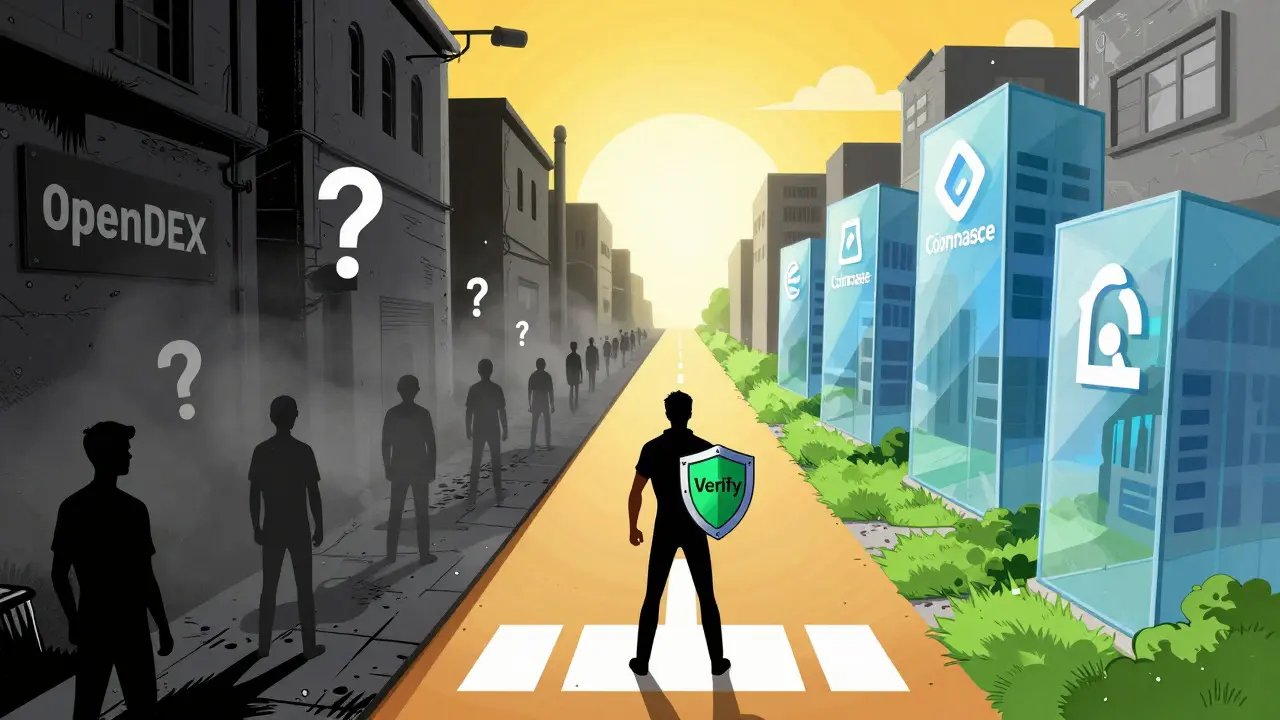
Better Alternatives for 2026
Don’t let one bad experience ruin your confidence in crypto. The market is huge, and there are plenty of safe, regulated options. Here’s what to look for instead:
- For Beginners: Use Coinbase is a publicly traded, US-regulated cryptocurrency exchange known for ease of use or Uphold is a diversified asset exchange offering crypto, stocks, and commodities with low entry barriers. They require minimal verification and have clear fee structures.
- For Traders: Consider Kraken is a secure, long-standing exchange offering advanced trading tools and strong security records. Their Kraken Plus subscription model is transparent and cost-effective for active traders.
- For Decentralized Trading: Stick to audited protocols like Uniswap or PancakeSwap. Connect your personal wallet (like MetaMask) directly to the smart contract. No middleman, no hidden fees, no customer support needed because the code is public.
The global crypto exchange market is projected to reach $23.32 billion by 2029. The growth is happening on regulated, transparent platforms. OpenDEX is falling behind-or rather, falling apart.
Final Thoughts: Trust But Verify
In crypto, "trust me bro" is the worst advice you can follow. OpenDEX serves as a cautionary tale. It looked good on the surface. It promised easy access. But when it came time to verify its legitimacy, there was nothing there. No technical docs. No regulatory filings. No positive user reviews. Just fees and excuses.
Before you deposit another cent anywhere, ask three questions: 1. Can I find independent audits of their security? 2. Are their fees published before I trade? 3. Do real people talk about it positively on forums like Reddit? If the answer to any of these is "no," walk away. Your capital is hard-earned. Protect it.
Is OpenDEX a scam?
While legal definitions vary, OpenDEX exhibits all the hallmarks of a fraudulent platform. It demands unexpected fees for withdrawals, lacks regulatory compliance, and has no verifiable technical infrastructure. Regulatory bodies like the California DFPI categorize similar behaviors as scam activity.
Can I withdraw my money from OpenDEX?
Many users report difficulty withdrawing funds. If you are asked to pay additional fees (platform, KYC, maintenance) to release your funds, stop paying. These are likely sunk costs. Contact your bank to dispute the initial charge if possible.
What is the difference between OpenDEX and OpenDAX?
OpenDAX is a legitimate white-label software solution by Openware for building exchanges. OpenDEX is a retail trading platform with a poor reputation. They are unrelated entities, though the similar names may cause confusion.
Why is OpenDEX not listed on major review sites?
Legitimate exchanges undergo rigorous vetting by sites like Koinly and NerdWallet. OpenDEX fails to meet basic criteria for transparency, security, and regulatory compliance, leading to its exclusion from reputable rankings.
How do I report OpenDEX to authorities?
You can report suspicious activity to the California Department of Financial Protection and Innovation (DFPI) Crypto Scam Tracker, the FTC, or your local consumer protection agency. Provide all transaction IDs and communication logs.