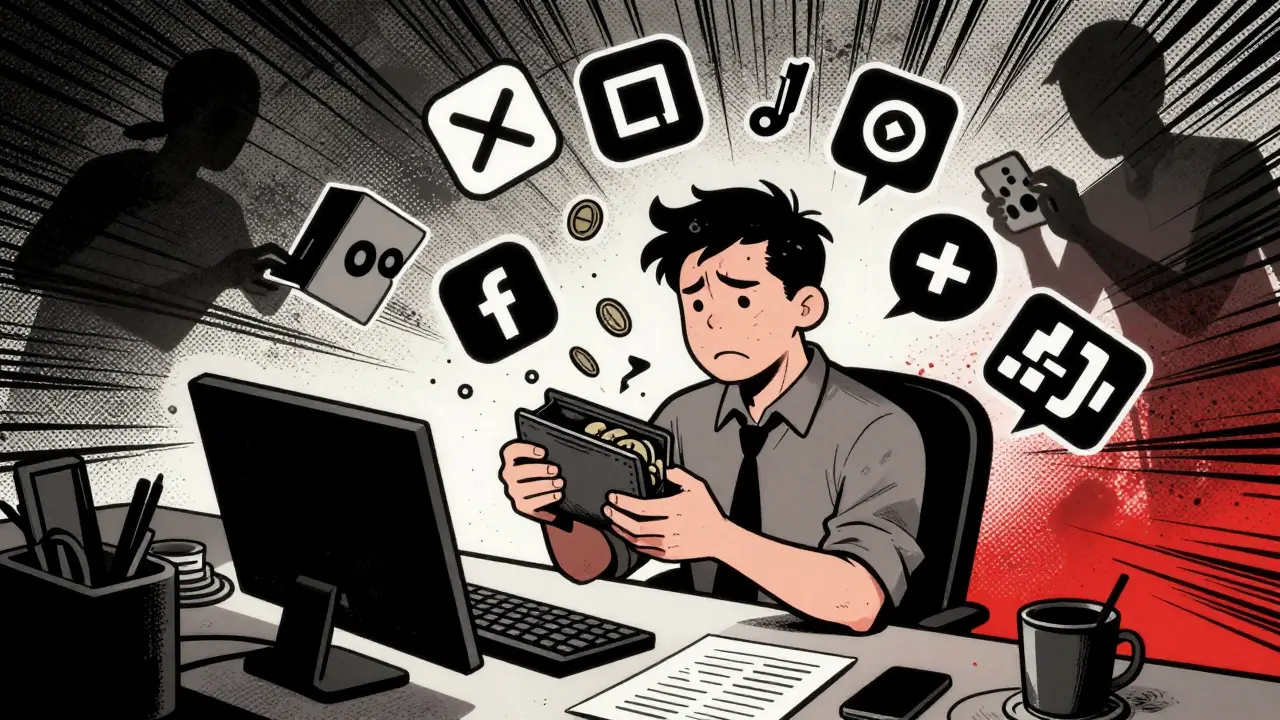
You spend hours creating content, building a community, and engaging with your audience. Yet, when you look at your bank account, the numbers often don't match your effort. Traditional platforms take huge cuts, algorithms change overnight, and you have zero control over your revenue streams. This is the problem social tokens are designed to solve.
Social tokens are digital assets that let creators monetize their work directly while giving fans actual ownership stakes. Instead of just watching or liking, your audience becomes a stakeholder in your success. This shifts the dynamic from passive consumption to active participation, creating a sustainable economy around your brand.
What Are Social Tokens?
At their core, social tokens are fungible cryptocurrencies issued by individuals, communities, or projects. Unlike NFTs, which represent unique items like art pieces, social tokens are interchangeable-much like dollars in a wallet. They live on blockchains like Ethereum, Polygon, or Solana.
Think of them as membership passes with financial value. When you hold a creator's token, you're not just buying access; you're investing in their future. The value of these tokens fluctuates based on supply and demand, driven by how much people believe in the creator's potential.
There are three main types:
- Personal Tokens: Issued by an individual (e.g., a musician or writer) to reward their direct supporters.
- Community Tokens: Created for a group or DAO (Decentralized Autonomous Organization) to fund collective projects.
- Creator Tokens: Specifically designed for content creators to offer tiered access and governance rights.
The key difference here is utility. A traditional Patreon subscription gives you content. A social token gives you content, a voice in decisions, and a tradable asset that might increase in value if the creator grows.
How Social Tokens Work for Creators
For creators, social tokens open up new revenue channels beyond ads and sponsorships. Here’s how it works in practice:
- Issuance: You create a token on a platform like Rally or Roll. You decide the total supply and price.
- Distribution: Fans buy your tokens using crypto or fiat currency. Platforms handle the conversion, making it easier for non-crypto users.
- Utility Implementation: You set rules. Maybe holding 10 tokens gets you into a private Discord. Holding 100 gets you a monthly Q&A session.
- Governance: Token holders can vote on your next album cover, podcast topic, or charity donation.
This model creates a feedback loop. Fans who feel heard and rewarded are more likely to hold onto their tokens, stabilizing the price. If they sell, the price drops, signaling you need to improve engagement or utility.
Take DJ Steve Aoki, for example. He launched his $AOKI token in 2021, raising $1 million in 24 hours. Holders got exclusive access to his studio and early ticket sales. It wasn’t just about money; it was about deepening the fan relationship through shared ownership.
Benefits for Fans and Communities
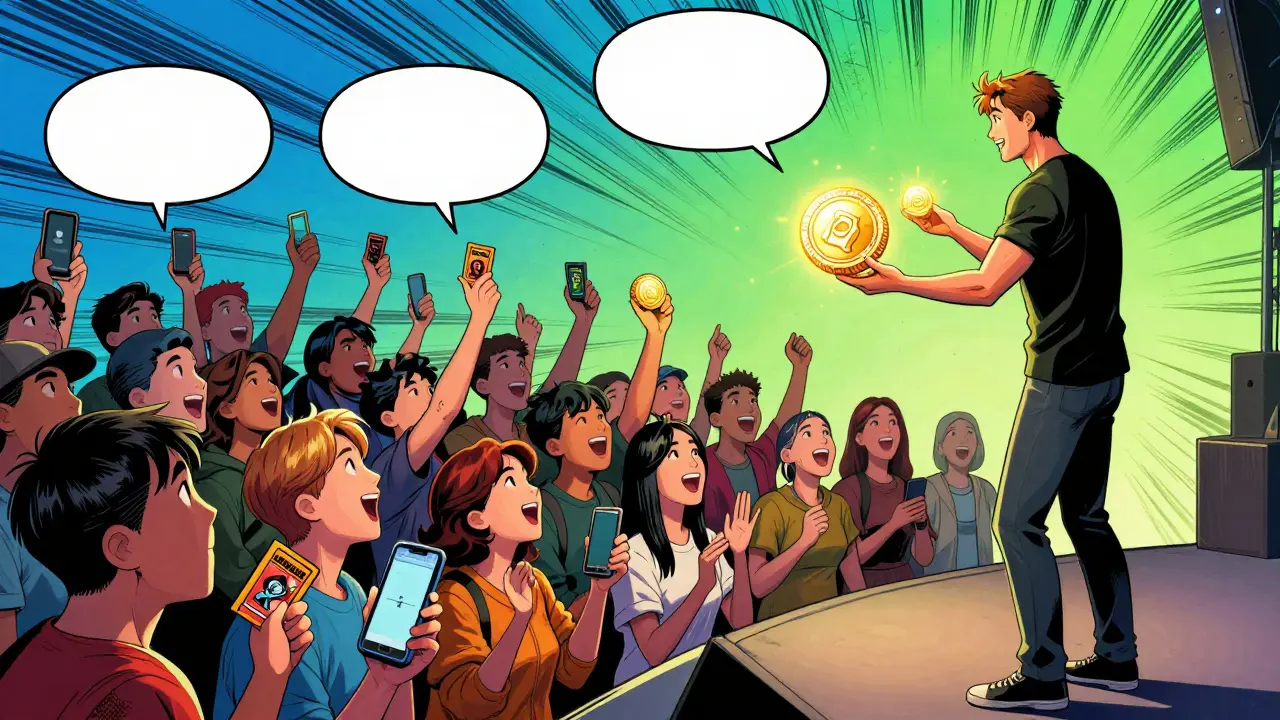
Why would a fan buy a social token? The answer lies in exclusivity and impact. In traditional models, fans are consumers. In Web3, they are partners.
Fans get tangible benefits:
- Access: Token-gated content, such as behind-the-scenes videos, unreleased music, or private events.
- Voting Power: Influence over creative decisions. Want the creator to collaborate with someone specific? Vote with your tokens.
- Financial Upside: If the creator becomes more popular, the token price may rise. Early supporters can profit from their belief in the talent.
This sense of ownership fosters loyalty. Data shows that social token holders engage 3-5 times more than standard subscribers. They’re not just paying for content; they’re investing in a community they help shape.
Challenges and Risks
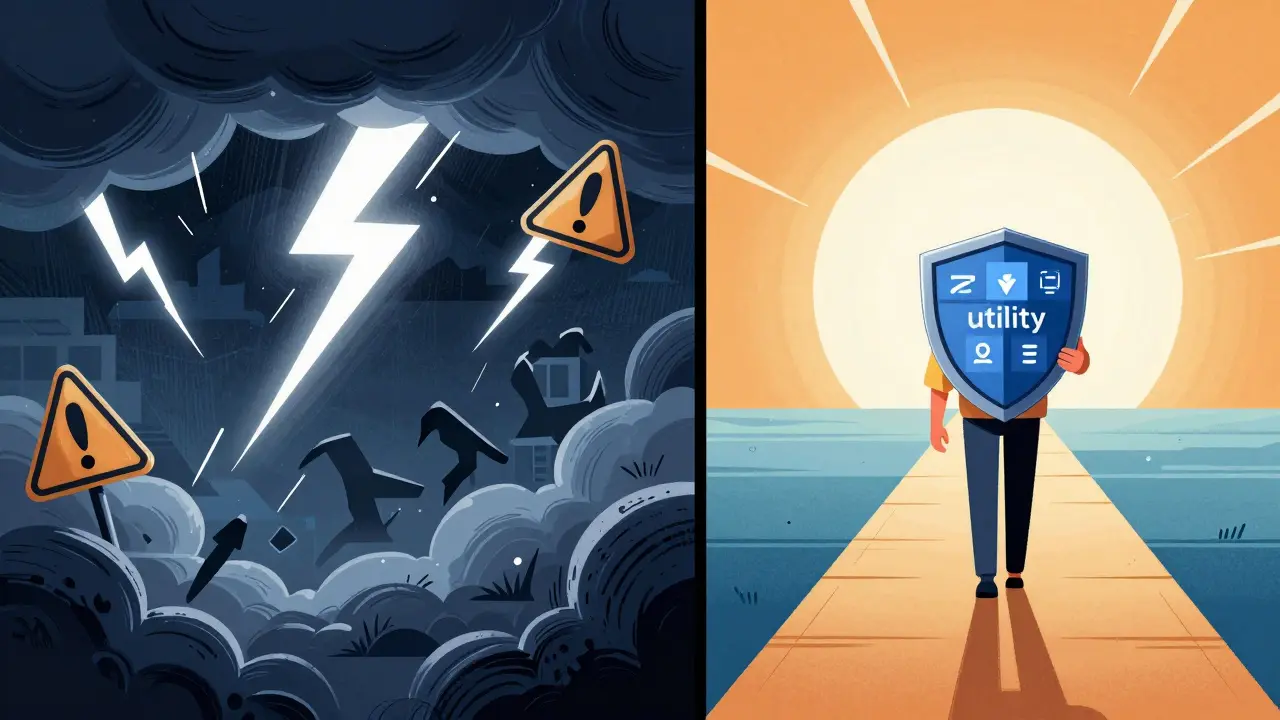
Social tokens aren’t a magic bullet. They come with significant hurdles that both creators and fans must navigate.
Volatility is the biggest risk. Token prices can swing wildly. One study found that 40-60% of social tokens experience major price fluctuations within the first month. If a creator stops posting or loses relevance, the token value can crash, leaving fans with losses.
Regulatory Uncertainty looms large. The U.S. Securities and Exchange Commission (SEC) has warned that many social tokens could be classified as unregistered securities. This means creators face legal risks if they promise profits without proper licensing. As of 2023, the SEC issued multiple warning letters to token issuers, highlighting the need for compliance.
Technical Barriers remain high. Setting up wallets, managing gas fees, and understanding blockchain basics can overwhelm non-tech-savvy creators. Surveys indicate that 78% of creators spend over 40 hours just learning the ropes before launching.
Choosing the Right Platform
You don’t need to code smart contracts to issue social tokens. Several platforms simplify the process:
| Platform | Best For | Cost Structure | Key Feature |
|---|---|---|---|
| Rally | Individual Creators | 1.5% fee on sales | Easy fiat integration |
| Roll | Music & Art | $29/month premium | NFT + Token hybrid |
| Fyooz | Communities/DAOs | Variable | Advanced governance tools |
Rally is great for beginners because it handles complex backend tasks. Roll appeals to artists who want to combine tokens with NFTs. Fyooz suits groups looking for robust voting mechanisms.
Consider your audience’s tech comfort level. If your fans aren’t crypto-native, choose a platform that allows credit card purchases. Friction kills adoption.
Getting Started: A Step-by-Step Guide
Ready to launch? Follow this roadmap to minimize risks and maximize success.
- Define Your Utility: What do token holders get? Be specific. "Exclusive content" is vague. "Weekly live coding sessions" is concrete.
- Choose a Blockchain: Ethereum offers security but higher fees. Polygon or Solana provide cheaper transactions, ideal for micro-rewards.
- Set Up Wallets: Use MetaMask for Ethereum/Polygon or Phantom for Solana. Secure your private keys-they are your identity.
- Launch Softly: Start with a small supply. Test your utility with a core group of 50-100 super-fans before going public.
- Educate Your Community: Create tutorials. Explain why tokens matter. Transparency builds trust.
- Monitor and Adapt: Track holder sentiment. If engagement drops, introduce new perks quickly.
Austin Rief, a fitness influencer, spent months educating his audience before launching his token. He produced 12 tutorial videos explaining the concept. Result? His token retained 90% of its initial value after six months, far above the industry average.
The Future of Creator Rewards
Social tokens are evolving. We’re seeing a shift from speculation to utility. Platforms are adding features like fiat conversion, allowing fans to cash out easily. Regulatory frameworks are slowly clarifying, reducing legal fears.
By 2025, experts predict social tokens will become standard for top-tier creators. Integration with major social media platforms is underway, making token distribution seamless. Imagine buying a creator’s token directly from their Twitter profile without leaving the app.
The goal isn’t just profit. It’s about building resilient, owner-driven communities. When fans own a piece of the pie, they protect the brand. They promote it. They grow it with you.
Are social tokens legal?
Legality varies by jurisdiction. In the U.S., the SEC scrutinizes tokens that promise profits, potentially classifying them as securities. Creators should consult legal experts and focus on utility rather than investment returns to mitigate risk.
Do I need crypto knowledge to use social tokens?
Basic knowledge helps, but platforms like Rally allow fans to buy tokens with credit cards. You still need a wallet to store them, but user interfaces are becoming increasingly user-friendly for non-tech audiences.
What happens if a creator quits?
If a creator stops producing content, the token’s utility vanishes, likely causing its value to drop significantly. This is a key risk for buyers. Always assess the creator’s long-term commitment before investing.
How do I tax social token income?
Tax laws differ globally. Generally, selling tokens for profit triggers capital gains tax. Receiving tokens as payment for services may be taxed as income. Consult a local accountant familiar with cryptocurrency regulations.
Can I create my own social token?
Yes, anyone can issue a social token using platforms like Rally, Roll, or custom smart contracts. However, success depends on having an engaged audience and clear utility, not just technical ability.