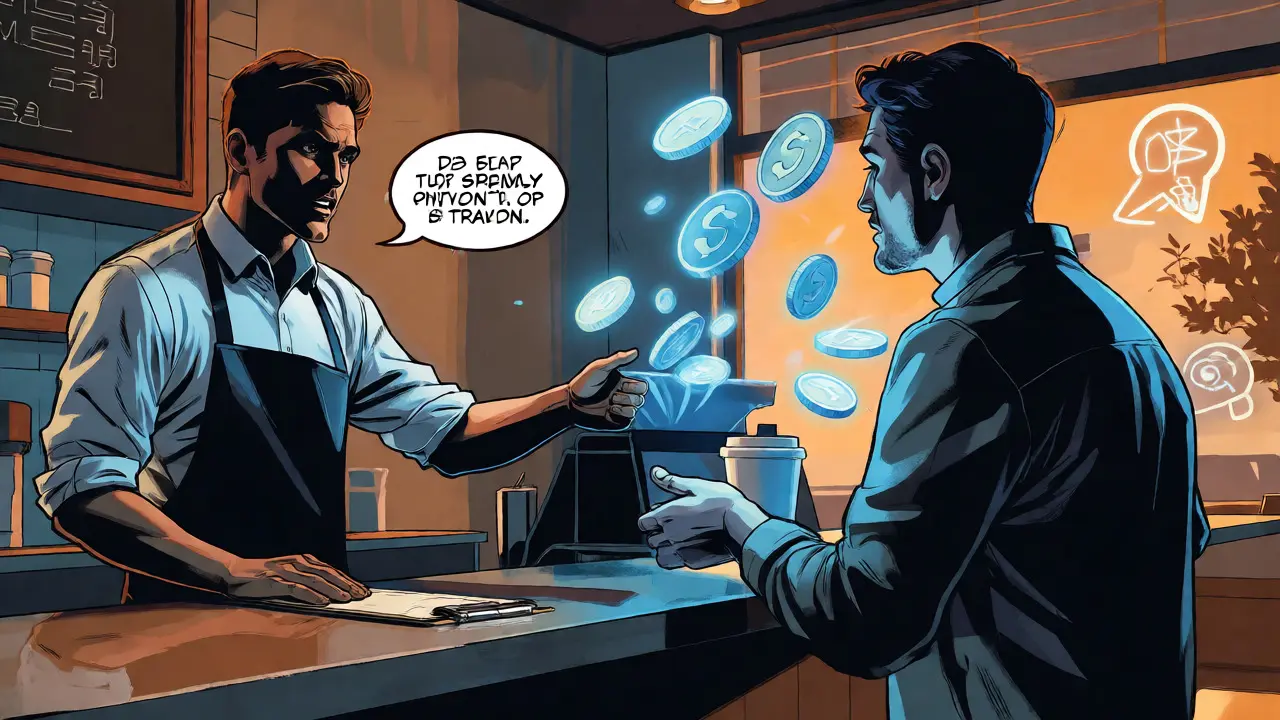
Imagine trying to buy a coffee with cash, but the barista demands your full ID, your home address, and a detailed history of every coin you've ever held. That is essentially what regulators are asking privacy coins to do right now. If you have been holding Monero or Zcash, you might have noticed they are disappearing from major exchanges like Binance and Kraken. It is not just a glitch; it is a calculated regulatory squeeze.
As of September 2026, the landscape for anonymous cryptocurrencies has shifted dramatically. While these digital assets still account for about 11.4% of global crypto transactions, regulatory actions against them have surged by 34% since 2024. Why? Because governments want to see who is moving money, and privacy coins were built specifically to hide that data. This article breaks down exactly which rules are hitting hardest, why Monero and Zcash are treated differently, and how you can navigate this tightening net without losing your financial freedom.
The Core Conflict: Anonymity vs. Compliance
At the heart of the issue is a fundamental mismatch between technology and law. Traditional finance relies on transparency. Banks know who sends money and where it goes. Privacy coins flip this model. They use advanced cryptography to obscure sender, receiver, and amount details. Regulators view this opacity as a loophole for money laundering, tax evasion, and terrorism financing.
The Financial Action Task Force (FATF) has been the primary driver here. Their updated Travel Rule, fully enforced in many jurisdictions by 2025, requires virtual asset service providers (VASPs) to share customer data for transactions over certain thresholds. For standard cryptocurrencies like Bitcoin, this is manageable because transaction histories are public. For privacy coins, it is nearly impossible. The FATF rules directly impact 57% of privacy coin transactions, forcing exchanges to choose between heavy compliance costs or delisting the assets entirely.
This isn't just theoretical. In 2025, major exchanges began aggressive delistings. When Binance and Kraken removed Monero and Zcash pairs, peer-to-peer (P2P) trading volumes jumped by 19%. Users didn't stop using privacy coins; they just moved to platforms where KYC (Know Your Customer) checks are looser or non-existent. This shift highlights a critical point: regulation doesn't kill demand, it just changes the venue.
Monero: Mandatory Privacy Under Fire
Monero is often seen as the gold standard for privacy because its features are mandatory. You cannot accidentally send a transparent transaction. Every payment uses ring signatures, stealth addresses, and RingCT (Ring Confidential Transactions). This design ensures that no one outside the transaction knows who paid whom or how much was sent.
However, this "always-on" privacy makes Monero a headache for regulators. There is no way to audit a specific transaction without the recipient's private keys. Consequently, Monero faces the strictest scrutiny. In the European Union, the Markets in Crypto-Assets (MiCA) regulation reduced privacy coin offerings by 22%, largely due to transparency requirements that clash with Monero's default settings. Exchanges compliant with MiCA often find it too risky to list Monero because they cannot easily prove to auditors that a transaction wasn't linked to illicit activity.
Despite this, Monero maintains strong adoption among users who prioritize absolute anonymity. Unlike other coins where privacy is optional, Monero guarantees it. This reliability keeps it relevant, even if it means fewer centralized exchange options. Developers cite FATF rules as their biggest challenge, yet the community continues to build tools that allow for selective disclosure when needed, attempting to bridge the gap between total secrecy and regulatory necessity.
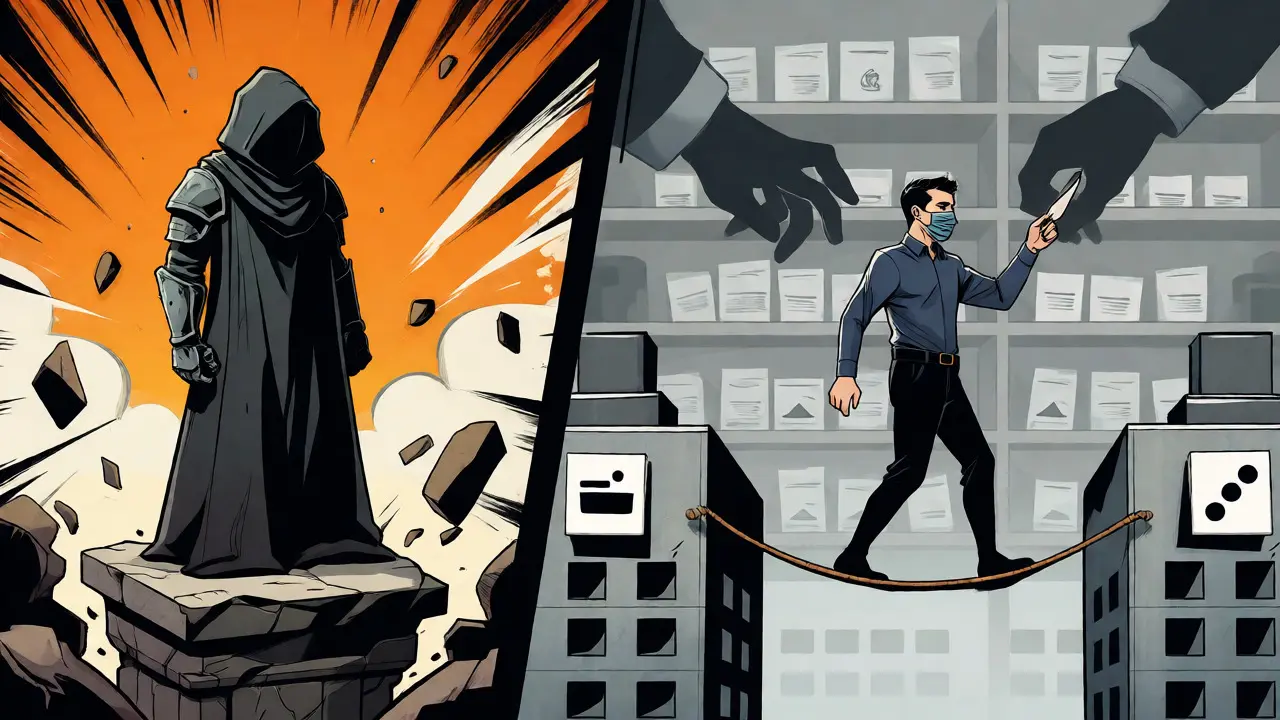
Zcash: The Compromise of Optional Privacy
Zcash takes a different approach. It uses zk-SNARKs (Zero-Knowledge Succinct Non-Interactive Arguments of Knowledge) to offer optional privacy. Users can choose between "shielded" transactions, which are private, and "transparent" transactions, which are visible on the blockchain like Bitcoin.
This flexibility was supposed to be Zcash's regulatory lifeline. By allowing transparent transactions, Zcash offers a compliance pathway. However, the reality is more complex. Most users still opt for transparent transactions because they are easier to use and widely supported. This creates a paradox: because shielded transactions are rare, they stand out. If you send a shielded transaction, analysts can infer it likely contains sensitive information simply because it is uncommon. This reduces the overall anonymity set, making Zcash less effective at hiding activity than Monero.
Regulators have responded with mixed results. While Zcash hasn't faced the same blanket bans as Monero, strict KYC measures led to an 8% decline in active addresses. Institutional investors prefer Zcash's potential for compliance-friendly audits, but retail users often find the complexity of managing shielded pools frustrating. As a result, Zcash occupies a middle ground-more acceptable to banks than Monero, but less trusted by privacy purists.
Global Regulatory Hotspots and Safe Havens
Not all countries treat privacy coins the same way. The regulatory map is fragmented, creating arbitrage opportunities for traders and developers. Some jurisdictions ban privacy coins outright, while others create sandbox environments to test new compliance models.
| Region/Jurisdiction | Regulatory Stance | Impact on Monero/Zcash | Key Regulation |
|---|---|---|---|
| European Union | Strict Transparency | Delisted from most MiCA-compliant exchanges | MiCA Regulation |
| United States | Enforcement Focus | High scrutiny; Tornado Cash precedent affects privacy tech | FATF Travel Rule / SEC Actions |
| Singapore | Regulated Sandbox | Permitted with enhanced monitoring | MAS Guidelines |
| Switzerland | Crypto-Friendly | Listed on regulated platforms with AML checks | FINMA Guidelines |
| South Korea | Ban on Anonymous Accounts | Effectively unusable on local exchanges | Real-Name Account System |
Singapore and Switzerland have emerged as safe havens. Both offer regulated sandboxes where privacy coins can be traded under controlled conditions. This allows institutions to engage with Monero and Zcash while satisfying oversight requirements. Conversely, South Korea’s real-name account system effectively bans privacy coins on local exchanges because anonymous accounts are not permitted. If you are in a strict jurisdiction, you might need to use international exchanges or P2P platforms, accepting higher fees and slower settlement times in exchange for access.

Technical Solutions: Can Code Solve Compliance?
Developers aren't just sitting idle. They are working on hybrid solutions that satisfy regulators without sacrificing user privacy. One promising area is zero-knowledge proofs for compliance. Imagine proving to a bank that your funds came from a legitimate source without revealing the exact transaction history. This is technically possible with advanced zk-proofs, though it requires significant computational resources.
Another approach is selective disclosure. Protocols are being designed to allow users to generate a "view key" that reveals transaction details only to authorized parties, such as tax authorities or auditors. This balances the need for oversight with the desire for personal privacy. However, implementation remains tricky. If the view key is compromised, privacy is lost. Additionally, regulators are skeptical of self-reported disclosures, preferring independent verification mechanisms that don't rely on user honesty.
Firo, another privacy-focused coin, uses Lelantus Spark combined with Dandelion++ to hide IP addresses and break transaction links. While smaller than Monero or Zcash, Firo illustrates the industry's push toward layered privacy techniques. These innovations aim to make privacy coins compatible with AML (Anti-Money Laundering) standards, potentially leading to a future where privacy is preserved but traceability is available when legally required.
Practical Steps for Privacy Coin Holders
If you hold Monero or Zcash, you need to adapt your strategy. Here is a checklist to keep your assets secure and accessible:
- Diversify Storage: Do not keep large amounts on centralized exchanges that may delist your coin. Move funds to a hardware wallet or a non-custodial software wallet immediately after purchase.
- Monitor Exchange Listings: Keep an eye on announcements from your preferred exchanges. Delistings often come with withdrawal deadlines. Missing these windows can freeze your assets temporarily.
- Use P2P Platforms Wisely: If you need to convert fiat to privacy coins, use reputable P2P platforms like Bisq or LocalMonero. Be prepared for wider spreads and escrow delays.
- Tax Reporting: Even if transactions are private, tax obligations remain. Use specialized accounting software that supports privacy coins to track cost basis and gains. Keep records of all withdrawals and deposits.
- Stay Updated on Jurisdiction Rules: Laws change fast. Subscribe to regulatory news feeds for your country. What is legal today might require additional reporting tomorrow.
Remember, the goal isn't to evade taxes or laws, but to maintain financial sovereignty. By understanding the technical limitations and regulatory pressures, you can make informed decisions about where and how to store your privacy coins.
Why are exchanges delisting Monero and Zcash?
Exchanges delist these coins primarily due to compliance costs and regulatory pressure. Rules like the FATF Travel Rule require exchanges to monitor and report transaction data, which is difficult or impossible with privacy coins' default anonymity features. To avoid fines and license revocations, many exchanges choose to remove these assets rather than invest in complex compliance infrastructure.
Is it illegal to own Monero or Zcash?
In most countries, owning privacy coins is not illegal. However, using them for unreported income or illicit activities can lead to legal trouble. Some jurisdictions restrict where you can trade them or require additional reporting for holdings above certain thresholds. Always check your local laws regarding cryptocurrency ownership and taxation.
How does Zcash differ from Monero in terms of regulation?
Zcash offers optional privacy, meaning users can choose transparent or shielded transactions. This flexibility allows for partial compliance, as transparent transactions are auditable. Monero enforces privacy by default, making all transactions opaque unless viewed with private keys. This mandatory nature makes Monero harder to regulate, leading to stricter scrutiny and more frequent delistings compared to Zcash.
What is the FATF Travel Rule?
The FATF Travel Rule requires virtual asset service providers to collect and share customer information for transfers exceeding a certain threshold (often $1,000 or €1,000). This data includes names, account numbers, and addresses. For privacy coins, complying with this rule is challenging because the transaction details are hidden, making it hard to verify the source and destination of funds without breaking anonymity.
Can I still buy Monero with credit cards?
Direct purchases with credit cards are becoming rare on major exchanges due to chargeback risks and compliance issues. You may need to buy Bitcoin or USDT first, then swap it for Monero on a P2P platform or a smaller exchange that still lists XMR. Some specialized services offer direct fiat-to-XMR swaps, but they often charge higher fees.