
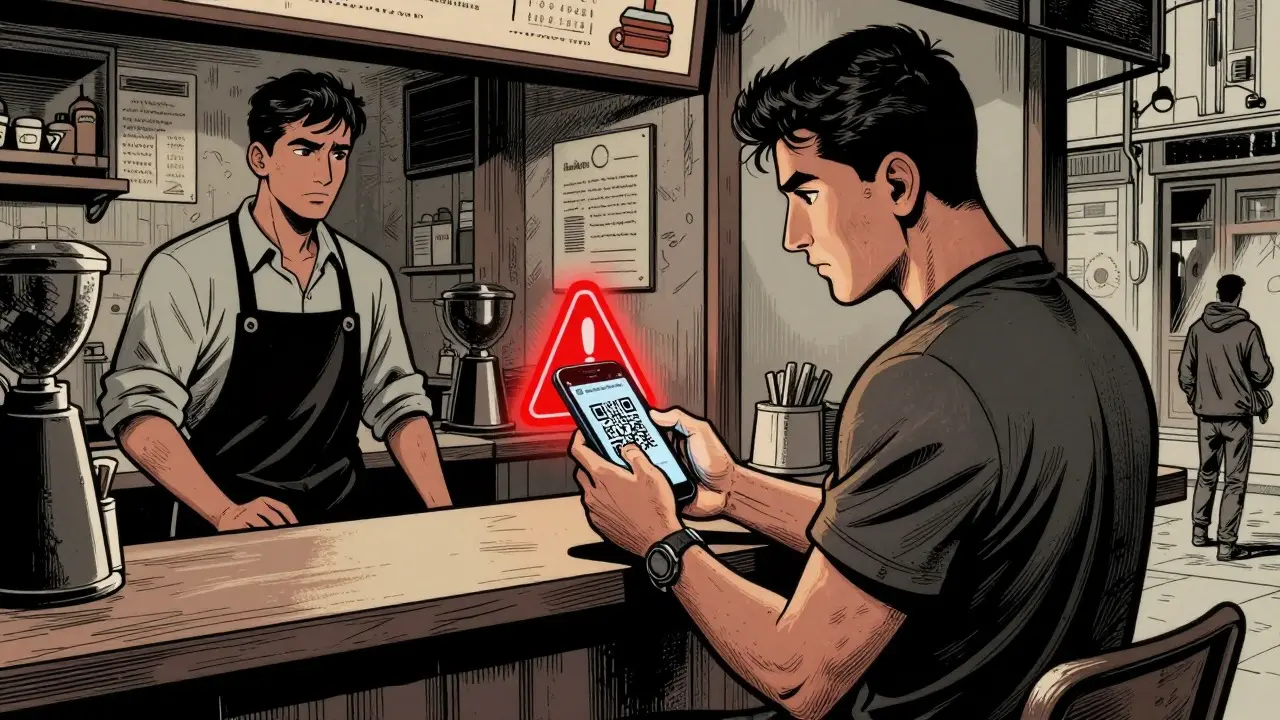
Imagine trying to buy a coffee with Bitcoin in Tehran. You pull out your phone, scan the QR code, and wait for the confirmation. But instead of a receipt, you get a warning from your bank-or worse, a visit from an auditor. This isn’t science fiction; it’s the daily reality for many Iranians navigating one of the world’s most complex cryptocurrency landscapes.
If you are asking whether crypto payments are allowed in Iran, the short answer is: it depends on what you mean by "payment." You can mine Bitcoin legally. You can trade crypto for Iranian Rials (IRR) on licensed platforms. But using Bitcoin or Ethereum to pay for groceries, rent, or services at a local shop? That is effectively prohibited. The government wants control, not chaos.
The Current Legal Status: Controlled Permission
To understand where things stand in 2026, we have to look back at the dramatic shifts that happened between late 2024 and early 2025. For years, Iran sat in a gray area. Then, the rules tightened significantly. As of January 2025, President Masoud Pezeshkian issued a directive making the Central Bank of Iran (CBI) the sole authority over all cryptocurrency activities.
This wasn't just a paperwork shuffle. It meant that every entity involved in crypto-whether a business, a broker, or even an individual trader-had to come under CBI oversight. If you wanted to operate a platform, you needed a license. If you wanted to trade, you had to use designated accounts approved by the central bank. The goal was clear: total transparency. The CBI now has unrestricted access to data, statistics, and records of anyone touching digital assets.
In December 2024, the CBI actually blocked all direct internet-based conversions between crypto and Rials. It felt like a shutdown. But by January 2025, they unblocked these exchanges with a catch: you must use the government's API system. This means every transaction is visible to authorities in real-time. It’s not a ban anymore; it’s surveillance.
Can You Use Crypto to Buy Goods?
Here is the critical distinction that trips up most people. Trading crypto for fiat currency (Rials) is legal if done through licensed channels. Using crypto as a medium of exchange for goods and services is different.
Domestic peer-to-peer (P2P) payments for everyday items remain effectively banned. The government fears that widespread adoption of decentralized currencies will destabilize the Rial further. Inflation has been high, driven partly by international sanctions and energy costs. If everyone starts paying in Bitcoin, the demand for Rials drops, and the currency crashes. So, while you might see someone selling their car for USDT (Tether), doing so openly without going through a regulated exchange channel puts you in legal jeopardy.
Furthermore, in February 2025, the government imposed a nationwide ban on cryptocurrency advertising. No online ads, no billboards, no social media promotions. This move suggests the state wants to limit public enthusiasm for crypto while keeping the backend mechanisms under tight control. It’s a strategy of containment rather than encouragement.
The Mining Exception: Why Iran Loves Bitcoin Miners
If payments are restricted, why does Iran care about crypto at all? The answer lies in mining. Unlike trading, Cryptocurrency mining is legal and heavily regulated. In fact, Iran is a global powerhouse in this sector.
| Activity | Legal Status | Regulatory Body | Key Requirement |
|---|---|---|---|
| Bitcoin/Ethereum Mining | Legal | Ministry of Industry, Mine and Trade | License required; sell output to CBI |
| Crypto-to-Rial Trading | Legal (Restricted) | Central Bank of Iran (CBI) | Must use licensed exchanges & gov API |
| Paying for Goods/Services | Effectively Banned | N/A | No legal framework for merchant acceptance |
| Crypto Advertising | Banned | Government Ministries | No online or physical promotion allowed |
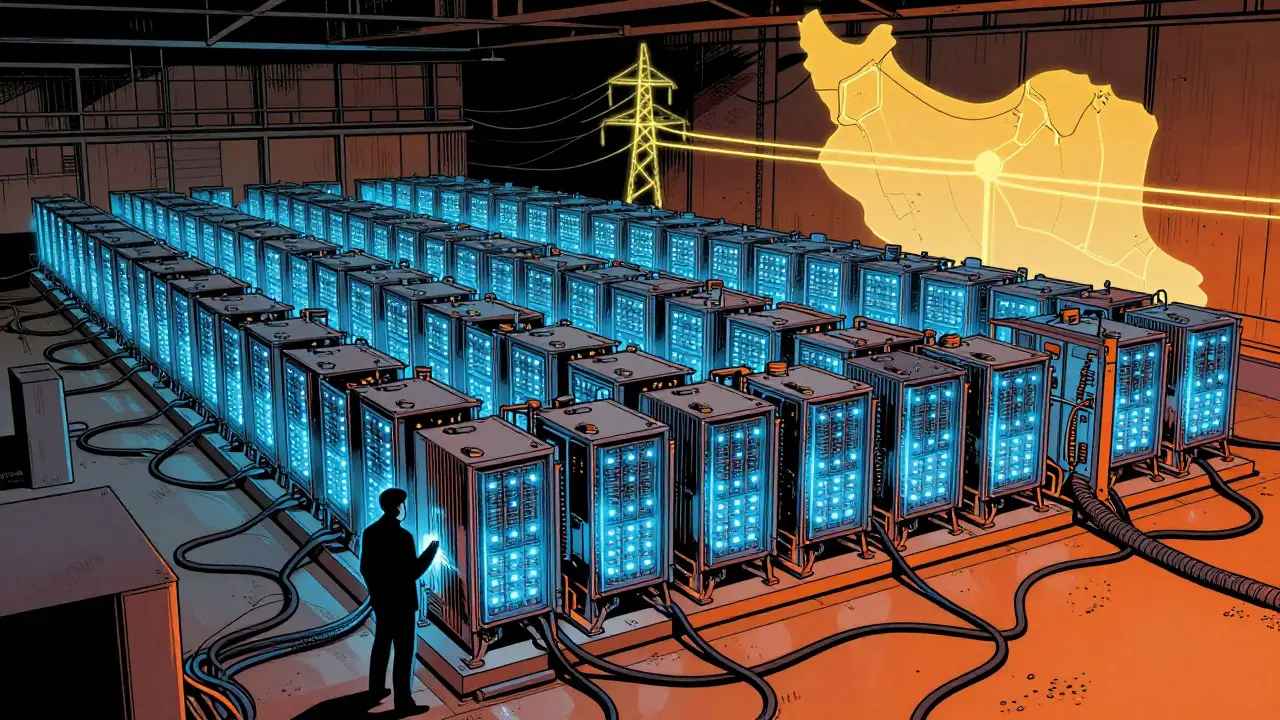
Iran legalized mining in 2019 because it saw a way to generate hard currency revenue amidst heavy international sanctions. The country has abundant, cheap electricity-often subsidized by the state. However, this comes at a cost. Mining consumes roughly 4.5% of Iran’s total electricity supply. During winter peaks, unauthorized mining operations have caused rolling blackouts across cities. Authorities have cracked down hard on illegal miners, seizing hardware and cutting power lines.
Licensed miners face strict rules. They must use approved hardware and pay specific tariffs. Crucially, they are often required to sell their mined coins directly to the Central Bank. This allows the state to capture the value of the mining activity and convert it into usable foreign reserves or stabilize the Rial. It’s a state-controlled resource extraction model applied to the blockchain.
The Rise of the Digital Rial
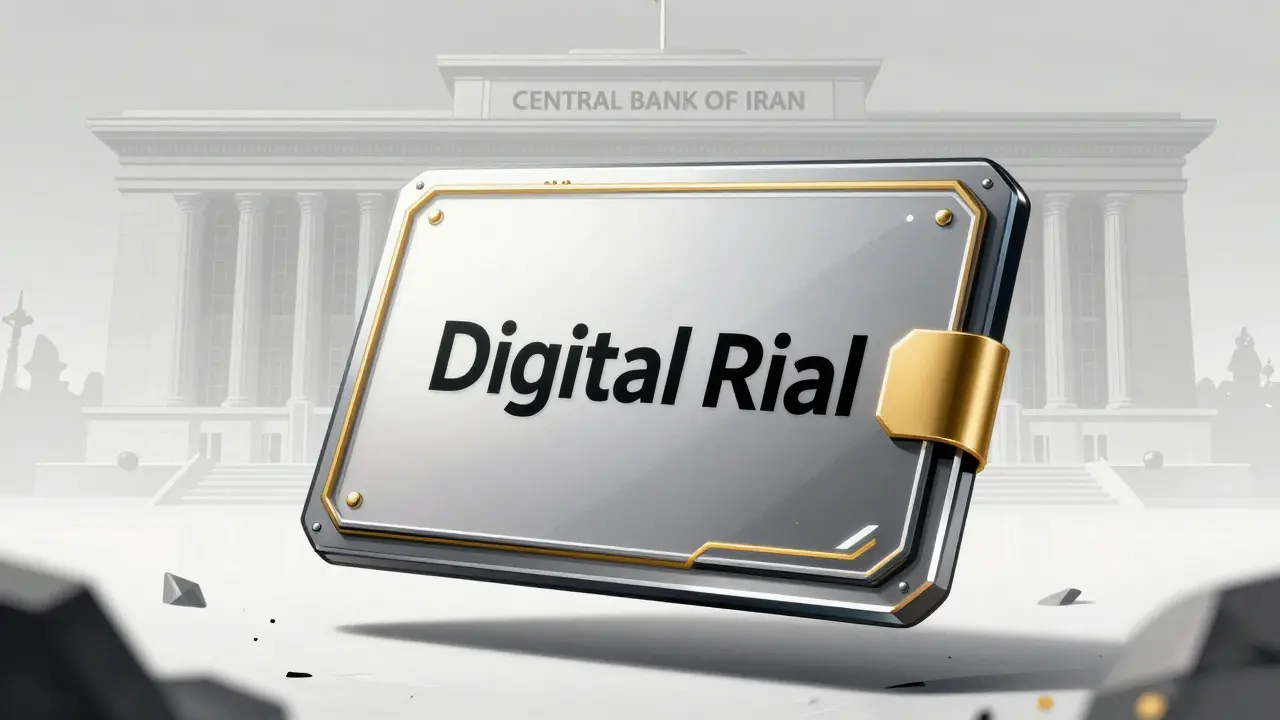
So, if the government hates uncontrolled crypto but loves the technology, what’s the solution? Enter the Digital Rial. This is Iran’s Central Bank Digital Currency (CBDC). Unlike Bitcoin, which is decentralized and anonymous, the Digital Rial is fully centralized. It is simply electronic cash issued by the CBI.
Pilot programs began on Kish Island, aiming to reduce dependency on the US Dollar and streamline domestic transactions. The Digital Rial offers the speed and convenience of crypto payments but retains the total control of traditional banking. Every transaction is traceable, reversible, and subject to monetary policy. For the average Iranian consumer, this might eventually become the primary way to make digital payments, replacing both cash and volatile cryptocurrencies for daily commerce.
Sanctions Evasion and International Pressure
You cannot talk about crypto in Iran without mentioning sanctions. Since 2017, when financial restrictions severely limited Iran’s access to the global banking system, cryptocurrencies became a lifeline. Businesses used Bitcoin and stablecoins like Tether to bypass SWIFT and conduct international trade.
This dual-use nature makes Iran a target for international regulators. In July 2025, Tether executed its largest freeze of Iranian-linked funds, locking over $1 billion across 42 addresses. Many of these wallets were linked to Nobitex, one of Iran’s largest local exchanges. This event sent shockwaves through the market. It proved that even if you follow local Iranian laws, you are still vulnerable to extraterritorial enforcement by Western entities.
The involvement of the Islamic Revolutionary Guard Corps (IRGC) in crypto activities has also raised eyebrows globally. IRGC-linked wallets have been specifically targeted by compliance actions, reinforcing the idea that crypto in Iran is not just an economic tool but a geopolitical chess piece.
How Iranians Navigate the System Today
Despite the bans and restrictions, crypto usage remains high. Between January and July 2025, Iran recorded $3.7 billion in crypto flows. While this was an 11% drop from the previous year, it shows the market is resilient. How do people do it?
- Licensed Exchanges: Platforms like Nobitex and Wallex operate under CBI licenses. Users here undergo strict Know Your Customer (KYC) checks. These are safe for buying/selling Rials but offer zero privacy.
- VPNs and Foreign Exchanges: Many users bypass local restrictions by using Virtual Private Networks (VPNs) to access global platforms like Binance or Kraken. This carries higher risk of account freezing but offers more anonymity.
- P2P Networks: Offline or semi-offline networks allow individuals to swap crypto for cash or goods directly. This is the most common method for actual "payments" but exists in a legal gray zone.
The Anti-Money Laundering (AML) and Counter-Terrorism Financing (CTF) protocols have strengthened significantly. Banks monitor accounts closely for unusual deposits that might indicate crypto cash-outs. If your money trail looks suspicious, your account could be frozen pending investigation.
What This Means for You
If you are an investor looking at Iran, tread carefully. The potential for profit exists due to low entry costs and high volatility, but the regulatory risk is immense. One day the rules might relax; the next, a new decree could freeze your assets.
If you are living in Iran, understanding the difference between "trading" and "paying" is vital. Keep your trades on licensed platforms if you want safety. Avoid using crypto for large, conspicuous purchases unless you are prepared to explain the source of funds to auditors. And keep an eye on the Digital Rial rollout-it may soon change how you handle everyday transactions entirely.
Is it illegal to own Bitcoin in Iran?
No, owning Bitcoin is not illegal. However, using it as a legal tender for domestic payments is restricted. You must report holdings and transactions through licensed channels to avoid penalties. The government focuses on controlling the flow of value rather than banning possession outright.
Can I use crypto to pay for goods in Iranian shops?
Technically, yes, but it is not officially supported or protected. Most merchants do not accept crypto directly because of tax and reporting complexities. If you do, it is usually through informal P2P arrangements, which carry legal risks if discovered by authorities.
Why did the Central Bank of Iran block crypto payment gateways?
The CBI blocked direct gateways to prevent capital flight and stabilize the Iranian Rial. By forcing transactions through monitored APIs, they ensure they can track every movement of money, preventing speculation that drives inflation and allowing them to enforce sanctions-related controls.
Is Bitcoin mining profitable in Iran?
It can be, but only for licensed operators who navigate the bureaucracy. Electricity is cheap, but tariffs for miners are higher than residential rates. Additionally, the requirement to sell mined coins to the Central Bank at set prices reduces potential profits compared to global markets.
What is the Digital Rial and how does it differ from Bitcoin?
The Digital Rial is a Central Bank Digital Currency (CBDC). Unlike Bitcoin, it is centralized, fully backed by the state, and non-anonymous. It functions like digital cash, enabling instant transfers while giving the government complete visibility and control over spending, unlike the decentralized nature of Bitcoin.