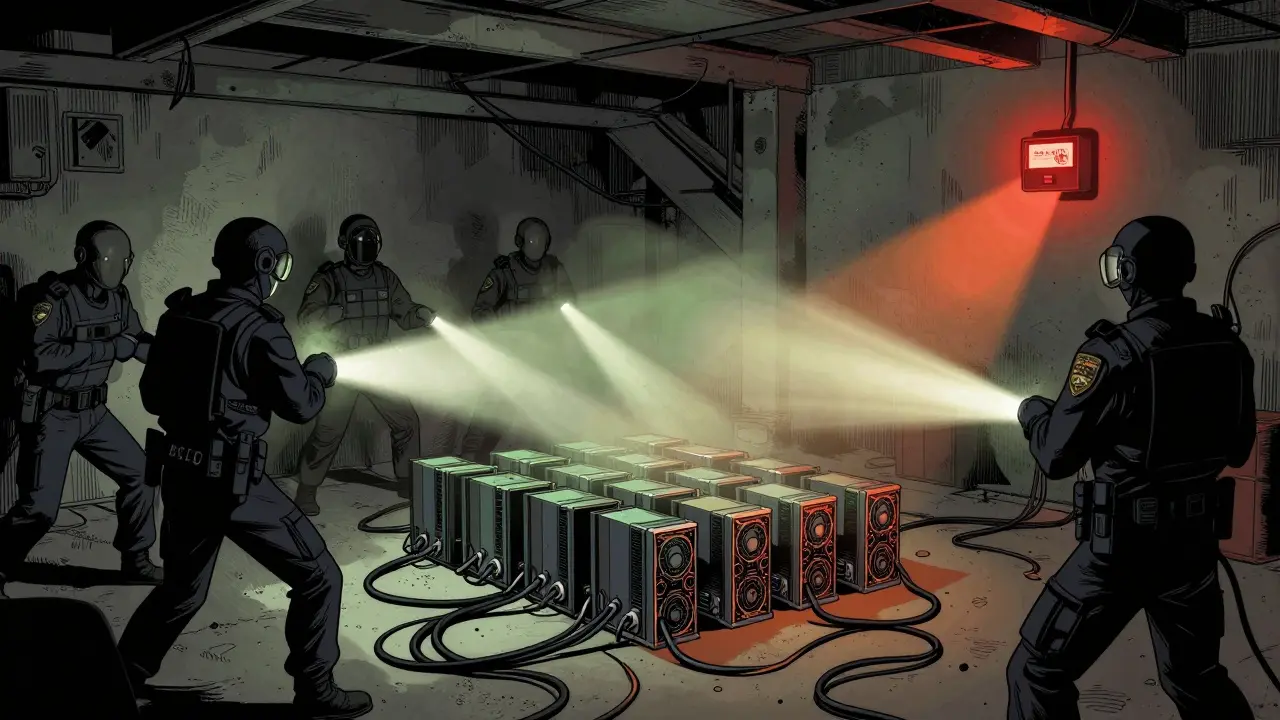
Kosovo Crypto Mining Ban: What It Means for Miners and the Region
When Kosovo crypto mining ban, a 2023 government decision to halt all cryptocurrency mining operations to prevent nationwide blackouts went into effect, it wasn’t just about stopping Bitcoin rigs—it was about saving electricity for homes, hospitals, and schools. Kosovo, a small Balkan country with limited power generation, saw its grid pushed to the edge by massive, unregulated mining farms running 24/7. The government didn’t target crypto because it was risky—it targeted it because it was draining the grid. This ban is one of the most direct examples of a nation choosing basic infrastructure over speculative tech.
Related to this are crypto mining regulation, government rules that control where, how, and how much cryptocurrency mining can occur, and blockchain energy policy, how nations balance the environmental and electrical costs of decentralized networks. Countries like Kazakhstan and Russia have allowed mining with loose oversight, while others like China moved to ban it entirely. Kosovo’s move was different: it wasn’t ideological. It was practical. The country imports over 80% of its electricity, and mining operations were using up to 20% of total supply during peak hours. That’s not a niche tech trend—that’s a public emergency.
What’s often missed is how this affects real people. Miners in Kosovo weren’t just tech enthusiasts—they were small business owners using cheap, off-peak power to run rigs. When the ban hit, many lost everything overnight. At the same time, households saw fewer blackouts, and businesses got more reliable service. This isn’t a story about crypto being good or bad—it’s about resource limits. When a country can’t produce enough power, it has to choose who gets it. In Kosovo, the choice was clear: people over proof-of-work.
And the ripple effects? Other countries with weak grids are watching closely. If mining continues to grow, places like Nigeria, Lebanon, or even parts of the U.S. could face similar pressure. The Balkan crypto policy, regional approaches to digital assets shaped by economic vulnerability and energy constraints is evolving fast. Kosovo’s ban isn’t an outlier—it’s a warning.
Below, you’ll find real-world case studies, regulatory comparisons, and deep dives into how energy shortages shape crypto adoption. No fluff. No hype. Just facts from the front lines of the energy-crypto conflict.
Kosovo banned crypto mining in 2022 to stop energy blackouts. By 2025, mining is allowed only with private power sources. Here's how the ban changed the country and what it means for miners today.