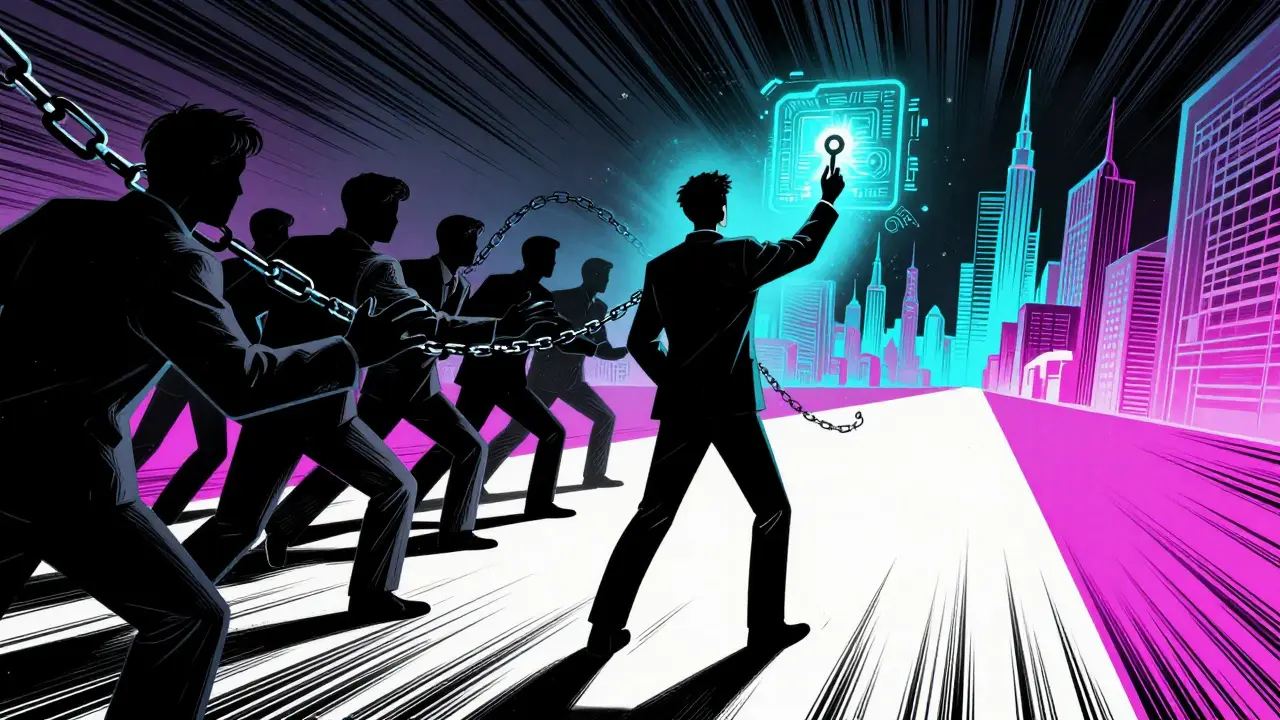
Imagine posting a viral video or sharing an original piece of art, only to have the platform delete it without warning-or worse, sell the rights to your work while you get nothing. For years, this has been the hidden cost of using traditional social media. You create the value; they keep the keys. But what if the rules changed? What if your digital presence belonged to you, not a corporation?
This is the promise of Web3 social media, a new breed of online networking built on blockchain technology that gives users true ownership of their content and data. It’s not just a buzzword. It’s a structural shift from renting space on someone else’s server to owning your digital footprint outright. In this guide, we’ll break down how this works, why it matters for creators, and what hurdles remain before it becomes mainstream.
The Problem with Traditional Social Media
To understand why Web3 is gaining traction, you first need to look at what’s broken in the current system. Platforms like Facebook, Instagram, and X (formerly Twitter) operate on a centralized model. When you sign up, you agree to terms of service that often grant the platform broad licenses to use your content. They control who sees your posts through opaque algorithms. They can ban you overnight. And when advertisers pay billions for access to your attention, the cut you receive is usually negligible.
Think about it: you are the product. Your data-likes, follows, location history-is harvested, packaged, and sold. You don’t own your audience. If you leave the platform, you lose everything. Your followers go with the site, not with you. This dependency creates a fragile ecosystem where creators are constantly anxious about policy changes, demonetization, or shadow-banning.
How Web3 Changes the Game
Web3 is the third generation of internet services characterized by decentralization, user ownership, and token-based economies. Unlike Web2, which relies on central servers controlled by tech giants, Web3 uses distributed networks. No single company holds the master switch. Instead, data is spread across thousands of computers worldwide, secured by cryptography.
In the context of social media, this means three major shifts:
- Ownership: Your profile, posts, and connections are stored on a blockchain, making them portable and permanent.
- Governance: Users can vote on platform rules rather than having them dictated by a CEO.
- Economics: Creators earn directly from their audience through tokens and royalties, bypassing middlemen.
It’s like moving from renting an apartment to buying a house. You maintain it, you decide who visits, and you benefit when its value increases.
The Role of NFTs in Content Ownership
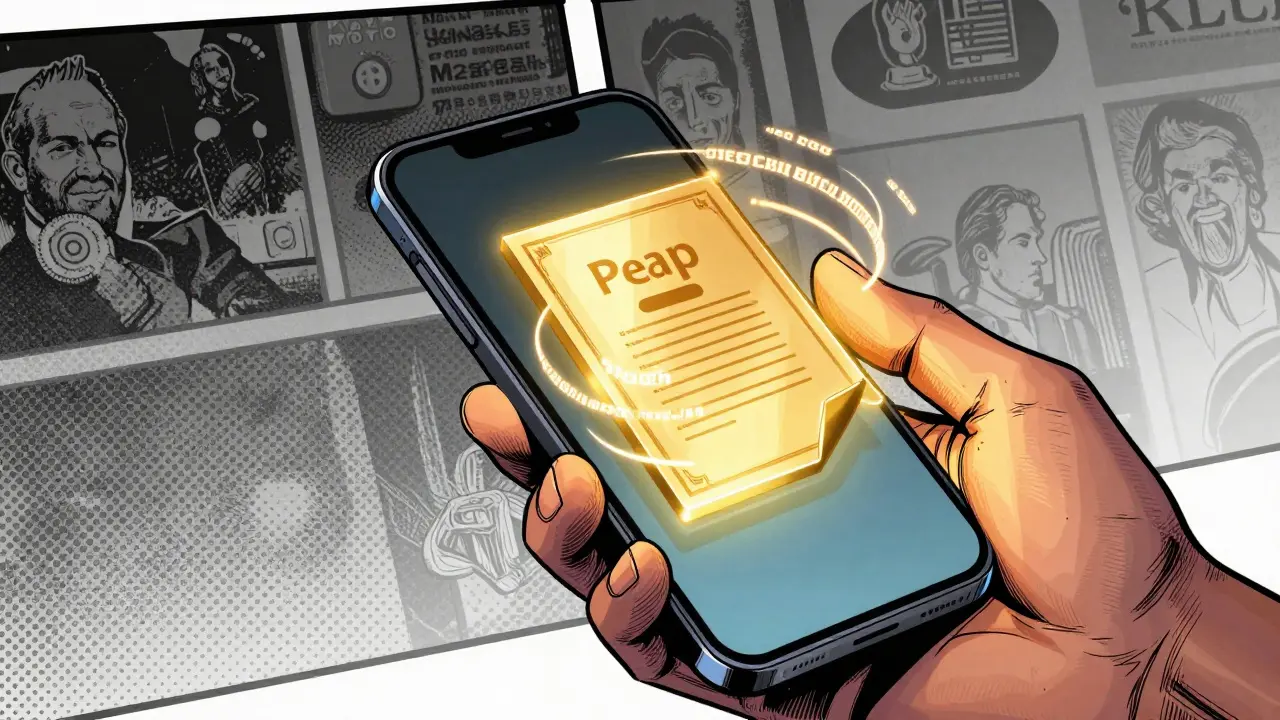
You might wonder: how do you actually "own" a tweet or a photo in the digital world? The answer lies in Non-Fungible Tokens (NFTs), which are unique digital certificates of ownership recorded on a blockchain ledger. An NFT doesn’t necessarily mean the image itself is stored on the blockchain (that would be too expensive). Instead, the NFT acts as a deed to the property. It proves that you created it, you own it, and it hasn’t been copied or altered.
Here’s how it works in practice:
- Minting: You upload your content to a Web3 social platform. The platform generates an NFT representing that post.
- Verification: The transaction is recorded on the blockchain, creating an immutable timestamp and proof of authorship.
- Transfer: If you sell or gift the post, the ownership record updates instantly. Everyone can see the history.
This prevents plagiarism. If someone tries to claim your work as theirs, the blockchain shows otherwise. It also enables scarcity. Limited-edition digital content can hold value, much like signed physical prints.
Smart Contracts: Automating Rights and Royalties
Ownership is powerful, but automation makes it profitable. Enter Smart contracts, which are self-executing agreements with the terms directly written into code on the blockchain. These programs run automatically when certain conditions are met, removing the need for lawyers or intermediaries to enforce deals.
In Web3 social media, smart contracts handle:
- Royalties: Every time your content is resold or licensed, a percentage goes straight to your wallet. No chasing payments.
- Licensing: You can set specific rules. For example, "Anyone can share this image if they tag me," or "Only paid subscribers can view this thread."
- Revenue Sharing: Collaborative projects can split earnings automatically among all contributors based on pre-agreed ratios.
This transparency builds trust. You know exactly how much you’re earning and why. There are no hidden fees or delayed payouts from corporate accounting departments.
Decentralized Identity: Your Passport to the Internet
One of the biggest frustrations with Web2 is starting over. If you switch platforms, you rebuild your network from scratch. Web3 solves this with Decentralized Identifiers (DIDs), which are user-controlled digital identities that exist independently of any single platform.
Instead of logging in with email and password, you connect via a cryptocurrency wallet. This wallet serves as your universal ID. Your reputation, follower count, and content history travel with you. If you dislike one Web3 app, you can move to another and bring your entire social graph along. This portability reduces lock-in effects and empowers users to choose platforms based on quality, not necessity.
Comparison: Web2 vs. Web3 Social Media
| Feature | Web2 (Traditional) | Web3 (Decentralized) |
|---|---|---|
| Data Ownership | Platform owns user data | User owns data via blockchain |
| Monetization | Ads, limited creator funds | Direct sales, tokens, royalties |
| Censorship | Centralized moderation, arbitrary bans | Censorship-resistant, community-governed |
| Portability | Locked into platform | Fully portable identity and assets |
| Privacy | Extensive tracking and profiling | Zero-knowledge proofs, minimal data exposure |
Challenges Facing Adoption
Despite the benefits, Web3 social media isn’t perfect yet. Several barriers prevent mass adoption:
- Complexity: Managing wallets, seed phrases, and gas fees is intimidating for non-technical users. Most people want simplicity, not a lesson in cryptography.
- Scalability: Blockchains can be slow and expensive during peak times. High transaction costs eat into profits for small creators.
- Regulatory Uncertainty: Governments are still figuring out how to classify digital assets. Tax laws vary widely, creating compliance risks.
- Network Effects: Social media thrives on popularity. Web3 platforms currently have smaller user bases, meaning less reach for early adopters.
However, solutions are emerging. Layer-2 scaling technologies reduce fees. User-friendly wallets abstract away technical details. Regulatory frameworks are slowly clarifying. The gap is closing.
Who Benefits Most?
Not everyone needs Web3 social media right now. Casual scrollers may prefer the ease of Instagram. But certain groups stand to gain significantly:
- Digital Artists: Those selling limited editions or collectibles benefit from provenance tracking and secondary market royalties.
- Journalists and Writers: Independent reporters can monetize subscriptions directly without platform cuts.
- Community Leaders: Influencers building niche audiences can govern their spaces democratically via tokens.
- Privacy Advocates: Individuals concerned about data harvesting find safety in decentralized storage.
Getting Started with Web3 Social Media
If you’re curious, here’s how to begin:
- Choose a Wallet: Download a reputable crypto wallet like MetaMask or Phantom. Secure your seed phrase offline.
- Select a Platform: Try apps like Lens Protocol, Farcaster, or Bluesky. Each has different features and communities.
- Create Content: Post normally. Mint important pieces as NFTs to secure ownership.
- Engage: Follow others, comment, and build relationships. Remember, your connections belong to you.
- Stay Educated: Follow blockchain news to understand evolving standards and security best practices.
The Future of Digital Ownership
We’re witnessing a transition similar to the early days of the internet. Initially clunky and niche, it eventually became indispensable. Web3 social media aims to return power to users. While challenges remain, the direction is clear: ownership, transparency, and fairness will define the next era of online interaction.
For creators tired of being treated as free labor, this shift offers real hope. You won’t just make content. You’ll own it. And that changes everything.
What is Web3 social media?
Web3 social media refers to decentralized online platforms built on blockchain technology. Unlike traditional sites, these networks give users ownership of their data, content, and digital identity through cryptographic tools like NFTs and smart contracts.
How do I prove I own my content on Web3?
Ownership is verified via Non-Fungible Tokens (NFTs). When you post content, an NFT is minted on the blockchain, creating an immutable record linking your digital wallet to that specific piece of media. Anyone can check the ledger to confirm authenticity.
Can I move my followers from Web2 to Web3?
Not directly. Web2 and Web3 systems are separate. However, once you build an audience on Web3, your followers are tied to your decentralized identity, allowing you to take them with you if you switch between different Web3 apps.
Are there costs associated with using Web3 social media?
Yes. Transactions on blockchains require "gas fees" paid in cryptocurrency. These vary by network congestion. Some platforms subsidize fees for basic actions, but minting NFTs or trading assets typically incurs costs.
Is Web3 social media safe from censorship?
Mostly yes. Because data is distributed across many nodes, no single entity can easily delete content. However, individual apps may implement community guidelines, and illegal content can still be reported and blocked at the application layer.