NFT Product Authenticity: How to Spot Real NFTs and Avoid Fake Ones
When you buy an NFT product authenticity, the process of confirming that a digital asset is genuine, created by its claimed owner, and recorded on an immutable blockchain ledger. Also known as NFT verification, it’s what separates a real piece of digital art from a copied screenshot sold as the original. Too many people lose money because they assume an NFT is real just because it has a fancy image or a popular name. But without checking the blockchain, you’re just gambling.
Real NFTs are tied to a unique digital fingerprint stored on a blockchain—like Ethereum or Solana. That fingerprint can’t be changed or duplicated. If someone claims to sell you a Bored Ape NFT, you can trace its full history: who minted it, who owned it before, and whether it’s listed on a verified marketplace like OpenSea or Blur. Tools like blockchain provenance, the complete, tamper-proof record of an NFT’s origin and ownership history on a public ledger make this possible. If the NFT’s history is missing, broken, or starts with a random wallet, it’s likely fake.
Scammers use tricks like cloning popular collections, creating fake websites that look real, or pretending to be the original artist. They’ll even copy the metadata and put it on a different blockchain. That’s why checking the contract address matters more than the image. A real NFT from the CryptoPunks collection has a specific contract address—any other address is a copy. And don’t trust social media links. Always go directly to the official marketplace. NFT scams, fraudulent schemes designed to trick buyers into purchasing counterfeit or non-existent digital assets are growing fast, especially around new launches or hype-driven drops.
Smart contracts can help too. Some creators embed verification codes or unlockable content only available to the true owner. If the NFT promises access to a Discord server, a physical item, or future drops, and those perks don’t work, the NFT isn’t legitimate. You can’t fake utility. Look for projects that show their team, have active community engagement, and update their roadmap. If the team is anonymous and the Discord is full of bots, walk away.
There’s no magic tool that catches every fake, but you can build a habit: always check the contract, verify the marketplace, and confirm the creator’s official channels. Real NFTs don’t need hype to prove their worth—they’re backed by transparent, unchangeable records. Fake ones rely on you not looking too closely.
Below, you’ll find real-world breakdowns of NFT projects that got it right—and those that didn’t. Some posts expose scams that stole thousands. Others show how to use blockchain tools to verify ownership yourself. Whether you’re buying your first NFT or trying to protect your collection, this guide gives you the facts you need to avoid losing money.
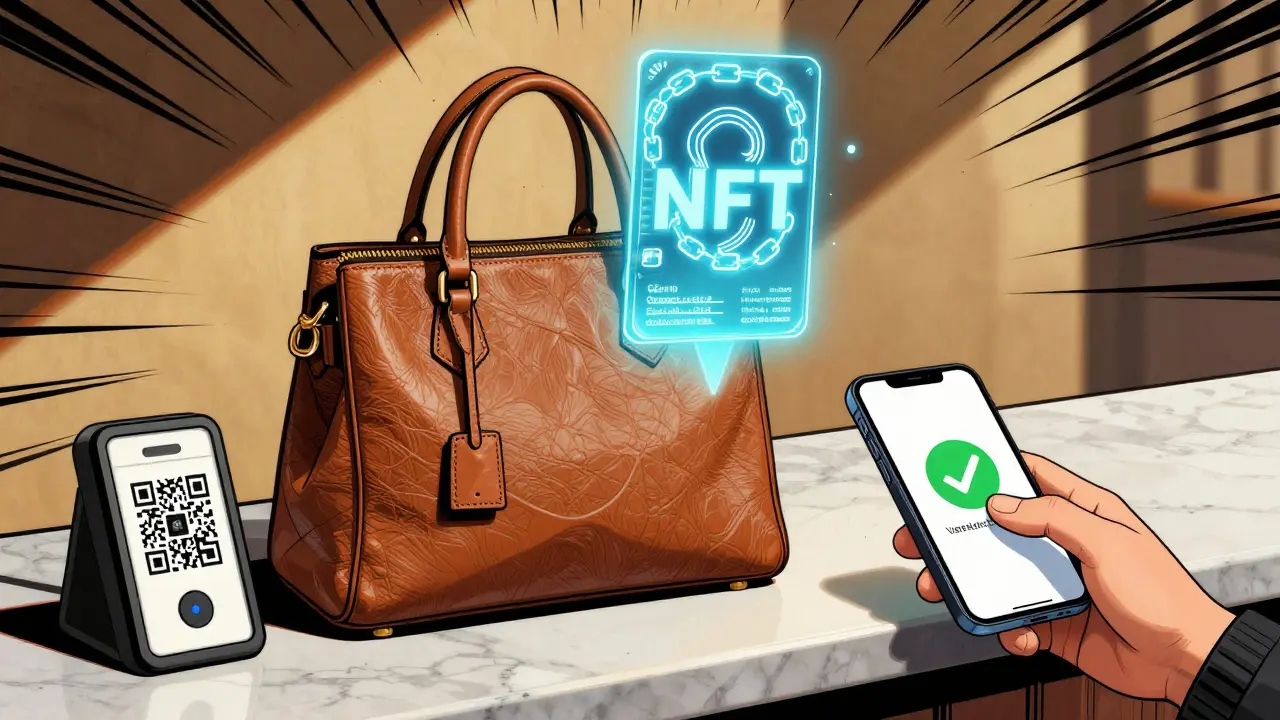
NFTs are transforming how we prove a product is real. By linking physical items to unchangeable digital certificates on the blockchain, they stop counterfeits, track origins, and build consumer trust like never before.