Digital Product Passport: What It Is and How Blockchain Is Changing Product Tracking
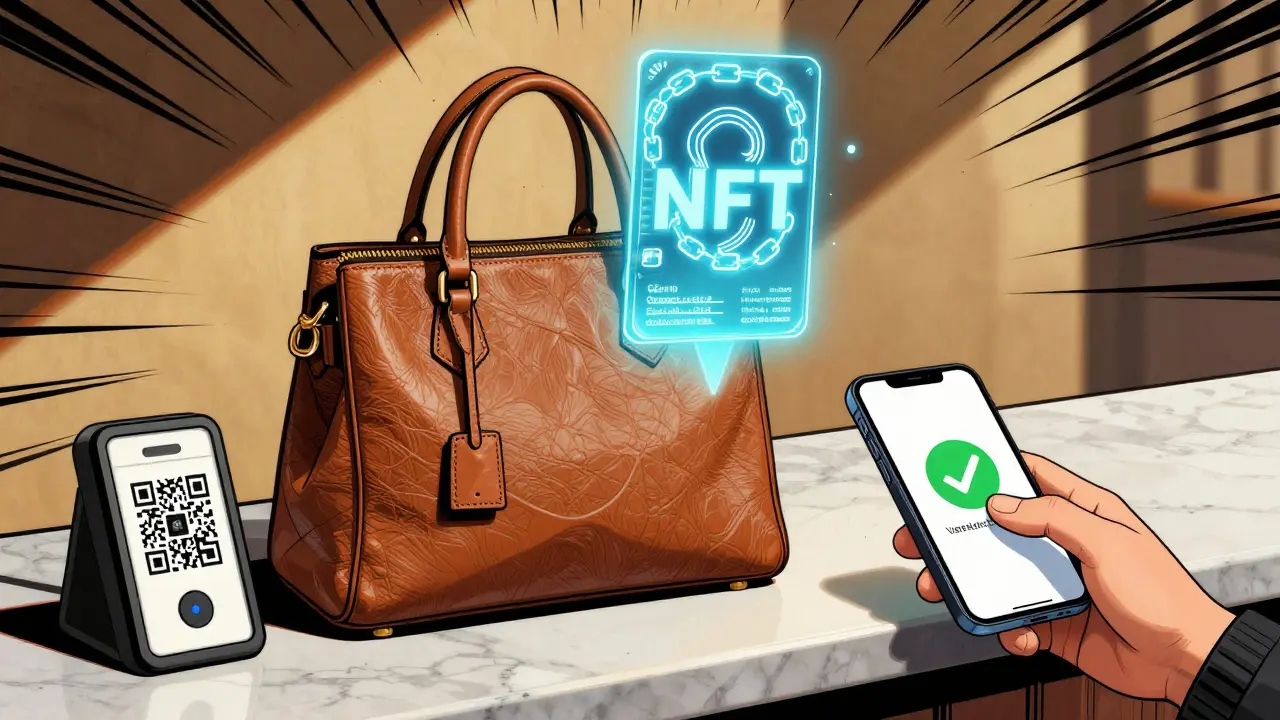
When you buy a pair of sneakers, a handbag, or even a laptop, you’re not just buying a product—you’re buying a story. That story includes where it was made, who made it, what materials were used, and how it was shipped. A digital product passport, a tamper-proof digital record tied to a physical item using blockchain. Also known as product digital twin, it stores every step of a product’s life in a way that can’t be faked or erased. This isn’t science fiction. The EU is already requiring them for electronics and textiles by 2026. Brands like LVMH and Adidas are testing them now. And it’s not just about stopping fake goods—it’s about proving sustainability claims, enabling repairs, and letting you resell with proof of origin.
Behind every digital product passport are three key pieces: blockchain product tracking, a secure, decentralized ledger that logs every change to the product’s record, product authenticity, the ability to verify a product is genuine using cryptographic keys tied to its unique ID, and supply chain transparency, the open visibility of each supplier, factory, and transporter involved. These aren’t separate tools—they work together. A passport uses blockchain to lock in data from suppliers, checks authenticity with QR codes or NFC chips, and gives regulators or consumers real-time access to the full history. No more guessing if your coffee is fair trade or your jacket is made from recycled plastic. The data is there, verifiable, and permanent.
Some people think this is just for high-end fashion or luxury goods. But it’s spreading fast. Electronics companies use it to track rare minerals and ensure ethical sourcing. Pharmaceutical firms use it to prevent counterfeit drugs from entering the supply chain. Even food brands are starting to use it to show where your tomatoes came from and how they were grown. The technology is simple: each product gets a unique digital ID, linked to a blockchain record that updates as it moves from factory to store to your home. Once it’s there, you can scan it with your phone and see everything—no middleman, no paperwork, no lies.
What you’ll find in the posts below are real examples of how this is already happening. From patent management on blockchain to how exchanges secure assets with HSMs, the same principles of trust, verification, and transparency show up everywhere. You’ll see how tokenization turns physical objects into digital assets, how smart contracts automate compliance, and why regulators are pushing for this change—not because they want to control you, but because the old system is broken. This isn’t about crypto hype. It’s about fixing how the world tracks stuff. And if you care about what you buy, where it comes from, or whether it’s real—you need to understand this.
NFTs are transforming how we prove a product is real. By linking physical items to unchangeable digital certificates on the blockchain, they stop counterfeits, track origins, and build consumer trust like never before.