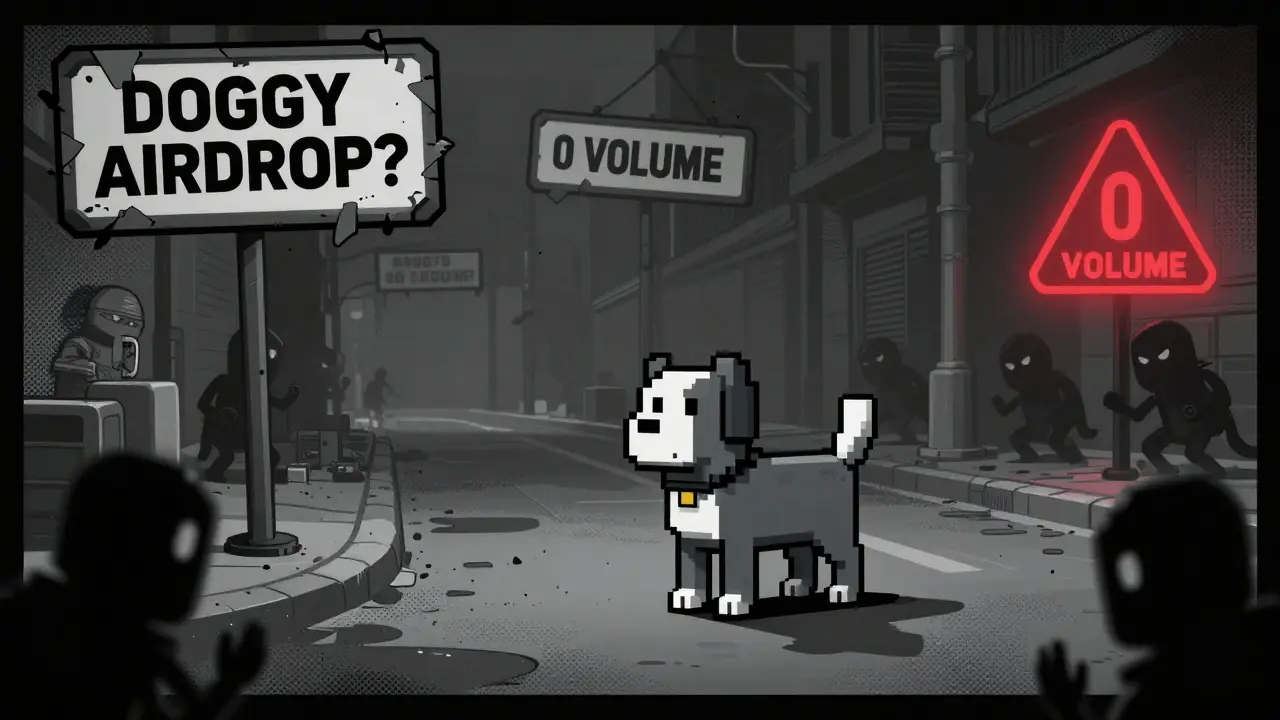
DOGGY Airdrop: How to Claim Free Tokens and What You Need to Know
When you hear DOGGY airdrop, a free token distribution event tied to a blockchain-based project, often targeting early adopters or community members. Also known as free crypto giveaway, it’s not a lottery—it’s a way for projects to spread awareness and reward users who engage with their ecosystem. Unlike paid token sales, airdrops don’t ask for money upfront. But they do ask for your attention, time, and sometimes your wallet address. And not all airdrops are legit.
The crypto airdrop, a distribution method used by blockchain projects to give away tokens without a sale. Also known as token giveaway, it’s become a common tactic for new projects to build hype and user bases. Projects like Bit Hotel and WagyuSwap have used them successfully in the past. But many others vanish after collecting email addresses or wallet data. The DOGGY token, a cryptocurrency tied to a specific project, often meme-based or community-driven, distributed through airdrops or exchanges you’re hearing about might be real—or it might be a trap. Always check if the project has a live website, active social media, and a clear roadmap. If all you see is a Twitter post and a Discord link with no code or team info, tread carefully.
Most airdrops require simple actions: follow a Twitter account, join a Telegram group, connect your wallet, or hold a certain token. Some ask for more—like completing a quiz or referring friends. The blockchain airdrop, a token distribution event recorded on a public ledger, ensuring transparency and verifiable claims you’re signing up for should leave a trace on the chain. If you can’t find any past claims or transaction records, it’s a red flag. The DOGGY airdrop might sound exciting, but its value depends entirely on what happens after the tokens drop. Will it be listed on a real exchange? Will it have utility? Or will it just sit in your wallet, worth nothing?
You’ll find posts here that break down how real airdrops work—what steps to take, what to avoid, and which ones actually paid off for people. Some are about projects that blew up, others are warnings about scams that vanished overnight. You’ll see how people claimed BTH tokens from Bit Hotel, how WAG tokens from WagyuSwap crashed after the drop, and why PKR’s lack of official details makes it risky. The same rules apply to DOGGY. If it’s too good to be true, it probably is. But if it’s real and you’re prepared, you might just get something for nothing.
There is no DOGGY airdrop - it's a dead NFT project often confused with DOGS, the real dog-themed crypto airdrop. Learn the difference, avoid scams, and find real opportunities in 2025.